
How Do You Clean Up an Overgrown Yard in Albuquerque?
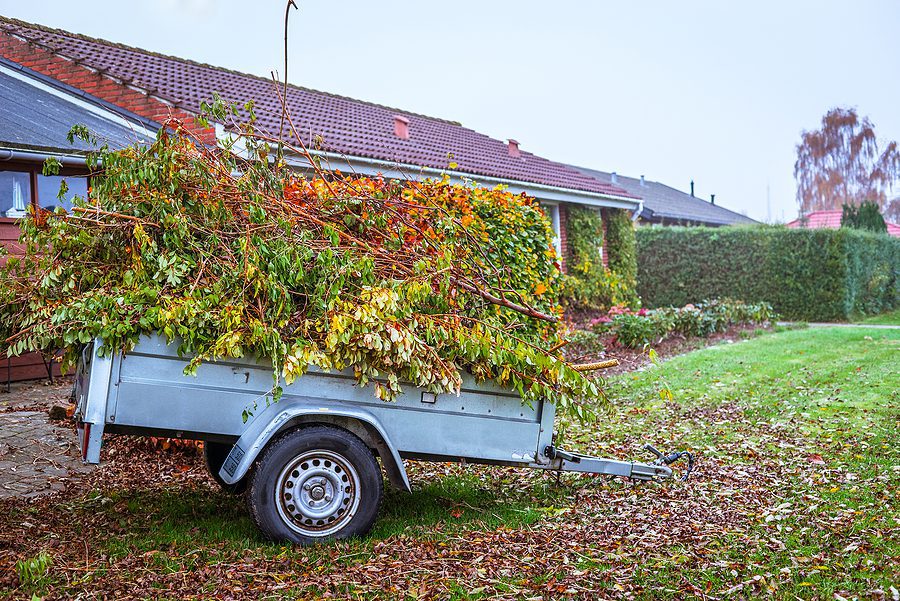
Cleaning up an overgrown yard in Albuquerque starts with inspecting the property, identifying plants worth keeping, and removing hazards before cutting back vegetation. Once you have safe access, clear loose debris, remove weeds and brush in manageable sections, prune established plants selectively, and arrange for proper disposal. Finish by checking the irrigation system and establishing a maintenance routine.
That order matters. A neglected yard may look like one big cleanup project, but cutting everything down at once can damage valuable plants, buried drip irrigation lines, and landscape features hidden beneath the overgrowth.
Albuquerque yards also present challenges that aren’t always covered in general yard cleanup advice. Decorative gravel can hide irrigation tubing, spring winds deposit debris in planting beds, and summer monsoon rains can trigger substantial weed growth.
The goal isn’t simply to make the yard look cleaner. It’s to restore a landscape that is safe, manageable, and easier to maintain without destroying features that are still useful.
Where Do You Start with an Overgrown Albuquerque Yard?
Before reaching for a shovel, rake, or weed trimmer, walk the property and assess its condition.
Look beyond the obvious weeds and overgrown shrubs. A neglected yard may contain fallen branches, broken irrigation equipment, loose landscape edging, sharp debris, or uneven ground concealed by vegetation.
Pay particular attention to areas along walls, behind sheds, near utility equipment, and around mature trees.
Identify Hazards Before Beginning
Not every part of an overgrown yard is safe to clear without professional assistance.
Watch for:
- Broken glass, exposed metal, nails, and other sharp objects.
- Fallen limbs or damaged trees that could shift unexpectedly.
- Electrical equipment or vegetation contacting overhead power lines.
- Holes, unstable retaining walls, or steep ground hidden by weeds.
- Unidentified containers, chemicals, needles, or suspicious discarded materials.
- Wildlife or nests concealed within dense vegetation.
Do not disturb suspicious materials or attempt to clear vegetation near energized electrical lines. Contact an appropriate qualified professional when the work presents risks beyond ordinary yard maintenance.
Albuquerque’s dry climate also makes heat exposure an important consideration. Plan physically demanding work for cooler periods, drink water regularly, and take breaks in shade.
The OSHA guidance on heat exposure provides additional information about recognizing and preventing heat-related illness.
Decide Which Plants Should Stay
One of the biggest mistakes in restoring an overgrown yard is assuming everything growing there should be removed.
Established shade trees, native plants, drought-tolerant shrubs, and mature ornamental plants may be valuable parts of the landscape.
A shrub that looks untidy might only need selective pruning. A desirable plant surrounded by weeds may appear to be part of the overgrowth until the surrounding vegetation is removed.
Identify plants before cutting them back. If a plant cannot be confidently identified, leave it in place until its condition and value can be assessed.
Use temporary markers to identify vegetation that should remain.
This simple step can prevent unnecessary replacement costs and preserve years of established growth.
What Is the Safest Order for Clearing an Overgrown Yard?
A practical approach is to divide the project into three passes.
The first pass identifies what should stay and opens safe access. The second removes unwanted growth. The third finishes the cleanup, checks for damage, and prepares the property for ongoing care.
Within those passes, the following five steps provide a useful working sequence.
Step 1: Remove Loose Trash and Open Walking Paths
Start with visible litter, fallen leaves, small branches, and loose debris.
Clear a safe route from the entrance to the main work areas. This makes it easier to move tools and collected materials without stepping through dense vegetation.
Avoid dragging large branches across gravel beds or established plants. Doing so can displace decorative rock, damage shrubs, or pull irrigation tubing out of place.
If the yard contains substantial debris, designate a staging area where materials can be collected before loading.
Step 2: Separate Debris Before Cutting More Vegetation
Sorting debris early can make the entire project easier.
Keep clean plant material separate from ordinary trash and materials that may require special disposal.
Branches, leaves, and weeds may be handled differently from broken furniture, construction debris, soil, and gravel.
Combining everything into one large pile can complicate loading and disposal later.
For more information about why debris removal matters, see How Does Yard Cleanup Removing Leaves, Branches, and Debris Protect My Property?.
Step 3: Remove Weeds and Unwanted Brush
Once the work areas are accessible, begin removing unwanted vegetation.
Work in small sections rather than attempting to clear the entire yard at once.
In planting beds, remove weeds carefully around established plants. In gravel areas, check for irrigation lines and emitters before using cutting tools.
For larger weeds, removing the root system when practical can help reduce regrowth. However, deeply rooted vegetation may require a different approach depending on the species and nearby plants.
Cutting weeds at ground level may provide quick visual improvement, but some species can regrow from remaining roots or crowns.
Avoid indiscriminate use of herbicides. Products differ in where and how they may be applied, and some can damage desirable plants. Any pesticide use should follow the product label and applicable requirements.
Step 4: Prune Established Shrubs and Small Trees Selectively
After weeds and brush are removed, it becomes easier to evaluate established vegetation.
Look for dead, broken, damaged, or crossing branches. Determine whether a shrub needs minor shaping, selective thinning, or more substantial professional attention.
Avoid cutting every shrub back to the same height simply to make the yard look uniform.
Some shrubs tolerate substantial pruning, while others may respond poorly, especially when already stressed by drought or heat.
Pruning should account for the plant species, condition, growth pattern, and season.
Large limbs, unstable trees, and work near power lines should be handled by appropriately qualified professionals.
Step 5: Remove Debris and Inspect the Finished Areas
After clearing and pruning, collect remaining vegetation and debris.
Check corners, gravel beds, fence lines, and areas around irrigation valves where material may have accumulated.
Once the ground is visible, inspect the property for damaged irrigation tubing, exposed emitters, uneven gravel, and other issues that were hidden by the overgrowth.
The cleanup is not truly complete until the yard is accessible, collected material has been handled appropriately, and remaining landscape features can be maintained.
How Do You Clean Up Overgrown Gravel and Xeriscape Areas?
Gravel and xeriscape yards require a different approach from traditional lawns.
Many Albuquerque properties have decorative rock, drought-tolerant shrubs, drip irrigation, and limited turf. These landscapes can be water-efficient, but weeds and debris still accumulate.
A string trimmer may quickly cut down visible weeds, yet it can also damage exposed drip tubing, strip bark from young trees, or scatter gravel.
The safest method depends on what’s growing beneath and between the rocks.
Protect Drip Irrigation Before Removing Weeds
Drip irrigation tubing is often partially hidden beneath gravel, mulch, or vegetation.
Before using cutting equipment, locate visible emitters, tubing, risers, and irrigation valves.
Where possible, trace the irrigation layout through the area being cleared.
Hand removal may be the better choice near delicate irrigation components and desirable plants.
If digging or deeper excavation is necessary, identify underground utilities first. New Mexico 811 provides information about requesting utility locates before excavation. A utility locate does not necessarily identify private irrigation lines, so those must be assessed separately.
After clearing the area, operate the irrigation system and inspect for leaks, disconnected tubing, and blocked emitters.
Remove Weeds Without Removing the Gravel
Decorative gravel can become mixed with weeds, roots, and organic debris.
Pulling vegetation carefully helps preserve the rock surface. When weeds have extensive roots, a hand tool may be needed to loosen the soil.
Avoid aggressively raking gravel into planting beds or piling it against shrub trunks.
Landscape fabric, where present, may already be damaged or buried beneath accumulated soil and debris. Installing another layer over existing weeds without addressing the underlying conditions is unlikely to provide a lasting solution.
A useful distinction is whether the weeds are isolated or widespread.
A gravel bed with scattered annual weeds may be manageable through careful hand removal. A bed covered with established vegetation may need more extensive clearing and follow-up treatment.
Why Albuquerque Weeds Return After Cleanup
Albuquerque’s spring winds can deposit seeds and organic material in gravel beds. Summer monsoon rainfall may then provide enough moisture for new weeds to establish.
Leaking irrigation lines can also create consistently damp spots where unwanted vegetation grows.
Removing visible weeds addresses the current problem, but lasting control requires attention to seed production, irrigation leaks, and recurring growth.
The article Can Yard Cleanup Help Prevent Weeds, Pests, and Plant Diseases? explores how routine cleanup supports broader landscape care.
What Should You Do with Branches, Weeds, and Yard Waste?
A major cleanup can produce considerably more debris than expected.
Dry weeds may compress easily into bags, while branches and woody brush occupy much more space. Thorny vegetation also requires careful handling during loading.
Planning disposal before beginning the heaviest clearing helps prevent the yard from becoming filled with piles that must be moved repeatedly.
Separate Materials by Disposal Type
| Material | Recommended handling |
| Leaves and clean plant debris | Collect separately and determine an approved disposal or composting option |
| Branches and woody brush | Cut into manageable sections where safe; stack for loading |
| Weeds with mature seed heads | Contain to limit seed dispersal; check appropriate disposal options |
| Soil and decorative gravel | Keep separate from green waste whenever possible |
| Household trash and construction debris | Sort according to applicable waste acceptance requirements |
| Unknown chemicals, sharps, or suspicious materials | Stop handling and obtain appropriate disposal guidance |
Do not assume that all yard debris can be placed at the curb or mixed with regular household trash.
The City of Albuquerque Solid Waste Management Department provides information about local collection services and disposal options. Check current rules, material restrictions, and applicable fees before transporting a load or scheduling collection.
Homeowners outside Albuquerque city limits should consult their own local waste provider.
Open burning is not an appropriate default method for clearing vegetation. Fire restrictions, air-quality rules, and local requirements may apply.
When Should You Hire a Professional for Overgrown Yard Cleanup?
Not every overgrown yard requires professional service.
A homeowner may be able to remove scattered weeds, collect leaves, and trim small, reachable branches using ordinary hand tools.
However, some properties require more labor, equipment, hauling capacity, or specialized knowledge than a typical DIY cleanup.
The important distinction is not simply how bad the yard looks. It is whether the work can be completed safely without damaging the property.
DIY or Professional Cleanup: How to Decide
| Yard condition or task | DIY may be reasonable | Seek professional help when |
| Scattered weeds and leaves | Ground is accessible and hazards are absent | Vegetation is extensive or difficult to remove |
| Gravel-bed weeds | Irrigation lines are visible and hand removal is practical | Dense growth hides tubing or desirable plants |
| Small shrub trimming | Plant is identifiable and branches are safely reachable | Plant health is uncertain or extensive pruning is needed |
| Fallen branches | Branches are small, stable, and easy to handle | Limbs are large, suspended, unstable, or near utilities |
| Debris removal | Material is manageable and approved disposal is available | Multiple loads, heavy brush, or restricted access complicate hauling |
| Unknown debris or utility hazards | Do not proceed until the hazard is identified | Specialized handling or qualified assessment is required |
A neglected backyard with thorny brush, fallen limbs, and a narrow access gate is a very different project from a gravel front yard with seasonal weeds.
The backyard may require additional cutting, careful handling, and substantial debris hauling. The front yard may primarily need hand weeding and irrigation protection.
Property conditions should determine the cleanup method.
Homeowners weighing the benefits of outside assistance can read Why Is Professional Yard Cleanup Important for Maintaining a Healthy Landscape?.
What Should a Professional Cleanup Estimate Include?
Before approving work, ask the contractor to identify which areas will be cleared, what vegetation will remain, and whether trimming, debris loading, hauling, and disposal are included.
Also clarify whether irrigation repairs, large-tree work, or landscape restoration would be separate services.
A written scope helps prevent misunderstandings about what a completed cleanup should look like.
How Do You Keep an Albuquerque Yard from Becoming Overgrown Again?
Once the yard is cleared, ongoing maintenance becomes much easier.
The best strategy is to address the conditions that allowed the overgrowth to develop.
For some properties, that means removing young weeds before they produce seeds. Others may need regular shrub trimming, irrigation repairs, or periodic debris collection.
Establish a Simple Maintenance Schedule
Rather than waiting for another major cleanup, inspect the landscape throughout the growing season.
After strong spring winds, check corners, fence lines, and gravel beds for accumulated debris.
Following summer monsoon storms, look for new weed growth and fallen branches.
In cooler months, assess plants for seasonal maintenance needs, taking care not to prune species at an unsuitable time.
For a more detailed seasonal approach, see The Ultimate Albuquerque Spring Yard Cleanup Action Plan.
Check Irrigation and Drainage Problems
A newly cleared yard provides an opportunity to see areas that were previously hidden.
Look for irrigation leaks, broken emitters, pooling water, and unusual patches of vegetation that may indicate excess moisture.
Repairing these problems can reduce unnecessary water use and help prevent weeds from thriving in persistently wet areas.
Albuquerque properties may contain compacted soils or caliche that affect drainage. Avoid assuming that every wet area is caused by excessive watering without inspecting the irrigation system and surrounding grade.
Keep Desirable Plants Healthy
A yard doesn’t have to be stripped bare to look maintained.
Established trees and shrubs provide shade, visual interest, and structure. Native and drought-tolerant plants can also support a landscape designed for Central New Mexico’s dry conditions.
Routine care should preserve healthy vegetation while preventing weeds and unwanted brush from taking over.
The objective is a landscape that remains attractive and manageable, not one that requires another major restoration every year.
Frequently Asked Questions About Cleaning Up an Overgrown Yard
Can You Clean Up a Severely Overgrown Yard in Stages?
Yes. Cleaning an overgrown yard in stages is often more practical than trying to complete everything in one day. Begin by identifying hazards and opening safe walking paths. Next, remove weeds and unwanted brush from one section at a time. Finish with pruning, debris removal, irrigation inspection, and follow-up maintenance.
Should You Remove Weeds Before Trimming Shrubs?
Generally, removing surrounding weeds first makes it easier to see the shrub’s natural shape and evaluate which branches need attention. However, a small amount of selective trimming may be necessary to create safe access. The order should depend on visibility, safety, and the condition of the plants.
Can You Leave Branches and Yard Debris at the Curb in Albuquerque?
Do not assume that branches and yard waste will be collected simply because they are placed at the curb. Collection options, preparation requirements, and accepted materials depend on the current rules of the applicable waste provider. Check with Albuquerque Solid Waste Management or your local provider before placing debris out for collection.
How Do You Avoid Cutting Drip Irrigation Lines While Removing Weeds?
Locate exposed tubing, emitters, and irrigation valves before clearing vegetation. Use hand tools near irrigation components, and avoid blindly digging or operating string trimmers in areas where tubing may be hidden. After cleanup, run the irrigation system and check for leaks or disconnected emitters.
How Long Does It Take to Clean Up an Overgrown Yard?
The time required depends on the property’s size, vegetation density, accessibility, debris volume, and whether specialized work is needed. A small yard with scattered weeds may be manageable in a short work session, while a heavily neglected property can require multiple stages. An onsite assessment is the best way to establish a realistic scope and schedule.
Should You Remove All the Plants from a Neglected Yard?
No. Healthy trees, established shrubs, and desirable native or drought-tolerant plants may be worth preserving. Identify plants before removal and distinguish unwanted vegetation from plants that simply need pruning or maintenance. Clearing everything can create unnecessary replacement work and eliminate valuable established landscaping.
Restore Your Overgrown Yard with R & S Landscaping
An overgrown Albuquerque yard doesn’t necessarily need to be completely redesigned. In many cases, careful clearing, selective pruning, debris removal, and attention to existing irrigation can make the landscape easier to maintain.
The right cleanup approach begins with understanding what should be removed, what should be preserved, and which tasks require professional assistance.
R & S Landscaping provides yard cleanup, landscape maintenance, trimming, xeriscaping, and related landscaping services for homeowners throughout Albuquerque, Rio Rancho, Corrales, and surrounding Central New Mexico communities.
Whether your property has dense weeds, overgrown shrubs, accumulated debris, or gravel beds that need attention, professional guidance can help determine an appropriate cleanup plan.
Call R & S Landscaping at 505-271-8419 or visit rslandscapinginc.com to discuss cleaning up your overgrown yard.