
What Should Be Included in a Landscape Maintenance Plan?
R & S Landscaping | Albuquerque, New Mexico
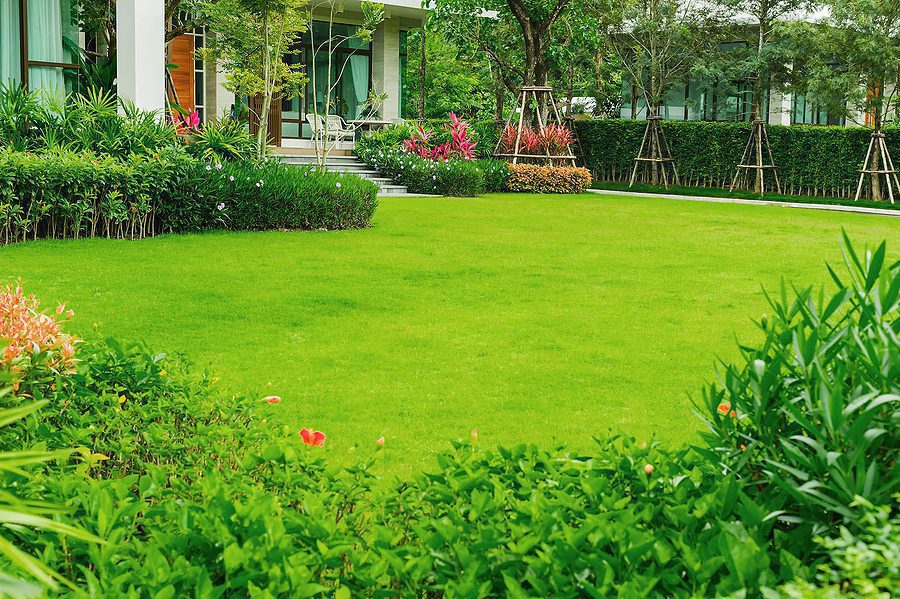
A useful landscape maintenance plan should do more than list mowing, trimming, weeding, and cleanup. It should identify which parts of the property are covered, which recurring and seasonal tasks are included, how often each task is expected or triggered, who is responsible for irrigation observation and repair, what work requires separate approval, and when the plan should be reviewed.
For an Albuquerque home, the plan should also be flexible enough to change with the high-desert seasons. Spring wind, summer heat, monsoon storms, fall debris, winter freezes, turf growth, xeriscape plantings, mature trees, and irrigation demands do not create the same workload every month.
The goal is not to build the longest possible checklist. It is to create a clear agreement that matches the actual property and makes it easy for the homeowner and landscape company to understand what happens routinely, what happens seasonally, and what falls outside the recurring scope.
Start With the Property, Not a Generic Checklist
Before deciding what work belongs in a maintenance plan, inventory the landscape itself. A plan for a compact gravel-and-drip xeriscape should not look like a plan for a lawn-heavy yard with hedges and sprinklers. A mature property with trees, planting beds, turf, gravel, patios, walkways, and several irrigation zones adds still more variables.
A useful property inventory can identify:
- Front yard, backyard, side yards, entry areas, and other service zones.
- Lawn areas and the type of routine lawn care expected.
- Trees, shrubs, hedges, ornamental grasses, perennials, and planting beds.
- Gravel, decorative rock, mulch, and other groundcover areas.
- Drip irrigation, sprinkler zones, controllers, valves, and visible irrigation components.
- Patios, walkways, driveways, borders, and other hardscape areas affected by landscape debris.
- Areas with recurring weeds, drainage concerns, windblown debris, heavy leaf drop, or difficult access.
This inventory becomes the map for the plan. It also helps prevent a common misunderstanding: assuming that a task applies to every area simply because the task appears somewhere in the proposal.
The 7 Parts of a Useful Landscape Maintenance Plan
1. Property Inventory and Maintenance Goals
Start by defining what is on the property and what the homeowner wants the maintenance program to accomplish. One homeowner may prioritize a consistently neat entry and lawn. Another may care more about weed control, healthy shrubs, efficient irrigation, and keeping a xeriscape orderly without trying to make it look overly manicured.
Those goals matter because maintenance is partly about condition and partly about expectations. The same landscape can be maintained to different appearance standards without either approach being inherently wrong.
2. Areas and Landscape Features Covered
The plan should identify where service applies. Front and back yards, side yards, planting beds, turf, gravel, trees, shrubs, driveways, patios, and walkways should not be left to assumption.
If an area is excluded, say so. If a detached side yard or alley is serviced only when requested, that should also be clear. Defining the service area makes later task descriptions much more useful.
3. Recurring Maintenance Tasks
Next, define the work that can reasonably recur. Depending on the property and agreement, categories may include lawn mowing and edging, weed control, appropriate shrub trimming, debris removal, bed and gravel cleanup, seasonal cleanup, and observation of visible irrigation problems.
The important word is depending. R & S Landscaping provides landscape maintenance, lawn care, irrigation services, xeriscaping, tree and shrub work, and seasonal cleanup, but that does not mean every service belongs in every customer’s recurring plan.
Homeowners who want a deeper explanation of the service category can review R & S Landscaping’s Albuquerque landscape maintenance service.
4. Task Frequency and Seasonal Adjustments
A plan should say more than how often a crew visits. It should explain which tasks are performed routinely, seasonally, as needed, or only after approval.
For example, mowing may be relevant during active turf growth, while major leaf removal may be concentrated in fall. Weed work may be triggered by conditions. Some pruning is plant- and season-dependent. Irrigation observation can become more important during hot weather even though actual repair remains a separate service.
This is why visit frequency and task frequency are not the same thing. A biweekly or monthly visit does not mean every listed task should be performed every time.
5. Irrigation Observation, Adjustment and Repair Responsibilities
Irrigation deserves its own section because it is easy for expectations to become blurred. A maintenance plan should state whether routine service includes visual observation, controller review, seasonal adjustment, or another defined level of irrigation attention—and what happens when a repair is needed.
The Albuquerque Bernalillo County Water Utility Authority emphasizes that good horticultural practices and irrigation management work together, that thorough maintenance can extend the useful life of a landscape and irrigation system, and that irrigation systems may need modification as landscapes mature. Those are useful planning principles, but they should not be presented as a claim about what R & S Landscaping includes in every maintenance agreement.
When repair or system work is needed, R & S Landscaping’s irrigation services are a separate resource to discuss.
6. Exclusions, Add-Ons and Approval Rules
A strong maintenance plan is clear about what is not automatically included. That protects both sides from treating a recurring maintenance agreement as an unlimited landscaping contract.
Items that may need separate scope or approval can include:
- Major irrigation diagnosis or repair.
- Large or specialized tree work.
- Plant replacement or new planting.
- New gravel, mulch, soil amendments, or other materials.
- Major storm cleanup or removal of unusually heavy debris.
- Landscape renovation, new installation, drainage work, or hardscape repair.
- Specialized fertilizer, pesticide, or treatment programs unless specifically included.
The plan can also explain how additional work is authorized. That is often more useful than simply writing “extra services available,” because the homeowner knows when a new estimate or approval is needed.
7. Review Triggers and Communication
A maintenance plan should be revisited when the property changes. Landscapes are living systems, and the right scope at the beginning may not remain the right scope indefinitely.
Useful review triggers include:
- A new landscape installation or major renovation.
- New turf, trees, shrubs, or planting beds.
- Changes to sprinkler or drip irrigation zones.
- Plants maturing and occupying more space.
- Repeated weeds or irrigation problems between visits.
- Monsoon or wind damage that changes the normal workload.
- An unusually heavy leaf or debris season.
- A homeowner deciding they want a different level of appearance or maintenance.
Visit Frequency Is Not the Same as Task Frequency
This distinction is one of the most useful things a written plan can clarify. Suppose a crew visits every two weeks. Mowing may occur at most warm-season visits if turf growth requires it. Weeds may be addressed whenever they appear. Shrubs may need attention less often. Fall leaf cleanup can intensify for a few weeks. Irrigation settings may need seasonal review rather than identical attention at every visit.
Writing every task as though it happens on every visit can create an unrealistic plan. A better approach is to classify tasks by how they are actually triggered.
| Scope Category | What It Means | Examples | Plan Should State |
| Recurring | Expected during normal service when applicable | Mowing, edging, light debris removal, routine weed attention | Which areas and tasks are covered |
| Seasonal | Work concentrated in certain parts of the year | Spring cleanup, fall leaves, winter preparation | Season or trigger and whether included |
| As needed | Performed when conditions warrant | Weed removal, light shrub attention, storm debris | What condition triggers the work |
| Separate authorization | Outside normal recurring scope | Major repair, tree work, replacement plants, renovation | How additional work is quoted and approved |
How Albuquerque’s Seasons Should Change the Plan
Albuquerque’s high-desert climate makes a static year-round checklist especially weak. Spring winds can fill gravel and beds with debris just as plants and turf begin active growth. Summer brings intense sun, higher irrigation demand, weeds, and monsoon storms. Fall can shift the workload toward leaves and seasonal cleanup. Winter slows many plants but adds freeze concerns and windblown debris.
New Mexico State University’s xeriscape guidance reinforces the need for adaptability. It explains that xeriscape is not maintenance-free and that appropriate maintenance can include pruning, removing windblown trash, occasional weeding and pest management, checking irrigation operation, and adjusting automatic irrigation systems as seasons change.
A good plan therefore does not promise an identical checklist twelve months a year. It identifies which tasks are routine and gives the plan room to respond to season, plant condition, irrigation demand, and unusual weather.
Three Sample Albuquerque Maintenance Plan Profiles
The following examples are hypothetical. They are not R & S Landscaping packages or promises of what the company includes in a standard agreement. Their purpose is to show how the same seven-part framework changes with the property.
| Property | Priority Areas | Recurring Focus | Seasonal / As-Needed | Likely Separate Scope |
| A. Compact xeriscape | Gravel, drip zones, shrubs, entry | Weeds, debris, shrub appearance, visible drip issues | Windblown debris, seasonal plant care | Drip repair, new gravel, replacement plants |
| B. Lawn + shrubs | Turf, edges, shrubs, sprinkler zones | Mowing, edging, weeds, cleanup | Growth-driven shrub work, seasonal irrigation attention | Sprinkler repair, aeration/renovation, major planting |
| C. Mature mixed landscape | Lawn, trees, beds, gravel, hardscape, multiple irrigation zones | Multiple maintenance categories and debris control | Leaf drop, storm cleanup, seasonal transitions | Major tree work, irrigation repair, materials, renovation |
A Landscape Maintenance Plan Checklist for Homeowners
Before agreeing to recurring service, make sure you can answer these questions:
- What exact parts of the property are included?
- What recurring tasks are included?
- Which tasks are seasonal or performed only as needed?
- How often will the property be visited?
- Does the plan distinguish visit frequency from individual task frequency?
- What level of irrigation observation or adjustment is included?
- How are irrigation repairs handled?
- Are seasonal cleanups included, scheduled separately, or quoted separately?
- Are hauling, materials, replacement plants, or major tree work included or excluded?
- How is additional work approved before it is performed?
- What conditions should trigger a review of the plan?
- Who should the homeowner contact when priorities or property conditions change?
If those questions are answered clearly, the plan is doing its job. If they are not, the document may be little more than a general service list.
How a Maintenance Plan Differs From a Cleanup or Landscaping Project
Recurring maintenance is meant to keep an existing landscape under control. A one-time yard cleanup addresses accumulated weeds, leaves, branches, dead growth, or debris. A landscape installation or renovation changes the property itself. Irrigation repair fixes a system problem. Major tree work can require a different scope and expertise.
If a property first needs a reset, review Albuquerque yard cleanup services. If the goal is to redesign a high-water landscape, xeriscaping in Albuquerque may be a separate planning conversation.
Keeping those categories separate makes the maintenance plan easier to understand and prevents recurring service from becoming a catch-all for every landscape need.
Frequently Asked Questions
Should Irrigation Repair Be Included in a Landscape Maintenance Plan?
Not automatically. The plan should define whether routine service includes observation, minor adjustment, controller review, or another level of irrigation attention. Diagnosis, parts, leak repair, valve work, sprinkler repair, or drip-system repair may require separate authorization.
Should Every Landscape Maintenance Task Be Done at Every Visit?
No. Some tasks are visit-based, some are seasonal, and others are triggered by growth, weeds, debris, weather, or plant condition. A useful plan states the expected frequency or trigger instead of treating every task as identical.
Does a Xeriscape Still Need a Maintenance Plan?
Yes. A xeriscape can reduce water demand and may reduce some types of labor, but it is not maintenance-free. Weeds, pruning, windblown debris, plant care, and irrigation checks can still matter. The plan should reflect the design and plant mix rather than assuming all xeriscapes require the same work.
When Should a Landscape Maintenance Plan Be Updated?
Review it when the landscape changes enough that the existing scope no longer matches the property. New plantings, irrigation changes, maturing trees and shrubs, recurring weeds, repeated irrigation issues, storm damage, heavier seasonal debris, or a change in the homeowner’s expectations are all reasonable triggers.
Build the Plan Around the Property
The most useful landscape maintenance plan is specific enough to prevent assumptions but flexible enough to respond to a living landscape. It identifies the property, defines recurring work, separates visit frequency from task frequency, accounts for Albuquerque’s seasons, establishes irrigation responsibilities, identifies exclusions, and explains when the plan should be reviewed.
R & S Landscaping is a full-service Albuquerque landscaping company serving residential and commercial properties in Central New Mexico. Its approved service materials include landscape maintenance, lawn care, irrigation installation and repair, xeriscaping, tree and shrub work, seasonal cleanup, and ongoing maintenance programs.
If you want help defining a maintenance plan for your Albuquerque property, call R & S Landscaping at 505-271-8419 or visit the landscape maintenance page to discuss the property, priorities, and appropriate service scope.
Related R & S Landscaping Resources
- R & S Landscaping home page
- Albuquerque landscape maintenance
- Albuquerque irrigation services
- Albuquerque xeriscaping
- Albuquerque yard cleanup
- Why Is Professional Yard Cleanup Important for Maintaining a Healthy Landscape?
- Can Yard Cleanup Help Prevent Weeds, Pests, and Plant Diseases?
- About R & S Landscaping
- Contact R & S Landscaping
- Request a landscaping quote
Research & Resource Verification
Authoritative external sources were used to verify New Mexico xeriscape-maintenance principles and Albuquerque irrigation-management best practices. ABCWUA Water Smart Contractor guidance is used only as an external best-practice reference; this article does not state or imply that R & S Landscaping is a Water Smart Contractor.
- Albuquerque Bernalillo County Water Utility Authority – Water Smart Contractor – Used for current principles connecting horticultural practices, irrigation management, thorough maintenance, and changes to irrigation systems as landscapes mature.
- ABCWUA – Water Smart Contractor Best Management Practices – Used as an external example of how irrigation maintenance responsibilities can be explicitly defined in a service scope. It is not presented as an R & S Landscaping procedure.
- New Mexico State University Cooperative Extension – Landscape Water Conservation: Principles of Xeriscape – Used to verify that xeriscape is not maintenance-free and that appropriate maintenance can include pruning, debris removal, weeding, irrigation checks, and seasonal irrigation adjustments.
Research and time-sensitive source verification completed September 20, 2026.
R & S Landscaping Inc | 505-271-8419 | rslandscapinginc.com