
What are the Most Important Tree Trimming Safety Tips Homeowners Should Know?
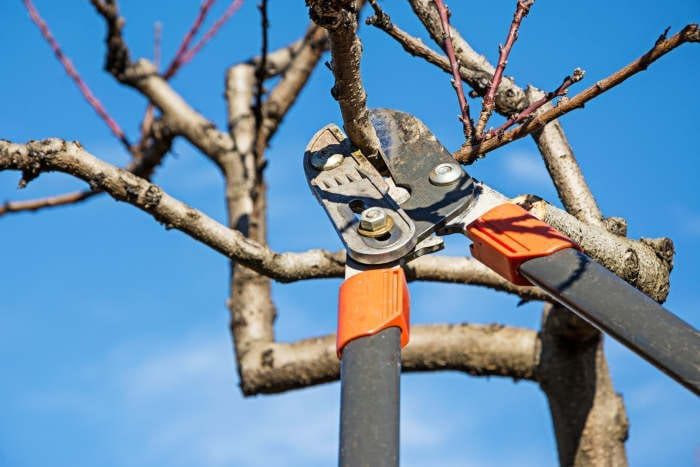
Trimming trees is a critical part of home maintenance. However, if done wrong tree trimming can pose risks. Knowing how to properly prune trees and do so safely will help to protect your home, the property and your trees.
Keep reading!
Understanding Safe Tree Trimming Techniques
Tree trimming is more than just lopping off branches; it requires careful thought and action to avoid injuring yourself and damaging the tree. Safe tree trimming techniques are designed for the benefit of both the tree and the person trimming it.
Some key principles of safe tree trimming:
- Use the Correct Tool: Equipment that is sharp and well-maintained will help to prevent jagged cuts from damaging the tree and the inability to put sufficient effort into the cut will result in more work for you.
- Know When to Trim: The time of year to trim varies by tree species and local climate. As a rule of thumb, late winter and early spring is the ideal time to perform tree trimming for many types of trees.
- Don’t Trim Too Much: When trees are exposed to too much stress, they can become susceptible to disease.
- Use Proper Cutting Techniques: By creating clean cuts in appropriate locations on the tree, the tree will generate new growth more effectively than when poor cutting techniques have been used.
The above techniques are ways that you can help keep your trees and your property healthy.
Essential Tools for Safe Tree Trimming
Using the right tool is an important step in safely and effectively trimming your trees. Here is a list of tools and safety gear that every homeowner should possess:
- Pruning Shears: For small branches that are less than ¾ of an inch in diameter.
- Loppers: For branches that are between ¾ of an inch and 2 inches in diameter.
- Hand Saw or Pole Saw: For branches larger than 2 inches in diameter.
- Chainsaw: Primarily for heavy-duty tree trimming; but only after you have received training on how to safely operate a chainsaw.
- Safety Glasses: Protects your eyes from any debris.
- Gloves: Protects your hands from cuts and improves your grip.
- Hard Hat: Protects your head from any falling branches.
- Sturdy Ladder: The ladder used must be of sufficient height for your required work and in good condition to ensure stability.
- Slip Resistant Shoes: Ensures that you will have good traction on uneven surfaces.
Always inspect all tools prior to use for safe and proper operation. Using dull blades or improperly functioning equipment increases your chances of being injured.
The Following are Steps to Trim Trees Safely
When trimming trees, it is necessary to follow a sequential process to ensure safety and success for the activity. The following steps can be used as a guideline:
- Assess the Tree’s Condition and Surroundings: Before trimming the tree, you should check for power lines, weak branches and unstable ground in the area of the planned work.
- Plan Your Tree Cuts: Determine which branches must be removed and where cuts will be made.
- Wear Safety Equipment: Use gloves, safety glasses, hard hat, and sturdy shoes before climbing the ladder.
- Properly Position the Ladder: Place the ladder in a firm and level position and if possible, have someone stabilize the ladder while you work.
- Cut Using the “Three -Cut Method”: This method of cutting is used for cutting large branches and involves making three separate cuts to accomplish one cut:
- First cut: Undercut to approximately 12 inches from the base of the branch and through one-third the thickness of the branch.
- Second Cut: Top cut made a few inches further from the trunk cut all the way through.
- Third Cut: Cut just outside of the branch collar in order to remove the stub of the branch.
- Avoid Cutting Too Close to the Tree Trunk: Cutting too close to the trunk could injure the tree and slow the healing process.
- Connect Safely with Branches: After each branch is removed, you should dispose of any branches that have fallen to prevent trips/falls.
For safety reasons, if a branch is excessively large or is located close to power lines, you should call for a professional tree service for assistance.
Common Mistakes to Avoid When Trimming Trees
Both experienced and inexperienced homeowners can make mistakes when trimming their trees that cause injury or damage to the tree. Here are several of the most common mistakes made:
- Trimming in the Wrong Season: Trees can be exposed to insects and fungi during improper cutting times.
- Using Improper Tools: Attempting to cut tree branches above a certain diameter will not only be dangerous to you, but it may also injure the tree.
- Climbing Trees Without Personal Protection Equipment: Falls are a leading cause of injury directly related to tree trimming.
- Ignoring the Power Lines: Maintain a safe distance from all power lines while trimming trees.
- Over Trimming: Removing too many branches can create a risk of failure in the structure of the tree due to over-trimming.
- Cutting Flush with the Trunk: Cutting flush with the trunk will damage the tree’s natural defense system.
- Leaving Unsupported Stubs: Leaving the stub of the cut branch will likely invite fungi or diseases.
By avoiding the above mistakes, you can help to make certain that your tree trimming projects are safe and successful.
When to Call for Professional Assistance
Many tree trimming jobs are not handled easily by amateurs. Common reasons to seek assistance from a professional include:
- Tree branches are located near power lines.
- Large, tall trees.
- Lack of access to proper equipment and experience.
- A tree exhibiting signs of disease or physical weakness.
- Removing tree limbs that are too large to cut safely by yourself or removing an entire tree.
A professional arborist knows how to utilize the appropriate tools to complete complex and/or hazardous trimming projects. In addition, he/she can offer recommendations regarding proper tree care and maintenance.
Check out the resources listed above to learn more tree trimming safety tips from reputable sources.
Post-Trimming Care for Your Trees
Your trees will heal more quickly from trimming if they receive proper care/treatment after the trimming. Consider implementing the following tips following any trimming operation:
- Watering: Water will help to alleviate any stress the tree may experience (especially during dry periods).
- Fertilizing: Wait until you see new tree growth before you fertilize.
- Monitoring: Check your trees’ leaves for any unusual spots, holes or discoloration every couple of days for two weeks.
- Keep the Area Clean: Clean away all dead leaves and branches after trimming your trees to reduce the likelihood of fungi developing.
- Provide Continued Care: Avoid cutting any branch too soon after trimming.
Healthy trees will have greater adaptability. Healthy trees will also enhance the visual appeal and monetary value of your property.
Final Safe Tree Trimming Tips
By following the above-safe tree trimming techniques, you must protect yourself and the trees that you manage. Remember preparing yourself with knowledge and proper tools are critical to successfully and safely maintain your trees. Therefore, if you ever have a question, call R & S Landscaping or another reputable tree trimming service for assistance to maintain the health and beauty of your home and landscaping.