
How Does Installing Mulch in My Garden Protect Plants During the Winter?
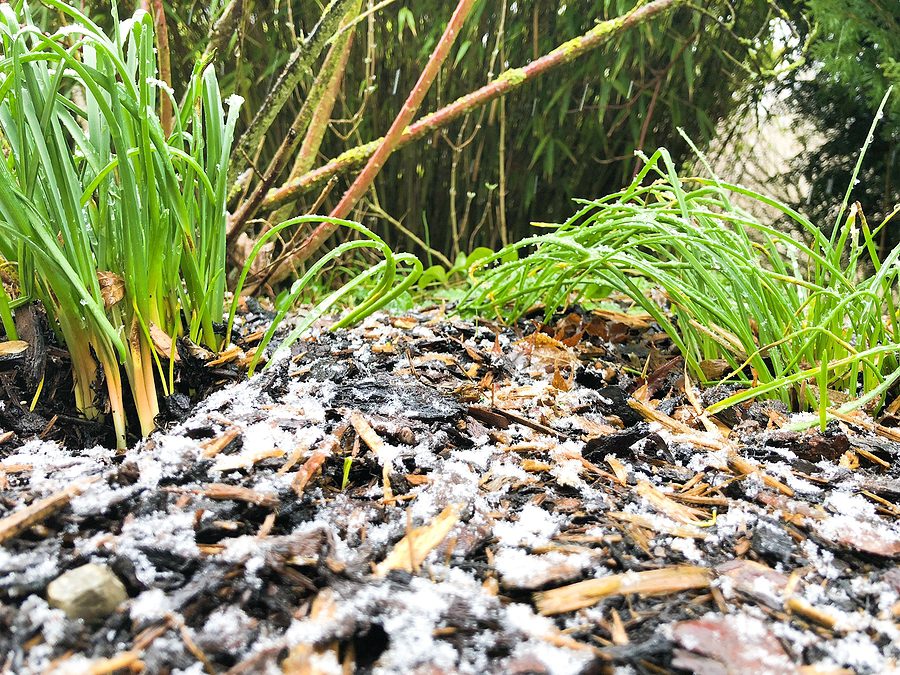
Since winter is approaching, commercial property managers across the U.S. are facing having to adapt their landscapes to warmer temperatures, harsher conditions, and less sunlight in the autumn.
While mulching is common in spring or summer, a layer of mulch in the winter can provide great benefits that will help your landscape survive the colder months.
We take landscape landscapes to the great challenges that landscapes are facing all around the country and we’ll tell you how mulching is a simple but effective way to protect your business during the winter months. Winter garden mulching is the cornerstone of landscape maintenance to protect your garden soil , its nutrients and its plants.
What Is Mulching and Why Is It Important for Winter?
Mulching occurs when plants are dumped in organic or inorganic matter with wood chips, straw or leaves to cover the soil around the plants.
During the winter, mulch serves as an insulator against freezing temperatures and temperature fluctuations that might cause stress to your landscape. The mulch is also a nice addition to the soil and plants, and provides several other benefits that can really help maintain beauty and health of your commercial property.
Benefits of Mulching for Winter
Insulation Against Freezing Temperatures
Most of the U.S. is in cold, though winter temperatures can fluctuate much, occasionally falling below freezing at night but largely boosting during the day.
This freeze-and-thaw cycle can be a hard sell for plants, especially for plants with more extreme temperatures. Mulch is a natural blanket that provides insulation for plant roots and helps maintain soil temperature.
The protective layer protects the soil from freezing overnight and prevents root damage.
Prevents Soil Erosion
If snow and winter rains can be heavy, and if you do not protect your landscape in good condition, soil can be easily washed away.
Mulch helps prevent soil erosion by covering soil with protective cover so rain and snow do not damage the soil surface. This is particularly important for commercial landscapes with steep slopes or runoff areas. It is worthwhile to add a layer of mulch in order to protect the soil from loss and to ensure that you keep your landscape intact throughout winter months.
Moisture Retention
While winter tends to be drier in some areas, many states still receive precipitation. Mulch prevents evaporation from capturing moisture in soil.
It is a barrier that keeps water from leaking down as it is, meaning your plants get constant supply of moisture. This is especially relevant to evergreen shrubs, trees and plants that require constant watering throughout the year.
Weed Control
Winter mulching is a useful technique in controlling weeds, which can still exist in colder climates. One layer of mulch blocks sunlight and avoids seed propagation while inhibiting weed growth. This saves you the time and effort to do spring weeding during the spring, and thus the time you can focus on other important landscape tasks.
Improved Aesthetics
Most winter landscapes are bare and dull, especially with many of your plants doing their thing or drooping off on the leaves. Mulch enhances your property’s visual appeal during the cold months while adds texture and color.
Mulching can add a rustic style to the exterior look of your commercial property as well as serve as a welcoming environment for visitors, tenants, and employees, making the site a pleasant space to visit.
Supports Plant Health
Mulch adds nutrients to soil as it grows, and it also helps maintain the health of your landscape. Organic mulches help to dissolve organic mulch and increase soil structure and fertility.
This helps ensure their health and resilience, and helps assure that they can return stronger in spring. Further, mulch shields plants from physical damage caused by frost heaving when the soil freezes and the soil thaws as the plants move or die.