
How Do You Design a Xeriscape Landscape for an Albuquerque Home?
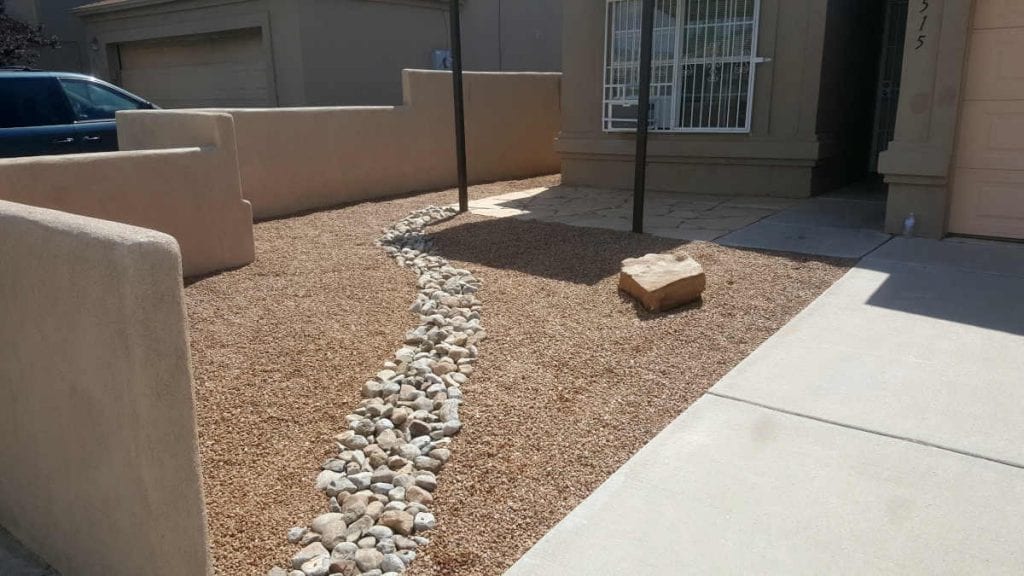
Designing a xeriscape landscape for an Albuquerque home starts with understanding the property, not choosing gravel or buying drought-tolerant plants. A successful design considers how sunlight moves across the yard, where rainwater drains, how the outdoor space will be used, and which plants can thrive together with similar watering needs.
The best approach is to sketch the property, identify sunny and shaded areas, plan walkways and outdoor living spaces, group plants into watering zones, and then choose plants, irrigation, and groundcover materials that work together.
In Albuquerque’s high-desert climate, this planning matters. Strong summer sunlight, dry winds, occasional heavy monsoon rain, and winter freezes can create very different growing conditions within the same yard.
A well-designed xeriscape can be attractive, comfortable, and practical without requiring a large traditional lawn. The goal is not to eliminate every plant or every drop of irrigation. It is to use water wisely while creating a landscape that fits the home and the people living there.
Start With a Site Assessment Before Designing Your Xeriscape
The first step is to walk around the property and observe what is already there. A landscape that looks good on paper may not work if the design ignores afternoon heat, drainage, or the space needed for mature trees.
Draw a rough outline of the yard on graph paper or use an aerial image of the property. Mark the house, driveway, sidewalks, fences, gates, patios, and existing trees.
Then look more closely at the conditions that will influence the design.
Identify Sunny, Shaded, and Wind-Exposed Areas
Albuquerque’s intense sunlight affects where plants should go and which materials make sense.
A west-facing front yard can receive several hours of strong afternoon sun. Plants near a driveway or block wall may experience additional heat reflected from nearby surfaces. Meanwhile, a north-facing planting bed may remain noticeably cooler.
These differences can affect plant selection, irrigation needs, and how comfortable the yard feels during summer.
Pay attention to:
- Areas receiving direct sunlight most of the day.
- Shaded locations beneath trees or beside the house.
- Hot surfaces such as driveways, sidewalks, and walls.
- Exposed areas where spring winds can dry the soil.
- Locations where people need shade or privacy.
Do not assume every part of the yard needs the same plants or watering schedule.
Check the Soil, Slope, and Drainage
Soil conditions can vary considerably across Albuquerque properties. Some areas have sandy soil that drains quickly, while others contain compacted clay or caliche that can restrict water movement and root growth.
Observe where water travels during rainstorms. Look for erosion, low spots, standing water, and runoff moving toward the house.
These details are especially important during New Mexico’s summer monsoon season, when a brief storm can produce significant runoff.
A xeriscape design should preserve safe drainage paths rather than blocking them with raised beds, gravel berms, or decorative features.
If a yard has serious drainage problems, those problems should be evaluated before new landscaping is installed.
Decide How You Want to Use Your Albuquerque Yard
Before selecting plants, think about what the landscape needs to accomplish.
A homeowner who wants an attractive front entrance has different priorities from someone designing a backyard for children, pets, entertaining, or quiet evenings outdoors.
A useful xeriscape plan divides the property into functional areas.
For example, a front yard might include a walkway to the entrance, a small seating area, flowering plants near the house, and drought-tolerant shrubs along the property boundary.
A backyard might reserve space for a patio, shade trees, raised planting beds, and an open area for pets.
A xeriscape landscape does not have to be entirely gravel. It can include living plants, trees, patios, pathways, decorative rock, organic mulch, and even a modest lawn where grass serves a useful purpose.
Homeowners interested in the broader planning concepts can explore the basic principles of xeriscaping before making their final design decisions.
Should You Keep Part of Your Existing Lawn?
Keeping a smaller lawn can make sense when it provides a place for children to play or pets to spend time.
The important question is whether the grass is serving a useful purpose.
A narrow strip of turf beside a driveway may be difficult to irrigate efficiently and offer little practical value. Replacing that area with appropriately selected plants or groundcover may simplify maintenance.
On the other hand, removing every square foot of grass may not suit a household that regularly uses its lawn.
For homeowners considering a larger change, this Albuquerque lawn-to-xeriscape conversion guide provides additional information about replacing traditional turf.
Draw a Xeriscape Layout and Group Plants by Water Needs
Once the property’s conditions and intended uses are clear, begin organizing the landscape into planting areas, paths, and irrigation zones.
One of the most useful xeriscape design techniques is called hydrozoning.
Hydrozoning means grouping plants with similar watering requirements together so they can receive appropriate irrigation without wasting water on plants that need less.
For example, a vegetable garden or a small lawn generally requires different watering than established drought-tolerant shrubs. Placing these areas on separate irrigation zones makes it easier to meet their individual needs.
An Example of an Albuquerque Front-Yard Design
Consider a west-facing front yard with an aging lawn, a driveway along one side, a shaded entrance, and a shallow drainage swale near the sidewalk.
A practical design could organize the yard this way:
- Keep the drainage swale open so stormwater can continue moving along its intended path.
- Place a walkway between the sidewalk and front entrance, using a surface appropriate for safe access.
- Group sun-tolerant shrubs and flowering plants away from the hottest pavement edges, allowing room for mature growth.
- Preserve useful existing shade and add appropriately placed plants or trees where they can help reduce afternoon heat.
- Use separate irrigation zones for new plantings with different watering needs.
This is an illustrative design, not a description of a completed landscaping project. The final layout would depend on the property’s measurements, utilities, soil, and drainage.
The important lesson is that each design choice should solve a specific problem.
| Yard condition | Design consideration | Practical approach |
| Hot west-facing exposure | Intense afternoon sun and reflected heat | Choose suitable plants and consider shade |
| Existing mature tree | Root protection and competition for water | Preserve root space and avoid unnecessary excavation |
| Sloped planting area | Erosion and stormwater runoff | Maintain drainage paths and select suitable groundcover |
| Narrow driveway strip | Heat and limited growing space | Choose plants based on mature width |
| Shaded entryway | Lower sunlight and different moisture conditions | Select plants suited to partial shade |
A simple site sketch with these conditions marked can prevent expensive changes after installation begins.
Choose Plants for Each Exposure and Allow Room for Growth
Plant selection should come after the basic layout is established. Otherwise, homeowners may end up with attractive plants in locations where they cannot thrive.
For Albuquerque xeriscaping, look for plants suited to the local climate, the property’s soil conditions, and the amount of sunlight available.
Depending on the site, possible choices include desert willow, Apache plume, red yucca, autumn sage, and selected native grasses. Each has its own mature size, cold tolerance, soil preferences, and watering requirements, so they are not interchangeable.
The best plants for xeriscaping in Albuquerque will depend on more than whether a nursery labels them drought-tolerant.
Plan for Mature Plant Size, Not Nursery Size
A small shrub in a nursery container may eventually grow several feet wide. If plants are installed too close together, they can crowd walkways, block windows, interfere with irrigation, or require frequent pruning.
Before placing a plant on the drawing, check its expected mature height and width.
This is particularly important near:
- Driveways and sidewalks where visibility and access matter.
- Windows, gates, and utility equipment.
- Foundations and walls.
- Existing trees with established root systems.
Leave enough space for each plant to develop its natural shape. Proper spacing also makes maintenance easier and allows the landscape to look intentional as it matures.
Can a Xeriscape Landscape Include Flowers?
Yes. A xeriscape can include flowering shrubs, perennials, ornamental grasses, and trees that provide seasonal color.
A good planting plan considers when different plants bloom, their mature shapes, and how their colors work together.
Instead of scattering individual flowers across a large gravel area, consider grouping compatible plants in beds where their colors and textures can create a stronger visual effect.
The result can feel like a carefully designed garden rather than a collection of isolated plants.
Plan Drip Irrigation, Drainage, and Mulch Together
Water-wise landscaping still requires thoughtful irrigation.
Most newly installed xeriscape plants need supplemental watering while their roots become established. Some will continue to need irrigation during extended dry periods, even after they mature.
New Mexico State University’s Landscape Water Conservation: Principles of Xeriscape explains how plant selection, irrigation, mulch, soil preparation, and maintenance work together. It also explains why xeriscaping does not mean a landscape will never need watering.

BE BOLD. Shape the Future.
Design Irrigation Around the Plants
Drip irrigation can deliver water directly to the soil near plant roots, reducing overspray onto pavement and other areas that do not need watering.
However, simply installing drip tubing does not guarantee an efficient system.
Emitter selection, spacing, water pressure, soil conditions, and irrigation scheduling all matter. Trees and shrubs may also need different irrigation arrangements as their root systems develop.
Separate irrigation zones should be considered for areas with substantially different watering requirements.
The EPA WaterSense watering guidance recommends grouping plants with similar needs and adjusting irrigation schedules as conditions change. This is useful when planning a system that will remain efficient through Albuquerque’s changing seasons.

US EPA
Homeowners should also review how xeriscape design can help prepare a yard for water restrictions.
Keep Drainage in the Design
Drip irrigation addresses routine watering, but drainage addresses what happens when rain arrives quickly.
A landscape should direct runoff away from vulnerable structures without creating erosion or sending unwanted water onto neighboring properties.
On some properties, shallow landscape depressions or carefully graded planting areas may help manage runoff. Their placement depends on the existing drainage pattern, soil infiltration, and applicable local requirements.
Do not fill an existing drainage swale simply because it interrupts the preferred landscape layout.
Significant grading, retaining walls, or drainage changes warrant professional evaluation.
Choose Mulch Based on the Planting Area
Mulch helps cover exposed soil, limit weed growth, and reduce moisture loss.
Both gravel and organic materials can have a place in Albuquerque xeriscaping, but they behave differently.
Gravel provides a durable appearance and can work well in selected open areas. In full sun, however, rock surfaces may absorb and reflect substantial heat.
Wood chips and other suitable organic mulches can help moderate soil temperature and improve growing conditions in appropriate planting beds, although they require periodic replenishment.
Keep mulch away from direct contact with tree trunks and plant crowns. Also consider how wind, runoff, and foot traffic will affect the chosen material.
Balance Decorative Gravel, Walkways, Shade, and Living Plants
One of the most common design mistakes is treating xeriscaping as a project to remove grass and cover everything with rock.
A yard dominated by gravel may require less mowing, but it can still develop weeds, collect debris, and become uncomfortable during hot weather.
The better approach is to use different materials for different purposes.
A walkway should provide safe, comfortable access. A patio should have a stable surface suitable for furniture. Planting beds should support healthy root growth. Open areas should complement the house rather than appear unfinished.
Use Shade as Part of the Design
Trees and appropriately positioned shade structures can make an outdoor space more usable.
For example, a patio receiving strong late-afternoon sunlight may benefit from shade more than from an additional decorative rock feature.
Tree placement requires planning for mature canopy size, root space, irrigation, and nearby structures. A tree selected only for its appearance may eventually become too large for the available space.
The objective is to create a comfortable outdoor environment while keeping water use reasonable.
Consider Maintenance Before Choosing Materials
Every landscape requires some maintenance.
Gravel areas may need weed control and debris removal. Organic mulch may need replenishment. Drip irrigation systems require inspection for leaks and clogged emitters. Trees and shrubs need appropriate pruning and occasional plant-health attention.
A well-designed xeriscape can reduce some routine maintenance, but it should not be advertised as maintenance-free.
Choosing materials based on the homeowner’s available time and preferred level of upkeep can prevent disappointment later.
Build the Xeriscape Project in a Practical Order
A landscape renovation is easier to manage when the work follows the design rather than forcing the design to accommodate work already completed.
A reasonable installation sequence is to finalize the layout, address drainage and utility concerns, remove unwanted turf or other materials, prepare planting areas, install necessary irrigation components, and then place plants, mulch, and finishing materials.
The exact sequence can change with site conditions and contractor requirements.
Check Local Xeriscape Rebates Before Removing Grass
Albuquerque homeowners planning to replace an irrigated lawn should review the Albuquerque Bernalillo County Water Utility Authority’s xeriscape rebate program before starting demolition.
As of October 2026, the Water Authority lists a rebate of up to $3 per square foot for qualifying turf conversion projects. Eligibility and installation requirements apply, and pre-approval is required before turf removal begins.
ABC Water Authority
The Water Authority’s xeriscape rebate information explains the application process, plant coverage requirements, mulch requirements, and inspections. Reviewing it early can help homeowners avoid starting a project that later proves ineligible.
Homeowners should also check applicable watering rules, HOA requirements, and any permits or approvals that may affect their plans.
Can a Xeriscape Be Installed in Phases?
Yes. A large project can often be divided into manageable sections.
For example, a homeowner might address drainage and irrigation infrastructure first, convert the front lawn next, and complete backyard planting and hardscaping later.
The important consideration is to create the overall plan before beginning.
That way, later work will not require removing newly installed plants, relocating irrigation lines, or rebuilding pathways.
Before excavation, have underground utilities located through the appropriate utility-location service.
What Should You Check Before Finalizing Your Xeriscape Design?
A useful final review is to walk through the drawing as though the landscape were already installed.
Albuquerque Xeriscape Design Checklist
- The plan accounts for sun, shade, wind, and reflected heat.
- Existing drainage routes remain functional.
- Walkways, seating, pets, and other household needs have space.
- Plants are grouped by compatible watering requirements.
- Mature plant sizes and root space have been considered.
- Irrigation includes establishment watering and future adjustments.
- Mulch and hardscape materials suit their locations.
Utility locations, local requirements, and possible rebates have been checked.
A homeowner who can answer these questions has a much stronger starting point than someone who begins by purchasing plants and decorative rock.
It is also worth reviewing these common xeriscaping mistakes before finalizing the project.
When Should You Get Professional Help with Xeriscape Design?
Many homeowners can sketch their own layout, identify preferred plants, and decide how they want to use their outdoor space.
Professional input becomes more valuable when a project involves substantial grading, difficult drainage, retaining walls, major irrigation changes, large trees, or extensive hardscaping.
A landscape professional can also help coordinate the relationship between plant placement, irrigation, and outdoor living features so that one part of the project does not interfere with another.
Even when the work will be completed in stages, a coordinated design can help avoid unnecessary expense.
Create an Albuquerque Xeriscape That Works for Your Home
A successful xeriscape landscape is more than a collection of drought-tolerant plants and decorative gravel. It is a plan that brings together the property’s natural conditions, the homeowner’s needs, efficient irrigation, and thoughtful design.
For Albuquerque homeowners, the most important decisions happen before installation begins. Understanding sunlight, drainage, plant spacing, and water requirements can make the difference between a landscape that works well for years and one that needs frequent corrections.
R & S Landscaping provides landscaping, xeriscaping, and irrigation services for homeowners in Albuquerque and surrounding Central New Mexico communities.
If you’re considering a new xeriscape or replacing an existing lawn, contact R & S Landscaping to discuss your property and request an estimate.
Call 505-271-8419 or visit R & S Landscaping to get started.