
How Do I Eliminate Weeds from My Lawn?
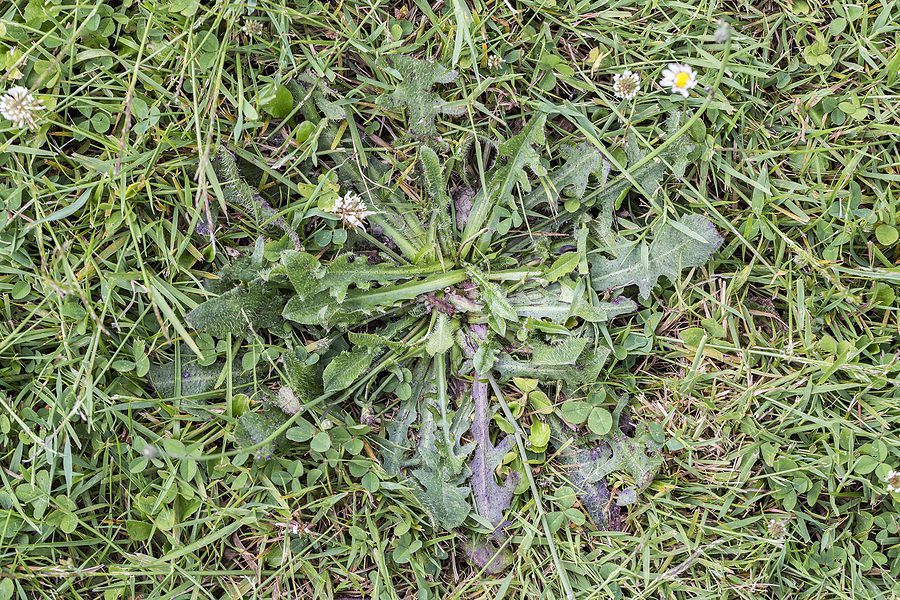
There are many methods to get rid of weeds in your lawns; they include using vinegar for weed removal, removing the weeds by physically pulling them out manually, or spraying post-emergent herbicides on the weeds.
The weed species and how numerous the weeds are will help determine which method will work best for you.
Allowing the weeds to grow unchecked will result in the weeds taking over your lawn and destroying all the work that you have put into it by leaving behind a large uneven area of grass. In addition to creating a lawn that looks messy due to the presence of weeds, your grass will be competing with the weeds for water, nutrients, and light, which weakens your grass.
In this article, there are multiple ways to get rid of your weeds so your lawn can be as healthy as possible. If you are overwhelmed, please contact a professional weed removal service for the best assistance.
Below are the sections in this article:
- Removing Weeds by Hand
- Using A Scuffle Hoe
- Using Post-Emergent Herbicides
- Using An Organic Weed Killer
- Overseeding Heavily
- Using A Weed Control Service
You Will Need:
- Wedding fork / hand trowel / weed removal tool
Hand pulling weeds manually is an effective option to get rid of weeds from lawns that are small to medium in size. To hand-pull, get as close as you can to the weed and grab it at its base then steadily pull it from the ground ensuring to remove the entire root with it. For larger or tough weeds, use a hand trowel or weed removal tool to assist you.
Tip: Hand-pulling weeds when the soil is wet will allow easier removal of the weed and its root will likely come out of the garden completely.
Use a Scuffle Hoe
You Will Need:
- Scuffle Hoe
A scuffle hoe is a great tool for removing weeds from small areas. It is lightweight and eliminates the need for you to kneel down to work. To remove weeds using a scuffle hoe, place the blade just below the surface of the soil and cut off the top of the weed. Be sure to take care not to turn or disturb the soil too much.
Pro Tip: The scuffle hoe only cuts the tops of the weeds leaving the roots below the surface, which means the weed will continue to grow back if it has a bulb, rhizome or tuber.
Apply Post-Emergent Herbicides
Advanced Level of Experience: Cost $20-$90 or more depending upon the amount and type of herbicide.
You Will Need:
- Herbicide
- Handheld sprayer if using liquid-type herbicide; fertilizer spreader if using granular
- Gloves
- Dust mask
- Long sleeved shirt
- Long pants
- Hat
- Shoes with closed toes
Post-emergence herbicides are great for controlling weeds already grown. You can use them at any time during the season. Not all post-emergent herbicides are created equal; you will need to choose which product is best for your lawn by considering your amount of weeds and their stage of growth and then decide on the type of weed to treat.
- Selective post-emergent herbicides will target very specific types of weeds and will not harm grass. Some selective post-emergent herbicides are specifically formulated to kill grassy type weeds such as crabgrass and nutsedge. In contrast, other selective post-emergent herbicides may be formulated to kill broadleaf weeds such as dandelions and henbit.
- As a general rule, non-selective post-emergent herbicides will kill any plant they touch – including grass. Non-selective post-emergent herbicides, (i.e. RoundUp) are very effective spot treatments in cases where you do not want any vegetation growing in that area.
- Contact post-emergent herbicides will kill only the portion of the plant that they contact, therefore even though they act quickly, they may need to be reapplied multiple times – especially if the weed is an annual.
- Systemic post-emergent herbicides are absorbed through the leaves and systematically kill the entire plant from the root system to the leaf structure. Systemic post-emergent herbicides may take more time to show results but are more effective than both non-selective and contact post-emergent herbicides – particularly with perennial and deep-rooted weeds.
Always read instructions prior to using all herbicides to ensure safe usage! If you are using liquid herbicides, you will need to mix them with water as directed on the product label and apply them using a handheld sprayer. If you use granular herbicides, you will need to spread them evenly using a fertilizer spreader to cover the work area evenly. To protect yourself from chemical exposure, wear protective gear when applying a herbicide to any affected area. Wash any clothes, tools or hands used to apply the herbicide after use. Do not allow children or pets access to a treated area for the period of time listed on the label of the herbicide.
Use pesticide alternative methods.
Most people today will use chemical pesticides/herbicides (glyphosate), which are effective but toxic to the environment, human beings, pets and the water supply. Instead one could use many natural alternatives for weed/grass control that would avoid harming the environment, lawn and one’s self.
Boiling water
Skill level: Low Cost: $0
Materials needed:
- Boiling water
Boiling water is one way to eliminate weeds growing in cracks of sidewalks, driveways, etc. The boiling water will kill the portion(s) of the plant that it comes in contact with. However, boiling water will not kill roots, and therefore may allow some of the weed(s) to grow back. Boiling water can also kill grass if used near grass areas, so be careful to apply it only to the area you want killed. If there continues to be evidence of weeds, you may need to apply boiling water two times.
Vinegar
Skill level: Low Cost: $15
Materials needed:
- Vinegar
- Dish soap
I have personally used vinegar to kill weeds naturally; however, using vinegar does have its drawbacks. Vinegar is a non-selective herbicide, which means that it will kill anything (including grass) it contacts. Therefore, one must carefully apply vinegar to avoid killing desirable plants (such as flowers). Since vinegar only kills the top portion of the weed, if you do choose to apply vinegar this way, be prepared for the likelihood that you may need to continue to apply it.
A tip I have for homemade weed killer is to mix 1 tablespoon dish soap with 1 gallon of vinegar (white or apple cider) in a bucket, mix well and transfer it to a spray bottle for easy application.
Corn Gluten Meal
Skill Level: Low Cost: $9.50 for every 1,000 square feet of application.
Materials required: corn gluten meal
Corn gluten meal is an effective pre-emergent herbicide that will add nitrogen to support a healthy lawn. Research conducted across the United States shows that corn gluten meal is effective in reducing crabgrass, for example, as long as the lawn is located in the appropriate climatic zone.
A recommendation for applying corn gluten meal is to wait until the grass has been established before applying the corn gluten meal because corn gluten will also target grass seed.
Overseeding
Skill Level: Low Cost: $19 or more – depending on how much seed is required and/or seed variety.
Materials needed: grass seed.
By overseeding your lawn’s existing grass, you can help fill in the bare areas of your lawn and help prevent weeds from growing due to your thicker and stronger lawn. If you already have a weed problem, simply overseeding will not fix that problem; so, apply grass seed that is appropriate for your climatic conditions, spread the seed evenly and keep the soil evenly moist until the grass is established.
Professional Help
If you have an overwhelming amount of weeds and are having trouble managing them on your lawn, I suggest retaining the services of a lawn care provider (e.g., R & S Landscaping – Albuquerque, NM) to assist your needs.
Find a professional lawn care provider in your area.
Weeds are unsightly and can impact the health of your lawn, however, everyone does not have the time to address/prevent weed problems. If you do not want to manage lawn maintenance on your own, I would suggest utilizing the lawn maintenance program offered by R & S Landscaping – which will not only manage your weeds, but manage your overall lawn health as well.