
How Do I Convert My Grass Lawn into a Xeriscape Yard?
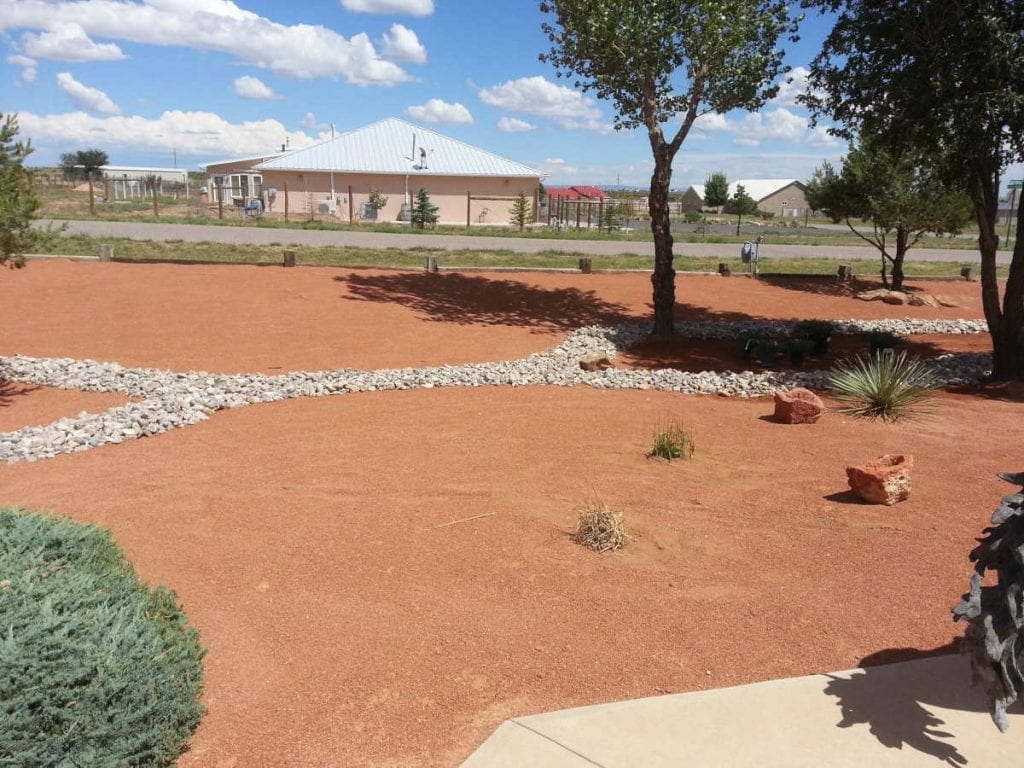
Replacing thirsty grass lawns with low maintenance, low-water-use Xeriscape landscaping is one of the easiest and most aesthetically pleasing ways you can reduce your water consumption by a significant amount in drought-prone areas.
Not only is a low-water-use landscape beautiful, but did you know there are many benefits to replacing that hard-to-maintain grass lawn with plants that require little-to-no water? Some benefits include:
- improved habitat/ecosystem for local wildlife
- improves soil health
- reduces yard maintenance
- improves sustainability
- saves money on your water bill
Learn How to Make the Switch to Xeriscape
Here are some tips to help you start your own Xeriscape landscape to help you kick-start your Xeriscape landscape this spring.
Tips for Lawn to Xeriscape Conversion
Don’t Bite Off More Than You Can Chew
Digging up and getting rid of a grass lawn can be an overwhelming task if you try to do it all at once. I have found that chipping away at my lawn each year is very effective. Choose at least one project each year that will get you closer to having no grass lawn. Some ideas: lay down some pretty pavers, rock/pebble areas or plant some native or drought tolerant plants.
Research Your Xeriscape Options
Learn all you can about your climate and soil and learn which perennials will work best in a Xeriscape landscape. There are plenty of great books out there, but you will learned the most about Xeriscaping by browsing the internet and checking out other landscape gardens. Many cities in the West have local botanical gardens that have entire sections devoted to Xeriscape landscaping. There are also probably dozens of people in your town that have low-maintenance landscaped yards. See what you can learn locally and ask tons of questions at your local nursery.
Choose the Right Plants, Part Deux
This tip is linked with researching your options. You will never have a successful Xeriscape landscape if you don’t pick plants that can thrive in your hardiness zone, with your soil conditions and climate. Just because a plant is low-water use doesn’t mean it will grow well in your landscape. Some drought tolerant plants don’t fare well in areas that receive over 20 inches of rain a year. Know which plants will work before you purchase them.
Map Your Water Zones
Figure out where your “water zones” are in your yard. Some areas will receive supplemental water and others may not. Zone 1 is the area that will get the most water, usually this area is near the house and the garden hose. Zone 2 will get less water than zone 1, zone 3 will get less than zone 2 and so on. Place your plants according to their water needs. If you plant a perennial that may need watering occasionally, during a drought, plant those close to each other and near a water source.
Remove Turf in Sections or Remove All of the Lawn at Once
If you’ve got the time, energy and motivation, remove your turf in one weekend. You may want to or want to remove portions of your lawn a section at a time. If you choose to take off your turf in sections, follow the directions in the next section.
How to Remove Grass for Conversion to Xeriscape
Whether you plan on taking baby steps or just tearing out all the lawn at once, you need to know how to get rid of the darn stuff!
Solarize Turf
Smother turf with black polyethylene sheeting and let the sun do the work. If applied in the spring it can take 4-8 weeks for the turf to die. Once the turf is dead, you can immediately plant without removing the old turf.
Sheet Covering
Like making lasagna? Learn how to make sheet lasagna gardens here. This method takes a while, but the results are nutrient rich soil. Start in the fall by laying down compost, then cover with cardboard or newspaper (10 pages thick). Cover with more compost and finish with up to 18 inches of organic material like grass clippings and mulch. By spring you’ll be ready to plant!
Dig it up!
If you take small sections at a time, simply outline the area to convert with spray paint. Then, use a flat tipped shovel or spade and dig out the grass, roots and all. This method works best in the spring when the soil is still moist.
Homemade Natural Herbicide
Vinegar can kill your grass if applied directly. Since this method can get expensive if you have a lot of lawn to remove, it is recommended to spot treat large sections of grass turf. Once the grass dies, dig it out and plant!
Homemade Weed Killer
Ok. If you must use a chemical weed killer, it is recommended to purchase a concentrate and use a backpack sprayer. Glyphosate is a non-selective contact herbicide, so make sure you spray on a warm, calm and sunny day.