
Does Sod or Seed-Grown Grass Lawn Hold Up Longer Over Time?
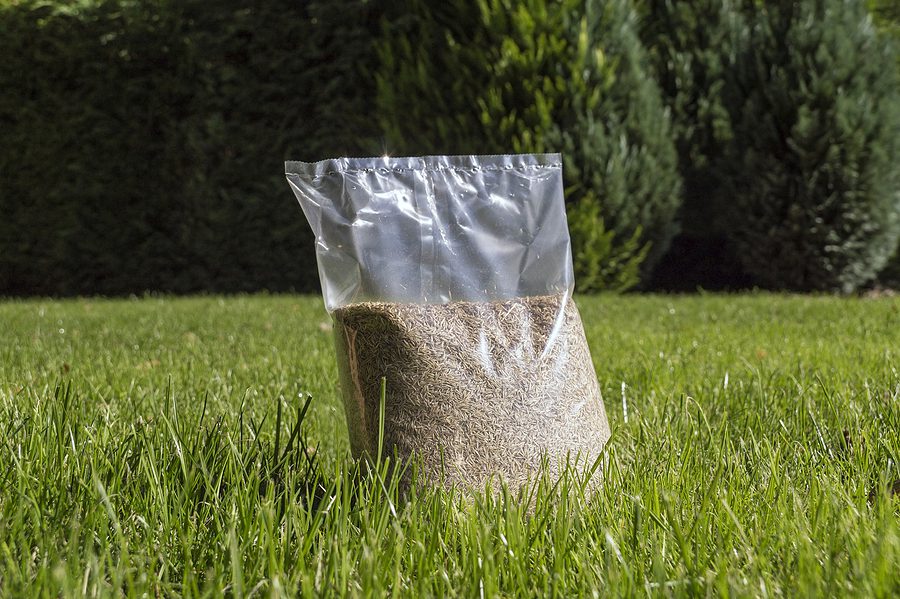
When deciding whether you want to grow grass from seed or lay sod, there are many factors to consider. Costs will range from $0.10 to $0.30 per square foot for seed to $2.00 to $3.00 for sod for professional installation. Depending on what you decide to do, your lawn could take anywhere from 2 weeks to 4 months to establish itself as a healthy lawn. Grass grown from lawn seed can take between 2 months to 4 months before it is able to be used. While Sod only takes 2-3 weeks before it can be used!
If you plan on doing it yourself and you want to save money go with seed. Lawn seed prices vary from $2 to $41 per pound. If you want a certain type of grass and have the time, then seed your lawn. If you need your lawn done in a timely manner or you are bothered by weeds choose sod. If you aren’t sure which route would be best for your lawn, please feel free to contact your local R & S Landscaping to see which would work better, seeding or having sod installed.
Factors to consider when seeding vs laying sod:
- Installation costs for sod are 5 to 8 times greater than seed.
- Seed can take 2-4 months before it’s usable; sod takes only 2-3 weeks.
- Sodding your lawn provides instant erosion control on slopes.
- Seed requires more intensive watering for a longer period.
- You have unlimited choices of grass species when seeding, but there are limited varieties of sod.
- With sod you run the risk of it not adapting well to your soil.
Do you not have the time to figure out grass seed vs sod? Hire a lawn guy!
What’s the difference between seed and sod?
Grass seed is growing a lawn from the ground up. The roots will grow into the soil your lawn is on. Sod is pre grown grass that comes in rolls. It’s essentially grass that has been grown somewhere else and shipped to your home.
Installing sod is like transplanting a plant. The roots will need time to adjust to your soil type and conditions.
Timelines are the main difference between grass seed versus sod. Here are some other differences between installing sod vs. seeding:
Grass seed: Pluses and Minuses
Typically, grass seed is less expensive than sod. Here are some other advantages of planting grass seed.
Minuses of Grass Seed
Cost and labor: Expect to pay anywhere from $0.10 to $0.30 per square foot for grass seed. Installation costs will be higher if you aren’t doing the work yourself ($45 to $95/hr.). Seeding is quick. Professionals can cover 10,000 square feet in 8 to 10 hours, whereas sod installation can take up to 4 days.
Variety: Because you can choose your type of grass, you’ll have more variety options. With sod, you pretty much must take what your local farmers are growing.
Root growth: Grass seedlings grow deeper roots in their first year because they aren’t disturbed by being transplanted. Deeper roots mean your lawn will be more drought tolerant and better at absorbing nutrients.
Minuses of Grass Seed
Seeding has a very limited window. Cool-season grasses should be seeded in late summer or early fall while warm-season grasses can go in during the spring.
Mother Nature: Because it takes 5 days to 4 weeks for grass seeds to germinate and up to 4 months for your lawn to mature, bad weather can destroy your lawn.
You’ve got to water, water, water: Seeds need 2–3 waterings per day for the lawn’s first four weeks. After that, you’ll want to water frequently for at least another month. That’s two months straight of watching over your sprinklers compared to sod’s one month.
Weeds: Because the soil is exposed, weeds can move in before your grass has a chance to establish.
Erosion: Heavy rains could wash away seeds before they sprout.
Sod: Pluses and Minuses
One of the biggest advantages of sod is that it’s pretty much instant gratification.
Pluses of Sod
It’s instant: You can throw a football on sod just two weeks after installation. Seeded lawns can take two months to become strong enough to use.
Flexibility: Seeding has very defined windows of time to seed properly. With sod, you can lay it anytime during the growing season; it just needs to take root before the first frost.
Fewer weeds: Since there isn’t any exposed soil, weeds won’t be able to grow between blades of grass while your lawn is establishing.
Erosion control: Sod’s thick root mat will typically prevent erosion on slopes. In fact, Grande recommends sod for areas with severe erosion to avoid run-off during storms.
Minuses of Sod
Expensive: You’ll pay five to eight times more per square foot for sod versus grass seed.
It’s harder to install: Sod rolls are heavy. Also, you must grade and level your lawn beforehand. Not ready for that DIY project? Expect to pay $40 to $80 per hour to have it done.
Perishable: Once the sod is harvested, it only has 24–48 hours to live. So, plan accordingly.
Limited varieties: You can only pick from what’s being grown in your area.
Also delicate: Sod farmers work hard to grow grass in ideal conditions. Even if you have a similar climate, your lawn might have shady spots that the farm doesn’t. Sod might come with some shock that requires extra care on your part.
Watering lots now, less later: Although watering newly laid sod can get pricey, you’ll spend less money in the long run watering a sod lawn.
Once sod is established you can begin watering deeply and infrequently. But most people think you can stop watering just because it’s green. It’s not!
People underestimate how long they should water sod. People think sod is bulletproof because it’s green on day one. They don’t babysit it like they should. Cutting back on watering after week two because ‘it looks good’ is the biggest mistake people with a new sod lawn make
Special situations
If you have a larger lawn to cover, you’ll save significantly by going the grass seed route. On a 10,000 sq. ft. lawn, you can save anywhere from $3,000 to $20,000 by seeding versus sodding whether you DIY or pay for professional installation.
If you have kids or dogs: Sod will give you the ability to use your lawn quicker. But keep off sod for two weeks and after that heed the basic warning of not putting too much weight on your sod. Heavy play or equipment can shift the rolls and create dead strips in your lawn that will be visible at your first mow.
Timing is everything. Consider doing a hybrid of the two. Sod your front lawn for instant curb appeal and seed your backyard.
Seed your back yard first. Let it take hold and grow over the winter. Then sod your front yard so that by spring both lawns look uniform and established.
FAQs
Can you lay sod over grass?
No, you cannot lay sod over grass. If you try to lay sod over grass, both the sod and grass will die. Sod must be laid on exposed soil to take root.
Which is better for dogs, seed or sod?
If you want your pup to have a place to play ASAP, then go with sod. Dogs can typically run on sod within weeks of installation. But grass needs about 2 months to be able to handle pets and kids.
Why is my new sod turning yellow?
Yellow grass can mean you are either underwatering or overwatering your lawn. Watering sod requires strict guidelines for the first 4 weeks of installation.
Should I Hire Lawn Care Professionals Like R & S Landscaping?
When seeding your lawn or laying sod, there is a proper way to do both. Understanding grass seed vs sod will help you decide which is best for you and your budget. Once you have that beautiful lawn you have always wanted, you’ll be glad you did.
Leave the hard work to the professionals like R & S Landscaping. We can seed your lawn and fertilize your lawn along with mowing your lawn.