
Do I Need to Fertilize My Garden Before Spring Growth Begins?
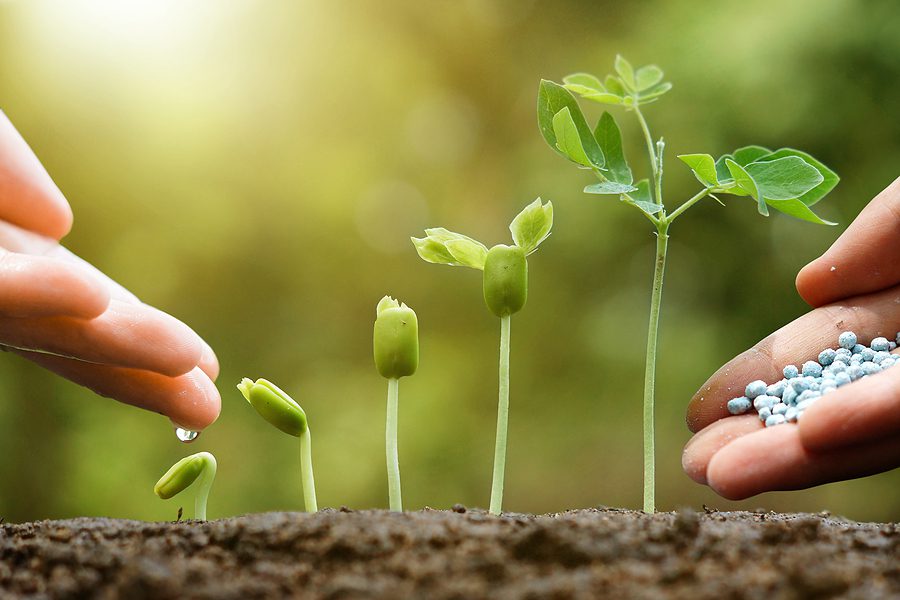
Knowing when and how to feed our gardens is essential for keeping our landscape plants happy and healthy.
The Lewis and Clark Expedition was late, they were late, for a very important date! Well, this spring you won’t be late starting your landscape fertilization in March 2026. Learn what plants you’ll need to start fertilizing when spring begins.
When to Fertilize Your Landscape Plants
The best times of year to fertilize your landscape plants are spring and fall. Springtime, before your plants start to bloom, is the perfect time to start adding fertilizer to your garden. Fertilizing your landscape plants gives them a growth boost during optimal growing conditions. Fertilizing too late in spring can delay your plant’s bloom and leave it vulnerable to significant cold damage. By fertilizing your plants, you stunt their ability to wind down and prepare for winter! Be sure to review the specific fertilizing instructions for each plant type in your landscape.
Test your Soil
Once you’ve completed your spring yard clean-up, consider having your soil tested. Just as we go to the doctor to get our blood tested, we can have our soil tested to figure out what it needs! Once you know what nutrients your soil is lacking, you’ll know what type of soil amendments and fertilizer you should use throughout the season.
What Type of fertilizer should I use?
Now that you know when to fertilize your landscape plants, you should pick out the type you’ll use! Every fertilizer has three major elements: nitrogen, phosphorus, and potassium. These are typically referred to as NPK on fertilizer packaging. The type of fertilizer you should use will depend on which landscape plants you want to fertilize. All fertilizers will list the percentage of each element.
You can use an all-purpose fertilizer with equal parts of the 3 major elements. All plants can benefit from an all-purpose fertilizer applied correctly.
If you want bigger, brighter blooms, use a fertilizer with higher phosphorus levels. If you’re overwhelmed by the science of it all, don’t worry! Stop by your local garden center and ask our experts your questions. We’re here to help you reach informed decisions about your outdoor space.
How to Fertilize Landscape Plants
Before you begin fertilizing your yard, make sure you have planned out when you’ll do it. Never fertilize before a rainstorm or a windy day. Water can dilute your fertilizer, and wind can blow it away. Your best bet is to pick a calm, dry day to fertilize your plants. Unless the fertilizer is liquid, you’ll want to sprinkle it around the bottom of the plant to prevent the chemical from frying the leaves. Most fertilizers will burn your plants’ leaves if they contact them.
Know what flowers to fertilize in spring BEFORE you get started. So you know what you need from the store, and you’re not harming your plants by using the wrong type of fertilizer.
Landscape Plants to Fertilize In Spring
The prime time to fertilize plants is in the spring. Unless noted otherwise, fertilize once in the spring.
Spring-Blooming Shrubs
Use an all-purpose fertilizer or time-release fertilizer on your favorite flowering shrubs. Apply the fertilizer once each year and watch your plants thrive. Another trick to keeping your flowering shrubs bright and booming is to prune them back when necessary. Pruning back your plants allows them to regrow brighter and healthier than before. Some shrubs, such as spirea, hydrangea, and lilac, need to be pruned at certain times of year.
Prune your lilacs back right after they’ve finished blooming to ensure wonderful growth next spring!
When to Fertilize Perennials in Your Garden
Too much fertilizer can actually hurt the growth of your perennials. Try fertilizing lightly once a year or choose a time-release fertilizer. You’d be surprised at how nourishing the soil is for your perennial flowers and won’t need extra help. Phlox and Daylilies benefit from early spring fertilizer to get them started. After they’ve finished blooming, you can fertilize them once more to help with any dead spots.
Roses are tricky flowers. Some people have no problem growing roses, and others struggle every season. Roses benefit greatly from fertilization, and you can fertilize them fairly often. When your roses are first planted, fertilize them to help their roots grow. After your roses are established, you should fertilize your roses with a high-nitrogen fertilizer in the spring. Follow up with a time-release fertilizer a couple of months later. If you notice your roses aren’t looking their best, you can fertilize every 2-4 weeks.
Plants You Should NOT Fertilize in Spring
Baby Plants and Seedlings. These young, fragile plants don’t need nutrients yet, and you risk burning them by fertilizing them. When you’re unsure if you should fertilize a plant, check the care information that came with the plant. Or check the information tag that is on most plants at our garden center.
About Fertilizing Landscape Plants
Feeding your garden and lawn is like taking a multivitamin every day. Just because we take one doesn’t mean our body doesn’t need other vitamins, but it helps! Make sure you’re feeding your landscape plants with the right fertilizer. Call R & S Landscaping today at 505-271-8419 and let’s get your outdoor space looking good as new!