
How Often Should Professional Landscape Maintenance Be Done in Albuquerque?
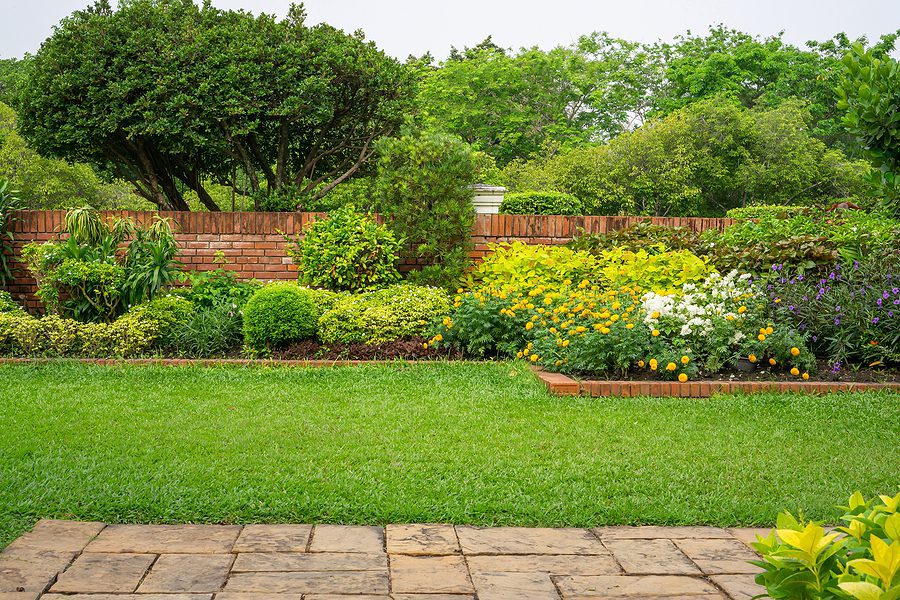
There is no single professional landscape-maintenance schedule that fits every Albuquerque home. A practical plan starts with a recurring service interval and then changes when the property, season, or workload changes. A compact xeriscaped yard may need a different cadence from a lawn-and-shrub property, while a mature landscape with trees, beds, turf, gravel, and multiple irrigation zones may need closer attention during active parts of the year.
R & S Landscaping currently offers regular, biweekly, monthly, bimonthly, and quarterly maintenance programs, as well as one-time cleanup service. Those options are useful because they allow the schedule to be matched to the property rather than forcing every yard onto the same calendar.
For homeowners, the best way to choose a frequency is to use three things together: a baseline cadence, seasonal adjustments, and visible signs from the property itself. If weeds, turf growth, debris, shrubs, or irrigation concerns consistently outpace the current interval, the schedule probably needs to be tightened. If the landscape is stable and growth has slowed, the same frequency may no longer be necessary.
Why There Is No Single Schedule for Every Albuquerque Yard
Professional landscape maintenance is not one task. The workload can include lawn mowing and edging, weed control, shrub or hedge trimming, debris removal, seasonal cleanup, and observation of the irrigation system. How quickly those needs return depends on what is growing on the property and what the homeowner expects the landscape to look like.
Albuquerque adds another variable: the workload changes noticeably through the year. Spring brings renewed growth, early weeds, windblown debris, and irrigation startup. Summer adds heat, active turf growth, irrigation demand, weeds, and monsoon storms. Fall can bring leaf accumulation and preparation for colder weather. Winter usually slows plant growth, but freezes, wind, debris, and irrigation protection can still require attention.
That is why a schedule that works well in May may be unnecessarily frequent in January—or not frequent enough after a summer storm or during a period of rapid growth.
A Practical Starting Point: Monthly, Biweekly or Seasonal?
Think of the initial service interval as a starting point, not a permanent rule. The right question is not simply, “How often should a landscaper come?” It is, “How long can this property go between visits before the workload begins to outgrow the level of maintenance I want?”
When Monthly Maintenance May Be Enough
Monthly service can be a reasonable starting point for a relatively stable property where growth, weeds, and debris remain manageable between visits. That may include some established xeriscaped properties, smaller yards, or homes where the owner handles light touch-up work between professional visits.
Monthly does not mean every possible task should be performed once a month. Some work is seasonal, some is performed as needed, and some repairs or larger projects may be outside the recurring maintenance scope.
When More Frequent Service May Make Sense
A shorter interval can make sense when turf grows quickly, shrubs or hedges need more regular shaping, weeds repeatedly become noticeable, mature trees create heavy debris, or the property has a consistently manicured appearance that is difficult to maintain with longer gaps.
More frequent service may also be useful during parts of the growing season even if the property does not need that same cadence all year. The point is to respond to workload rather than to keep an interval simply because it was chosen months earlier.
When Seasonal or Periodic Service May Be Enough
Some simple, established landscapes may need professional help primarily for periodic trimming, seasonal cleanup, irrigation checks, or heavier work the homeowner does not want to handle. That is different from a property that needs routine mowing, weed control, hedge work, and debris removal throughout the active season.
If long gaps repeatedly lead to overgrowth or a major cleanup, however, periodic service is probably no longer functioning as maintenance. At that point, a recurring plan may be easier to manage.
How Property Type Changes Maintenance Frequency
Three hypothetical Albuquerque homes show why a single schedule is not very useful. These are planning examples, not R & S Landscaping service prescriptions.
| Property Type | Typical Workload | A Longer Interval May Work When… | Increase Attention When… |
| Compact xeriscape | Weeds, windblown debris, shrub care, gravel appearance, drip observation | Plants are established, weeds stay controlled, and debris is light | Weeds spread, shrubs outgrow spaces, drip problems appear, or storms leave debris |
| Lawn + shrubs | Mowing, edging, weeds, shrub care, sprinkler observation | Turf growth is slow and the homeowner handles light work between visits | Grass outgrows the interval, edges become untidy, weeds accelerate, or irrigation coverage changes |
| Mature mixed landscape | Trees, lawn, shrubs, beds, gravel, multiple irrigation areas, seasonal debris | Growth and leaf/debris load are temporarily low | Trees drop heavily, beds fill with debris, shrubs grow quickly, or several landscape zones need attention |
Xeriscape deserves special attention here. New Mexico State University explains that xeriscape is not a “no maintenance” landscape. Its maintenance can still include pruning, removing windblown trash, occasional weeding, checking irrigation, and adjusting automatic irrigation as the seasons change. The design of the xeriscape determines how much labor it needs.
How Albuquerque’s Seasons Change the Maintenance Schedule
Spring: Growth, Weeds, Irrigation Startup and Windblown Debris
Spring is a transition from winter dormancy into active growth. Early weeds can appear quickly, lawns begin growing again, shrubs and perennials change, and strong winds can move leaves, trash, and plant debris into beds and gravel. Irrigation systems also return to active use.
This is a logical time to evaluate whether a winter service interval is still adequate. A property that stayed stable for weeks during colder weather may begin to look overdue much sooner once temperatures rise.
Summer: Turf, Heat, Irrigation Observation and Monsoon Response
Summer can create the year’s most demanding combination of active turf, heat stress, weeds, irrigation use, and storm response. A lawn-heavy property may need a different maintenance rhythm from a low-water xeriscape, and either can need an extra cleanup after wind or monsoon debris accumulates.
The maintenance schedule should also leave room to notice irrigation problems. A broken sprinkler, clogged drip emitter, leak, or coverage problem can matter more during hot weather, but diagnosing or repairing the system may be separate from routine landscape maintenance.
Fall: Leaves, Pruning Decisions and Winter Preparation
Fall workload depends heavily on the property. Homes with mature deciduous trees can accumulate substantial leaf and branch debris, while simpler xeriscapes may have far less cleanup. Irrigation use begins to decrease, and the landscape starts moving toward dormancy.
This is another point where a schedule may need a temporary adjustment. A property that was easy to maintain in late summer can suddenly need more cleanup when leaves begin falling.
Winter: Slower Growth, Freeze Awareness and Periodic Checks
Winter often reduces mowing, weed growth, and routine trimming, so some properties can move to a lighter cadence. That does not make the landscape maintenance-free. Windblown debris, freeze damage, exposed irrigation components, broken branches, and hardscape cleanup can still require attention.
The important distinction is that winter maintenance may be less frequent or simply different—not automatically unnecessary.
Albuquerque Seasonal Maintenance Rhythm
| Season | What Usually Changes | Watch for | Schedule Question |
| Spring | Growth resumes; irrigation starts; winds move debris | Early weeds, fast turf/shrub growth, irrigation issues | Is the winter interval now too long? |
| Summer | Heat, active irrigation, turf growth, monsoon storms | Weeds, dry spots, leaks, storm debris, rapid growth | Is the property outgrowing the current interval? |
| Fall | Leaf drop and seasonal transition | Leaves, branches, bed cleanup, irrigation changes | Does leaf/debris load justify extra visits? |
| Winter | Growth slows and freezes become more important | Wind debris, freeze effects, exposed irrigation, broken limbs | Can routine frequency be reduced without allowing problems to accumulate? |
Maintenance Visits Are Not the Same as Watering Frequency
This distinction is especially important in Albuquerque. The Albuquerque Bernalillo County Water Utility Authority’s 2026 Water by the Numbers program recommends watering once a week in March, twice a week in April and May, three times a week in June through August, twice a week in September and October, and once a week in November. It also prohibits spray irrigation between 11 a.m. and 7 p.m. from April 1 through October 31.
Those are irrigation guidelines, not instructions for how often a professional landscaping crew should visit. A homeowner might water three times in a summer week while professional maintenance occurs on a completely different schedule.
The Water Authority’s own landscape best-management-practice guidance reinforces the broader principle: irrigation management and horticultural maintenance should respond to the landscape as it changes. The system and the plants mature; the work should change with them.
7 Signs Your Current Maintenance Schedule Needs to Change
- Weeds repeatedly become established before the next visit.
- Lawn growth regularly outpaces the mowing interval during the active season.
- Shrubs or hedges lose their intended shape or obstruct walkways before service returns.
- Wind or monsoon debris accumulates faster than the current schedule removes it.
- Irrigation problems are going unnoticed for too long between checks.
- Seasonal leaf drop suddenly creates much more cleanup than normal.
- Winter dormancy or slower growth leaves the property consistently stable long before the next scheduled visit.
The first six signs point toward more attention or a temporary schedule increase. The last can justify reducing frequency, provided the property remains stable and important seasonal work is still handled.
When Routine Maintenance Turns Into a Yard Cleanup
Recurring maintenance works best when it prevents the property from reaching an overgrown or neglected condition. If weeds, branches, leaves, dead growth, storm debris, or brush have accumulated substantially, the next visit may no longer be routine.
R & S Landscaping offers both recurring maintenance and Albuquerque yard cleanup services. A one-time cleanup can reset a property, after which a recurring schedule can be chosen based on how quickly the workload returns.
This distinction also helps homeowners evaluate frequency. If a property repeatedly needs a major cleanup, the gap between maintenance visits may be too long for the level of appearance and control the homeowner wants.
How to Build a Maintenance Schedule for Your Albuquerque Home
Instead of choosing a schedule from the calendar first, start with the property. A simple process is:
- Inventory the landscape: lawn, xeriscape, shrubs, mature trees, beds, gravel, patios, walkways, drip irrigation, and sprinklers.
- Choose a baseline interval that matches the current workload and the level of appearance you want maintained.
- Watch what happens before the next two or three visits. Note weeds, turf growth, debris, shrub growth, and irrigation concerns.
- Adjust for the season. Spring and summer may create different demands than winter.
- Separate recurring work from major tree work, irrigation repair, installation, renovation, or one-time cleanup.
- Reevaluate after a new landscape is installed or after major changes to turf, plants, irrigation, or trees.
This approach produces a schedule that can evolve. It also avoids paying for an unnecessarily frequent visit during a slow period or waiting so long that ordinary maintenance turns into a larger cleanup.
Frequently Asked Questions
Can I Reduce Professional Landscape Maintenance in Winter?
Often, yes, if growth and debris are genuinely lower and the property remains stable. Some homes still need periodic attention for windblown debris, freeze effects, trees, hardscape areas, or irrigation winterization. Winter frequency should be based on the property rather than automatically stopping all maintenance.
Does a Newly Installed Landscape Need More Frequent Attention?
It may. New plants and newly configured irrigation can require closer observation while the landscape establishes. NMSU notes that xeric landscapes may need irrigation during their first years while root systems develop. The exact maintenance and watering schedule should follow the plants, irrigation design, weather, and installation recommendations.
How Often Should Weeds Be Addressed in an Albuquerque Yard?
There is no universal calendar interval. The practical goal is to address weeds before they spread or become a larger cleanup problem. Weed pressure changes with season, irrigation, soil disturbance, windblown seed, gravel or mulch coverage, and nearby open land.
Do Mature Trees and Shrubs Change Maintenance Frequency?
They can. Mature landscapes may produce more leaves, seed pods, branches, shade, pruning needs, and seasonal debris than a simple young landscape. Large or specialized tree work should be evaluated separately from ordinary recurring maintenance.
What Is the Difference Between Recurring Maintenance and Seasonal Yard Cleanup?
Recurring maintenance is ongoing care intended to keep the property under control. Seasonal or one-time cleanup addresses a larger accumulation of leaves, weeds, branches, dead growth, or debris. Cleanup can be part of an ongoing plan, but it is not the same thing as the routine visit interval.
Professional Landscape Maintenance in Albuquerque
The right maintenance frequency is the interval that keeps your particular landscape under control without treating every season and every property the same. For one home, that may mean a steady recurring plan. For another, it may mean closer attention during active growth and a lighter winter schedule.
R & S Landscaping is a full-service Albuquerque landscaping company serving residential and commercial properties in Central New Mexico. Its approved service materials include landscape maintenance, lawn care, irrigation installation and repair, xeriscaping, tree and shrub work, seasonal cleanup, and ongoing maintenance programs.
If you are unsure whether regular, biweekly, monthly, bimonthly, quarterly, or one-time service fits your property, review R & S Landscaping’s landscape maintenance service and have the yard evaluated. Call 505-271-8419 or request a landscaping quote to discuss a schedule built around your Albuquerque property.
Related R & S Landscaping Resources
- R & S Landscaping – Albuquerque landscaping
- Landscape maintenance in Albuquerque
- Albuquerque irrigation services
- Albuquerque xeriscaping
- Albuquerque yard cleanup
- Why Is Professional Yard Cleanup Important for Maintaining a Healthy Landscape?
- Can Yard Cleanup Help Prevent Weeds, Pests, and Plant Diseases?
- How Much Do Landscaping Services Cost in Albuquerque?
- Contact R & S Landscaping
- Request a landscaping quote
Research & Resource Verification
The external sources below were used to verify Albuquerque-specific watering guidance and New Mexico xeriscape-maintenance principles. Watering frequency is cited only as irrigation guidance and is not presented as a professional landscape-maintenance visit schedule.
- Albuquerque Bernalillo County Water Utility Authority – Water by the Numbers – Verified September 20, 2026. Used for the current 1-2-3-2-1 seasonal watering guidance and April 1-October 31 spray-irrigation time restriction.
- Albuquerque Bernalillo County Water Utility Authority – Water Smart Contractor – Used for landscape irrigation best-management-practice context, including the importance of horticultural practices, irrigation management, and thorough maintenance.
- New Mexico State University Cooperative Extension – Landscape Water Conservation: Principles of Xeriscape – Used to verify that xeriscape is not maintenance-free and that maintenance can include pruning, debris removal, weeding, irrigation checks, and seasonal controller adjustment.
Research and time-sensitive source verification completed September 20, 2026.
R & S Landscaping Inc | 505-271-8419 | rslandscapinginc.com