
Can Regular Yard Cleanup Increase My Home’s Curb Appeal and Property Value?
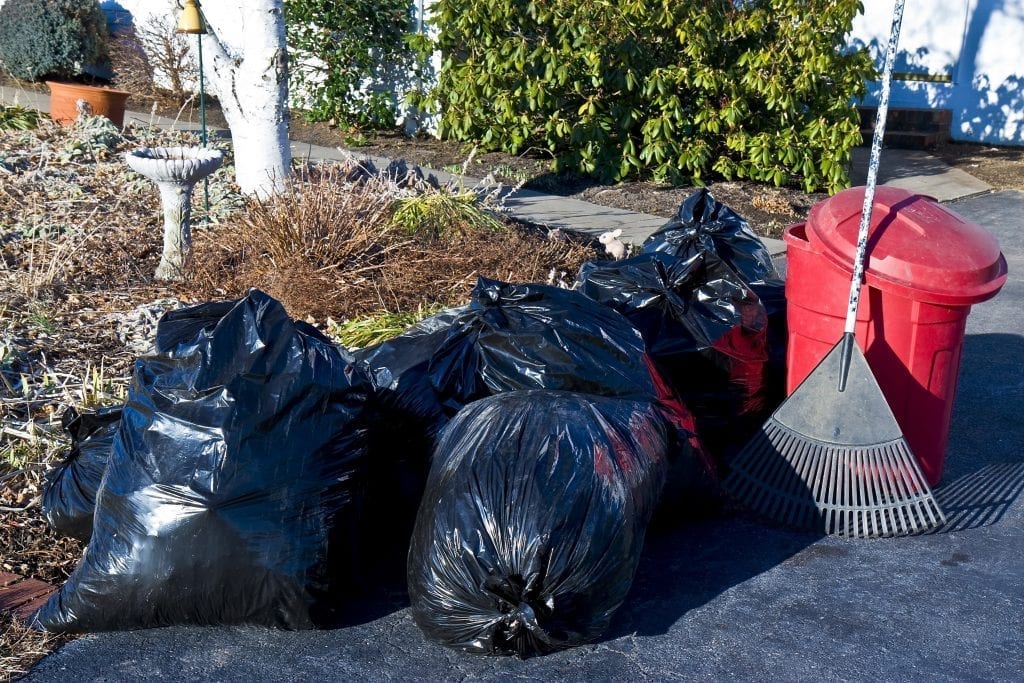
A homeowner, buyer, neighbor, or visitor often begins forming an opinion about a property before reaching the front door. The condition of the lawn, gravel, plants, walkways, trees, shrubs, and entryway helps shape that first impression.
When a yard contains tall weeds, dead plants, fallen branches, scattered gravel, overgrown shrubs, or visible irrigation problems, the entire home can appear neglected—even when the building itself is in good condition.
Regular yard cleanup is one of the quickest ways to improve the appearance of a property.
Yes. Regular yard cleanup can improve curb appeal and support property value by removing weeds, debris, dead plants, and overgrown vegetation. A clean, maintained landscape creates a stronger first impression, helps protect plants and hardscape features, and can make the entire property appear better cared for.
Cleanup alone cannot guarantee a specific increase in appraised or selling value. The home’s location, condition, market, size, and overall landscaping also matter. However, a clean and maintained exterior can improve buyer confidence, make listing photographs more attractive, protect an existing landscaping investment, and reduce the chance that visible neglect will lower interest in the property.
R & S Landscaping provides Landscape Design, Landscape Installation, seasonal cleanup, irrigation services, tree and shrub care, Xeriscaping, and Water-Efficient Landscaping throughout Albuquerque, Rio Rancho, and surrounding Central New Mexico communities. The company’s work is designed around New Mexico’s high-desert climate, including summer heat, wind, alkaline soils, clay, caliche, drought, winter freezes, and seasonal monsoon conditions.
Can Regular Yard Cleanup Improve Curb Appeal?
Regular cleanup can make a major visual difference because it restores order to the landscape.
A maintained yard usually has:
- Defined planting beds
- Clear walkways
- Trimmed shrubs
- Healthy-looking plants
- Controlled weeds
- Clean gravel or mulch
- Neat lawn edges
- Removed debris
- Visible house numbers
- An inviting entryway
No single cleanup task always transforms a property. The improvement usually comes from several small changes working together.
Removing weeds may reveal the shape of a gravel bed. Trimming shrubs can uncover windows and architectural details. Sweeping the walkway makes the entrance look more welcoming. Repairing a leaking sprinkler can eliminate mud, stains, and dead areas.
Together, those changes make the property appear intentional and cared for.
Can Yard Cleanup Increase Property Value?
Yard cleanup may support property value, but it is important to describe that benefit accurately.
A cleanup does not automatically add a fixed amount to an appraisal. It may not change the formal value of the home by itself.
Its strongest benefits often include:
- Improving buyer first impressions
- Making the property appear well maintained
- Helping real estate photographs look better
- Reducing visible signs of neglect
- Protecting existing plants and hardscape
- Preventing minor issues from becoming costly problems
- Making outdoor spaces feel more usable
- Reducing concern about future maintenance
- Helping buyers see the property’s potential
A neglected yard may lead a buyer to wonder what else has been overlooked. Overgrown landscaping, broken irrigation, dead plants, poor drainage, and debris can create the impression that the home may require more work than expected.
A clean yard sends a different message. It suggests that the property has received regular attention.
That perception can influence buyer interest, showing activity, offers, and the overall experience of viewing the home.
Why First Impressions Matter
The landscape frames the house.
Before someone evaluates flooring, appliances, roofing, plumbing, or interior finishes, they may already have noticed:
- Tall weeds
- Dead shrubs
- Broken branches
- Brown lawn areas
- Scattered leaves
- Windblown trash
- Faded mulch
- Gravel on sidewalks
- Plants covering windows
- Uneven borders
- Irrigation leaks
- Mud near the driveway
- Overgrown side yards
- A cluttered patio
These conditions can make a home appear older and harder to maintain.
The opposite is also true. A clean entryway, defined planting beds, healthy shrubs, visible walkways, and tidy decorative rock can make a modest landscape look much more attractive.
Curb appeal does not require an elaborate or expensive yard. It requires a landscape that looks organized, healthy, functional, and appropriate for the property.
Which Yard Cleanup Tasks Improve Curb Appeal Most?
Some cleanup tasks create a faster visual improvement than others.
Remove Weeds
Weeds are among the first signs of neglect that people notice.
They may appear:
- In decorative gravel
- Along curbs
- Between pavers
- Around shrubs
- In flower beds
- Near fences
- Along walkways
- In bare lawn areas
Weeds do more than create an untidy appearance. They compete with desirable plants for water, nutrients, light, and space.
In Albuquerque xeriscapes, weeds can spread through gravel and obscure the clean lines that make desert landscaping attractive.
Removing weeds restores definition and makes the original design easier to see.
The cause of repeated weed growth should also be considered. Windblown seeds, disturbed soil, excess irrigation, thin gravel coverage, and gaps in landscape fabric may all contribute.
Remove Leaves and Landscape Debris
Wind, storms, seasonal leaf drop, pruning, and normal outdoor activity can leave debris throughout a yard.
Common debris includes:
- Leaves
- Twigs
- Broken branches
- Grass clippings
- Pine needles
- Seed pods
- Trash
- Construction scraps
- Old plant containers
- Damaged landscape materials
Debris makes planting beds, patios, and walkways look disorganized. It may also block drainage, collect around structures, hide pests, and interfere with irrigation.
Removing debris is one of the simplest ways to make a yard look cleaner immediately.
This is particularly important in Albuquerque, where wind can move leaves, trash, mulch, and gravel across a property in a short time.
Trim Overgrown Shrubs
Shrubs help frame a home, soften hard surfaces, and provide color and structure. When they become overgrown, however, they can overpower the property.
Careful pruning can:
- Restore the plant’s natural shape
- Open views of the home
- Clear walkways
- Improve access to gates
- Keep plants away from windows
- Reveal address numbers
- Improve visibility around lighting
- Remove damaged branches
- Reduce crowding
Trimming should be selective. Cutting every shrub into a tight ball or square may create an unnatural appearance and damage plants that flower or grow best in a more natural form.
The timing and method should match the type of shrub.
Remove Dead Plants and Branches
Dead growth quickly lowers curb appeal.
A dead shrub, dry ornamental grass, or broken tree limb may make the yard look abandoned. Dead material can also create safety concerns, interfere with healthy growth, or attract pests.
Before replacing a plant, determine why it failed.
Possible causes include:
- Irrigation problems
- Poor drainage
- Incorrect planting depth
- Heat stress
- Freeze damage
- Unsuitable sun exposure
- Root damage
- Poor soil preparation
- Wrong plant selection
Replacing a dead plant without correcting the cause may lead to the same result.
Clean and Redefine Landscape Beds
Landscape beds lose definition over time.
Gravel shifts. Mulch fades. Weeds spread. Edges become unclear. Soil washes into walkways. Plants grow beyond their intended areas.
Cleanup may include:
- Raking decorative gravel
- Redistributing displaced rock
- Removing debris
- Redefining bed edges
- Replacing faded mulch
- Clearing volunteer plants
- Removing dead annuals
- Cleaning around trees and shrubs
- Correcting exposed irrigation tubing
These changes can make an older landscape appear more deliberate without requiring a complete redesign.
Clean Walkways and Hardscape
Walkways, patios, garden borders, retaining walls, driveways, and entry areas play a major role in curb appeal.
A yard may contain healthy plants but still look neglected if its hardscape is covered with:
- Dirt
- Leaves
- Gravel
- Grass clippings
- Mud
- Weeds
- Stains
- Debris
Sweeping, blowing, washing, edging, and removing weeds from joints can make these surfaces feel newer and more inviting.
Clean walkways also make the property safer and easier to navigate.
Edge and Mow Lawn Areas
Where lawns are present, clean edges create a strong visual boundary between grass and surrounding surfaces.
Edging helps separate the lawn from:
- Driveways
- Walkways
- Curbs
- Gravel
- Mulch
- Flower beds
- Patios
A freshly mowed lawn with uneven or overgrown edges may still look unfinished. Clean borders give the yard a more polished appearance.
Mowing height should be appropriate for the grass type and season. Cutting too short can stress turf, especially during Albuquerque’s hot summer weather.
Inspect the Irrigation System
Irrigation problems can quickly damage curb appeal.
A leaking sprinkler, broken pipe, clogged emitter, or poorly aimed spray head may create:
- Mud
- Standing water
- Dry spots
- Dead plants
- Uneven lawn growth
- Water stains
- Soil erosion
- Runoff
- Higher water bills
- Weeds in overwatered areas
Regular yard cleanup provides a good opportunity to inspect the Irrigation System.
R & S Landscaping provides sprinkler repair, Drip Irrigation repair, valve replacement, leak detection, controller troubleshooting, and seasonal system adjustments.
Before-and-After Impact of Common Cleanup Tasks
| Yard Condition | Cleanup Action | Curb Appeal Benefit |
| Weeds in gravel | Remove weeds and address problem areas | Cleaner, more intentional xeriscape |
| Overgrown shrubs | Use selective pruning | Better visibility and structure |
| Dead plants | Remove and replace when appropriate | Healthier, maintained appearance |
| Debris in beds | Rake and remove debris | Cleaner planting areas |
| Scattered gravel | Rake and redistribute | Restored landscape definition |
| Faded mulch | Refresh mulch | Improved color and moisture protection |
| Broken branches | Remove damaged growth | Safer, healthier trees and shrubs |
| Dirty walkways | Sweep or clean surfaces | More inviting entryway |
| Poor lawn edges | Edge lawn and beds | Sharper visual lines |
| Irrigation leaks | Repair damaged components | Healthier plants and less water waste |
How Regular Cleanup Protects a Landscape Investment
A well-designed landscape can represent a meaningful investment in a property.
Trees, shrubs, sod, irrigation, decorative gravel, patios, retaining walls, lighting, and outdoor living features all require care.
Regular cleanup helps protect:
- Trees
- Shrubs
- Lawns
- Native Plants
- Drip Irrigation
- Sprinkler systems
- Decorative gravel
- Mulch
- Garden beds
- Patios
- Walkways
- Retaining walls
- Lighting
- Drainage features
Neglect may contribute to:
- Dead plants
- Weed infestations
- Irrigation leaks
- Soil erosion
- Root damage
- Drainage problems
- Stained hardscape
- Overgrown shrubs
- Blocked walkways
- Pest activity
- More expensive renovation work
Cleanup is not only cosmetic. It often reveals developing problems.
Removing weeds may expose a broken drip line. Trimming a shrub may reveal that it is blocking a sprinkler head. Clearing leaves may uncover a drainage problem. Raking gravel may show where soil erosion is occurring.
Finding these conditions early may prevent a small problem from becoming a larger one.
Does Yard Cleanup Help When Selling a Home?
Yes. Yard cleanup can be especially useful before a property is photographed, listed, shown, appraised, or inspected.
Potential buyers often begin their evaluation from the street or driveway.
A clean front yard can help:
- Improve listing photographs
- Create a better arrival experience
- Make the home look maintained
- Reduce visible repair concerns
- Make outdoor spaces appear more usable
- Help buyers focus on the home instead of the cleanup work
- Support confidence in the property’s overall condition
Before listing a home, focus on the areas buyers are most likely to notice.
1. Front Entry
Clear the walkway, trim plants away from the door, remove debris, clean the porch, and make sure the house number is visible.
2. Driveway and Walkways
Sweep away gravel, leaves, weeds, and dirt. Repair obvious trip hazards when possible.
3. Lawn or Gravel Areas
Mow and edge turf. Rake decorative rock and remove weeds.
4. Shrubs Around the House
Trim plants away from windows, walkways, signs, and lighting.
5. Dead Plants
Remove plants that clearly will not recover. Replace them only after considering irrigation, soil, and seasonal conditions.
6. Visible Weeds
Remove weeds from the front yard, side yards, gravel, beds, and pavement joints.
7. Irrigation Leaks
Repair wet spots, overspray, broken heads, and damaged drip lines.
8. Backyard Entertaining Areas
Clean patios, seating areas, walkways, and outdoor living features.
9. Side Yards and Gates
These areas are easy to ignore but are often viewed during showings and inspections.
10. Debris Storage
Remove or organize old pots, unused materials, branches, hoses, and yard tools.
The goal is not to create an unrealistic landscape. It is to help buyers see a property that looks functional and manageable.
Is Yard Cleanup Enough, or Does the Property Need Renovation?
Not every neglected yard needs a complete Landscape Renovation.
A cleanup may be enough when:
- Plants are healthy but overgrown.
- Beds contain weeds and debris.
- Gravel has shifted.
- Shrubs need pruning.
- Walkways need cleaning.
- Mulch needs refreshing.
- Lawn edges are untidy.
- Irrigation needs minor repairs.
- The basic landscape design still functions.
Renovation may be a better choice when:
- Many plants are dead.
- The irrigation system repeatedly fails.
- Drainage problems are damaging the property.
- The lawn no longer suits the homeowner’s needs.
- Water use is excessive.
- Hardscape is damaged.
- The layout is outdated or impractical.
- Maintenance demands are too high.
- The property has no clear design.
- The homeowner wants Xeriscaping or a new outdoor living area.
Cleanup restores an existing design. Renovation changes the design or rebuilds failing parts of the landscape.
A professional property evaluation can help determine which approach offers the best long-term value.
How Often Should Yard Cleanup Be Performed?
There is no single schedule for every property.
Cleanup frequency depends on:
- Property size
- Number of trees
- Plant types
- Lawn area
- Wind exposure
- Weed pressure
- Season
- Irrigation performance
- HOA expectations
- Desired appearance
- Amount of foot traffic
- Nearby construction or open land
A practical general schedule may include:
- Light cleanup every few weeks during active growth
- Weed inspection monthly or as needed
- Shrub checks several times per year
- Spring cleanup
- Summer maintenance
- Fall cleanup
- Winter preparation
- Irrigation inspection at startup and during the watering season
A small xeriscaped yard may need less frequent attention than a large property with lawn, mature trees, hedges, flower beds, and outdoor living areas.
Regular light maintenance is usually easier than allowing debris and overgrowth to accumulate until a major cleanup is required.
Seasonal Yard Cleanup in Albuquerque
Albuquerque’s climate creates different cleanup needs throughout the year.
Spring Yard Cleanup
Spring is the time to remove winter debris and prepare the landscape for active growth.
Common tasks include:
- Removing leaves and broken branches
- Inspecting freeze damage
- Cutting back appropriate perennials
- Checking sprinklers and drip lines
- Removing early weeds
- Cleaning planting beds
- Refreshing gravel or mulch
- Preparing areas for new plants
- Inspecting drainage
- Testing the controller
Avoid assuming every brown plant is dead. Some perennials and ornamental grasses remain dormant until temperatures rise.
Summer Yard Cleanup
Summer maintenance focuses on heat, weeds, irrigation, and storm debris.
Tasks may include:
- Removing fast-growing weeds
- Checking for irrigation leaks
- Clearing monsoon debris
- Maintaining walkways
- Monitoring heat-stressed plants
- Removing damaged branches
- Checking emitters
- Adjusting irrigation schedules
- Keeping mulch and gravel away from plant crowns
Heavy pruning during extreme heat can stress some plants. The timing should match the species and condition of the plant.
Fall Yard Cleanup
Fall cleanup prepares the property for cooler weather.
Tasks may include:
- Removing leaves
- Cleaning beds
- Clearing damaged growth
- Removing spent annuals
- Inspecting trees after summer storms
- Reducing irrigation schedules
- Checking drainage
- Preparing sensitive plants
- Planning winter irrigation protection
- Cleaning patios and walkways
Fall is also a useful time to evaluate which areas of the landscape performed well during summer and which may need improvement.
Winter Yard Cleanup
Winter cleanup is generally lighter but still important.
Tasks may include:
- Removing windblown debris
- Clearing walkways
- Protecting sensitive plants
- Inspecting freeze damage
- Preparing exposed irrigation components
- Removing hazardous branches
- Maintaining entry areas
- Planning spring projects
Avoid unnecessary pruning before hard freezes when doing so may expose vulnerable growth.
Albuquerque Yard Cleanup Considerations
Landscaping in Central New Mexico requires local knowledge.
Windblown Debris
Albuquerque winds can redistribute leaves, trash, mulch, and lightweight gravel.
Properties near open areas or construction sites may collect more debris than yards in sheltered neighborhoods.
Summer Heat
Extreme heat can stress grass, shrubs, flowers, and newly installed plants. Cleanup work should not remove healthy foliage that protects plants from intense sunlight.
Monsoon Storms
Summer storms can drop branches, wash soil across walkways, move gravel, expose irrigation tubing, and create drainage problems.
Winter Freezes
Freeze damage may not be obvious immediately. Some plants need time before their condition can be evaluated accurately.
Clay, Alkaline Soil, and Caliche
Soil conditions affect drainage, root health, and plant performance. A yard that repeatedly develops dead plants or pooling water may need more than cleanup.
Water Conservation
Cleanup should support Water-Efficient Landscaping.
That may include:
- Repairing leaks
- Adjusting emitters
- Removing weeds
- Grouping plants by water needs
- Correcting overspray
- Using mulch appropriately
- Replacing unsuitable plants
- Considering Xeriscaping
Gravel-Heavy Landscapes
Decorative gravel is common in Albuquerque, but it still requires maintenance.
Rock may need to be:
- Raked
- Redistributed
- Cleared from sidewalks
- Separated from soil
- Supplemented in thin areas
- Cleared of weeds and debris
A xeriscape is lower maintenance than many traditional lawns, but it is not maintenance-free.
R & S Landscaping’s company standards emphasize designing and maintaining sustainable landscapes that conserve water and remain functional in New Mexico’s challenging climate.
DIY Yard Cleanup vs. Professional Cleanup
Many homeowners can perform routine cleanup themselves.
The right choice depends on the size, condition, complexity, and safety requirements of the property.
DIY Cleanup May Work Well When:
- The yard is small.
- Growth is manageable.
- Only light raking and weeding are needed.
- The homeowner owns the necessary tools.
- Debris disposal is manageable.
- There are no large branches or hazards.
- Irrigation is working correctly.
- The plants require only basic maintenance.
Professional Cleanup May Be Better When:
- The yard is heavily overgrown.
- Large shrubs need pruning.
- Trees have damaged branches.
- Large amounts of debris require hauling.
- Irrigation repair is needed.
- The property is being prepared for sale.
- Drainage problems are visible.
- The homeowner wants renovation recommendations.
- Professional equipment is needed.
- The work presents safety concerns.
R & S Landscaping uses professional equipment for seasonal cleanup, tree and shrub work, lawn care, irrigation troubleshooting, landscape renovation, and debris handling.
DIY vs. Professional Yard Cleanup
| Consideration | DIY Cleanup | Professional Cleanup |
| Best property size | Small to moderate | Any size |
| Direct expense | Usually lower | Higher initial expense |
| Labor | Homeowner provides the work | Crew completes the project |
| Equipment | Limited to available tools | Professional-grade equipment |
| Debris hauling | Homeowner responsibility | May be included |
| Irrigation evaluation | Limited | Professional troubleshooting available |
| Tree and shrub care | Basic | Experienced pruning and care |
| Landscape planning | Usually limited | Can include renovation recommendations |
| Best use | Routine light cleanup | Heavy overgrowth, sale preparation, major seasonal work |
Common Yard Cleanup Mistakes
Cleanup can damage a landscape when it is rushed or performed without considering plant health and irrigation.
Cutting Shrubs Too Severely
Heavy pruning can remove flowering wood, expose branches to sun damage, and permanently alter the plant’s form.
Removing Healthy Plants Unnecessarily
A dormant or stressed plant may not be dead. Evaluate it before removal.
Using Improper Pruning Tools
Dull or inappropriate tools can tear branches and create poor cuts.
Damaging Drip Tubing
Rakes, shovels, trimmers, and weed tools can cut exposed tubing.
Piling Mulch Against Tree Trunks
Mulch should not be packed against trunks or plant crowns. Excess moisture in these areas can cause problems.
Using Too Much Weed-Control Product
More product is not automatically better. Labels, plant sensitivity, weather, and application location matter.
Ignoring Irrigation Leaks
Cleanup does not solve the cause of mud, erosion, or dead areas if the Irrigation System remains damaged.
Removing Too Much Ground Cover
Mulch and suitable ground cover help conserve soil moisture and reduce erosion.
Pruning at the Wrong Time
Some shrubs flower on older growth. Others should not be pruned heavily before extreme heat or freezing weather.
Treating Cleanup as a Substitute for Renovation
A yard with failed drainage, widespread plant loss, broken irrigation, or an impractical layout may need more than surface-level cleanup.
Frequently Asked Questions
Can cleaning up a yard really increase property value?
A clean, maintained yard can support perceived property value and make a home more appealing to buyers. However, the exact financial effect depends on the market, location, overall home condition, and quality of the landscape.
What yard cleanup tasks improve curb appeal fastest?
Removing weeds, trimming overgrown shrubs, clearing debris, edging lawn areas, raking gravel, refreshing mulch, cleaning walkways, and repairing visible irrigation leaks usually create the fastest improvement.
Should I clean up my yard before selling my home?
Yes. Cleanup can improve listing photographs, first impressions, open-house presentation, and the appearance of outdoor spaces.
How often should a yard be cleaned?
Light cleanup may be needed every few weeks during active growth, with more thorough service during spring and fall. The best schedule depends on the property and season.
Does trimming shrubs improve curb appeal?
Yes. Proper trimming can reveal windows, clear walkways, restore plant shape, and improve the overall structure of the landscape.
Can overgrown landscaping lower home value?
Severe neglect may lower buyer interest or create concern about future maintenance costs. It may also hide irrigation, drainage, pest, or structural issues.
Is professional yard cleanup worth it?
Professional service may be worthwhile for large properties, heavy overgrowth, tree work, debris hauling, irrigation problems, sale preparation, or projects requiring specialized equipment.
What is included in a professional yard cleanup?
Depending on the property, services may include weed removal, pruning, debris removal, mowing, edging, bed cleanup, gravel or mulch maintenance, irrigation inspection, and recommendations for repairs or renovation.
Can yard cleanup reduce maintenance costs?
Regular cleanup can reveal irrigation leaks, dead plants, drainage problems, weeds, damaged branches, and hardscape issues before they become more expensive.
Is yard cleanup different from landscape maintenance?
Yard cleanup usually focuses on restoring order after debris or overgrowth has accumulated. Ongoing Landscape Maintenance provides repeated care intended to keep the property healthy and attractive.
Should dead plants always be replaced?
No. First determine why the plant died. Irrigation, soil, drainage, sun exposure, freeze damage, or incorrect plant selection may need to be addressed.
Can xeriscaping improve curb appeal?
Yes. A thoughtfully designed xeriscape can improve curb appeal while reducing water use and maintenance. Good design includes suitable plants, clear borders, attractive rock or mulch, and efficient Drip Irrigation.
Regular Cleanup Helps a Property Look Cared For
Regular yard cleanup can make a noticeable difference in curb appeal.
Removing weeds, debris, dead plants, broken branches, and overgrown growth helps restore visual order. Cleaning walkways, edging lawn areas, raking gravel, trimming shrubs, and repairing visible irrigation problems can make the entire home appear better maintained.
The value extends beyond appearance.
Cleanup helps protect:
- Plants
- Irrigation
- Hardscape
- Drainage
- Outdoor living areas
- Landscape materials
- The homeowner’s long-term investment
It may also reveal problems before they become more expensive.
While cleanup cannot guarantee a specific increase in appraisal or sale price, it can support buyer confidence, strengthen first impressions, improve listing photographs, and prevent visible neglect from lowering the perceived condition of the property.
Improve Your Property’s Curb Appeal With R & S Landscaping
If weeds, debris, overgrown shrubs, damaged plants, irrigation problems, or neglected beds are affecting your property’s appearance, R & S Landscaping can help evaluate the yard and recommend the right level of service.
R & S Landscaping provides:
- Landscape Maintenance
- Seasonal Cleanup
- Tree Trimming
- Shrub Trimming
- Weed Control
- Lawn Care
- Irrigation Repair
- Sprinkler Repair
- Drip Irrigation
- Decorative Rock Installation
- Mulching
- Xeriscaping
- Landscape Design
- Landscape Installation
- Complete Landscape Renovations
The company serves Albuquerque, Rio Rancho, Corrales, Los Ranchos de Albuquerque, Bernalillo, Placitas, and surrounding Central New Mexico communities.
Call R & S Landscaping at (505) 271-8419 to schedule yard cleanup or a landscape evaluation.
Let an experienced Albuquerque landscaping team help restore your yard, protect your landscape investment, and create a cleaner, more attractive property designed for New Mexico’s high-desert climate.