
Can Yard Cleanup Help Prevent Weeds, Pests, and Plant Diseases?
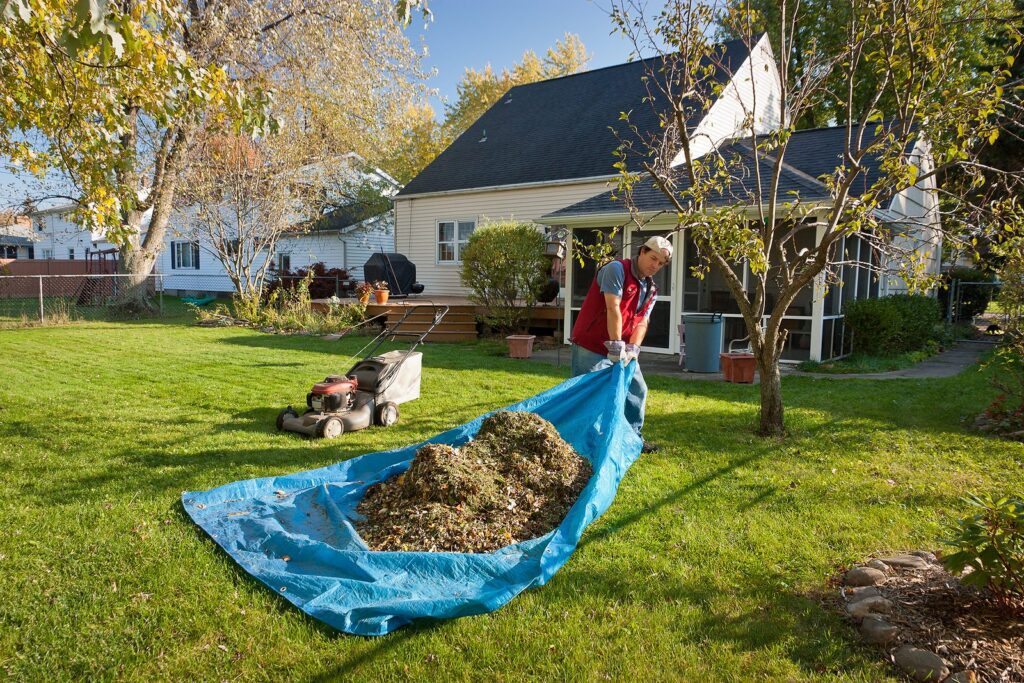
Yard cleanup is often viewed as a cosmetic service. Removing weeds, leaves, dead branches, and debris certainly makes a property look cleaner, but those tasks can also support the long-term health of the landscape.
An overgrown or neglected yard may contain weed seeds, fallen fruit, dead plant material, damp leaves, broken branches, standing water, and dense areas where problems are difficult to see. These conditions can make it easier for weeds to spread, provide shelter or food for certain pests, and increase the risk of some plant diseases.
Yes. Yard cleanup can help reduce weeds, pests, and plant diseases by removing weed seeds, fallen leaves, dead plants, diseased branches, standing debris, and other material that may shelter insects or hold excess moisture. Yard cleanup works best when combined with proper irrigation, pruning, mulching, drainage, suitable plant spacing, and regular landscape inspections.
Yard cleanup is an important preventive measure, but it is not a complete cure for every problem. A recurring weed infestation may be connected to bare soil or leaking irrigation. Plant decline may be caused by poor drainage, unsuitable soil, root damage, or incorrect watering. Established rodents or serious insect infestations may require help from a qualified pest-control provider.
The goal of yard cleanup is to remove favorable conditions, reveal developing problems, and make the landscape easier to maintain.
R & S Landscaping provides yard clean up, Landscape Maintenance, seasonal yard cleanup, weed control, tree and shrub care, irrigation services, Xeriscaping, and complete Landscape Renovations throughout Albuquerque, Rio Rancho, and surrounding Central New Mexico communities. Its landscaping approach accounts for New Mexico’s high elevation, alkaline soils, clay and caliche, summer heat, wind, winter freezes, drought, and seasonal monsoon conditions.
Can Yard Cleanup Really Prevent Weeds, Pests, and Disease?
Regular yard cleanup can lower the risk of many landscape problems by removing materials and conditions that help those problems develop.
Yard Cleanup may remove:
- Young weeds
- Weed seeds
- Diseased leaves
- Dead annuals
- Damaged branches
- Fallen fruit
- Seed pods
- Dense leaf piles
- Wet debris
- Overgrown vegetation
- Unused containers
- Wood and landscape clutter
- Standing water
A cleaner yard is also easier to inspect. It is difficult to spot a leaking drip line, diseased stem, rodent opening, or newly emerging weed when the area is hidden beneath debris or dense growth.
However, yard cleanup works best as one part of a broader landscape maintenance plan.
Lasting prevention may also require:
- Correct irrigation scheduling
- Irrigation repair
- Healthy soil
- Good drainage
- Appropriate plant selection
- Proper spacing
- Selective pruning
- Mulch management
- Seasonal inspections
- Targeted treatment when a problem is confirmed
How Yard Cleanup Helps Prevent Weeds
Weeds reproduce and spread in several ways.
Depending on the species, they may spread through:
- Seeds
- Roots
- Underground stems
- Runners
- Wind
- Birds and animals
- Irrigation water
- Disturbed soil
- Imported soil or mulch
- Lawn and landscape equipment
A single mature weed may produce many seeds. Those seeds can remain in the soil or become trapped among gravel, leaves, mulch, and cracks in hardscape.
Removing weeds before they flower and produce seed is therefore one of the most useful preventive steps.
Yard cleanup can help by:
- Removing young weeds before they become established
- Reducing the number of seeds returned to the soil
- Clearing organic debris that traps moisture and seeds
- Revealing leaks that support excessive weed growth
- Restoring mulch or gravel coverage
- Reestablishing borders between lawns and planting beds
- Making new weeds easier to identify and remove
Cleanup will not remove every dormant seed already present in the soil, but it can reduce the number of weeds allowed to mature and reproduce.
Which Yard Cleanup Tasks Reduce Weed Growth?
Several routine tasks can make weed management more effective.
Pull Weeds Before They Produce Seed
Timing matters.
Small weeds are generally easier to remove than mature plants with deep roots or seed heads. Waiting until weeds have flowered may allow them to spread even after they are pulled.
Frequent inspections during active growth can prevent a minor problem from becoming widespread.
Remove Roots When Possible
Some weeds grow back from roots, runners, bulbs, or other underground structures.
Breaking off the top may improve appearance temporarily but may not stop regrowth.
The correct removal method depends on the weed and where it is growing. Care is especially important around irrigation tubing and the roots of desirable plants.
Clean Gravel and Mulch Beds
Decorative rock and mulch reduce weed growth, but they do not eliminate it.
Leaves, dust, soil, and other organic material can collect between rocks. Over time, this creates a shallow growing layer where windblown seeds can sprout.
Raking gravel, removing debris, maintaining suitable coverage, and correcting irrigation leaks can make these beds less favorable to weeds.
Restore Landscape Borders
Weeds and turf can spread between:
- Lawns
- Flower beds
- Gravel areas
- Walkways
- Shrub beds
- Garden borders
Clear edges make the landscape look better and help slow unwanted growth from crossing into nearby areas.
Repair Irrigation Leaks
A persistent patch of weeds may indicate excess moisture.
Broken sprinkler heads, leaking valves, damaged Drip Irrigation tubing, or poor controller programming can keep one area wetter than the surrounding landscape.
Removing the weeds without repairing the water source usually provides only temporary improvement.
Maintain Mulch Correctly
Mulch can block light and reduce the number of weed seeds that germinate. It also helps moderate soil temperature and reduce evaporation.
Mulch should not be piled against tree trunks, shrub stems, or plant crowns. Excess mulch may hold too much moisture and contribute to plant problems.
How Yard Debris Can Attract Pests
Many pests are drawn to yards that provide food, moisture, shade, or undisturbed shelter.
Potential hiding places and food sources include:
- Leaf piles
- Fallen fruit
- Dead branches
- Wood stacks
- Dense weeds
- Overgrown groundcover
- Old containers
- Trash
- Unused materials
- Wet mulch
- Standing water
- Debris along walls
- Clutter beneath shrubs
Removing these materials does not guarantee that pests will disappear, but it can make the property less inviting.
Regular yard cleanup also reduces the number of concealed areas where activity can go unnoticed.
Which Pests May Benefit From a Neglected Yard?
Different pests prefer different conditions.
Ants
Some ants build nests in soil, beneath rocks, along edges, or near reliable food and moisture sources. Yard cleanup may reduce food debris and reveal nesting activity.
Cockroaches and Earwigs
Damp, protected areas beneath leaves, boards, containers, and thick debris may provide shelter.
Spiders
Spiders are often beneficial because they feed on other insects. Dense clutter and undisturbed corners may increase the number of places where webs can be built.
The presence of spiders does not automatically mean the yard is unhealthy.
Beetles and Grubs
Some beetles and larvae live in soil, decaying wood, turf, or organic debris. Not all are harmful, but damaged or dead wood should be inspected.
Mosquitoes
Mosquitoes require standing water for reproduction. Water collecting in buckets, pots, blocked drains, low areas, or irrigation leaks should be eliminated.
Rodents
Dense weeds, fallen fruit, stored materials, wood piles, and debris may provide food or shelter.
Yard cleanup may reduce favorable conditions, but established rodent activity usually requires evaluation by a qualified pest-control professional.
Snails and Slugs
These pests prefer moist, shaded areas. They are more likely to be found where irrigation, dense foliage, mulch, or debris keeps the ground wet.
Plant-Feeding Insects
Some insects feed directly on leaves, stems, roots, or plant fluids. Yard cleanup may remove damaged plant material and improve inspection access, but the insect and plant should be identified before treatment is considered.
Not every insect is a pest. Pollinators, predators, and many soil organisms provide important benefits. Yard maintenance should focus on confirmed problems rather than eliminating all insect activity.
How Yard Cleanup Helps Reduce Plant Disease Risk
Plant disease may be caused by fungi, bacteria, viruses, environmental stress, or a combination of factors.
Yard cleanup can reduce disease pressure when it removes infected material or corrects conditions that keep plants crowded and wet.
Potential risk factors include:
- Diseased leaves left beneath plants
- Infected branches
- Rotten fruit
- Dead annuals
- Crowded shrubs
- Poor airflow
- Wet soil
- Repeatedly wet foliage
- Poor drainage
- Unclean pruning tools
- Overwatering
- Injured stems and branches
Different diseases behave differently, so yard cleanup cannot be described as a universal cure.
It is most useful as a preventive and supportive practice.
Why Removing Diseased Plant Material Matters
Some plant problems can continue or return when infected material remains in the landscape.
Material that may need removal includes:
- Spotted or severely damaged leaves
- Infected twigs
- Dead branches
- Rotten fruit
- Diseased annual plants
- Damaged stems
- Dead shrubs
- Plant material with obvious decay or fungal growth
Before disposing of material, try to determine whether the problem is actually disease.
Brown leaves may result from:
- Heat stress
- Freeze damage
- Drought
- Overwatering
- Salt buildup
- Root injury
- Poor soil
- Transplant stress
- Natural seasonal decline
Not every damaged leaf is infectious.
When serious disease is suspected, avoid spreading debris through healthy planting areas. Clean pruning tools between affected plants, and do not automatically place questionable material in a home compost pile.
The appropriate disposal method depends on the plant, disease, and local guidance.
How Pruning Improves Airflow and Plant Health
Crowded plants may stay wet longer after irrigation or rainfall. Dense growth also makes it harder to inspect branches, stems, and soil.
Selective pruning may:
- Improve airflow
- Allow better light penetration
- Reduce crowded growth
- Remove damaged branches
- Shorten the time leaves remain wet
- Improve access for inspection
- Keep plants away from structures
- Reduce dense shelter near the ground
Pruning must be performed correctly.
Common mistakes include:
- Removing too much living growth
- Topping trees
- Shearing every shrub into a tight shape
- Pruning during the wrong season
- Making poor cuts
- Using dirty tools
- Removing protective foliage before extreme heat
- Cutting away flowering wood at the wrong time
The goal is not to make every plant smaller. It is to remove unhealthy, damaged, or poorly positioned growth while preserving the plant’s natural structure.
How Irrigation Affects Weeds, Pests, and Plant Disease
Irrigation problems are frequently connected to weed growth and declining plant health.
Possible issues include:
- Overwatering
- Broken sprinkler heads
- Leaking valves
- Damaged drip lines
- Water running against foundations
- Poor controller programming
- Standing water
- Clogged emitters
- Uneven pressure
- Repeatedly wet leaves
- Watering empty soil
- Dry and saturated areas within the same zone
Too much water can encourage weeds, keep mulch and debris damp, contribute to root problems, and create favorable conditions for some diseases.
Too little water weakens plants and makes them less able to tolerate heat, insects, or other stress.
The goal is not simply to water less. It is to apply the right amount of water to the correct root zone at an appropriate interval.
R & S Landscaping provides sprinkler repair, Drip Irrigation repair, valve replacement, leak detection, controller troubleshooting, and seasonal system adjustments as part of its professional irrigation services.
Signs Irrigation May Be Contributing to Landscape Problems
Watch for:
- Heavy weeds in one isolated area
- Mud or standing water
- Mushrooms or fungal growth
- Constantly wet mulch
- Yellowing plants
- Soft or declining stems
- Water running onto pavement
- Mosquito activity near pooled water
- Dead plants beside saturated soil
- Dry and wet areas within one zone
- Erosion near emitters
- Sprinkler overspray
- High water bills
These signs do not prove a specific disease or pest problem, but they indicate that the Irrigation System should be inspected.
Yard Cleanup Tasks That Support Plant Health
A useful yard cleanup routine may include the following steps:
- Remove weeds before they produce seed.
- Clear fallen leaves and seed pods.
- Remove dead or damaged branches.
- Collect fallen fruit.
- Thin overcrowded shrubs appropriately.
- Clean planting beds.
- Inspect and repair irrigation leaks.
- Clear drainage paths.
- Refresh mulch correctly.
- Rake and redistribute decorative gravel.
- Inspect trees and shrubs for damage.
- Clean pruning and gardening tools.
- Remove unused containers and clutter.
- Eliminate standing water.
- Recheck the landscape after yard cleanup.
The final inspection matters because yard cleanup may reveal problems that were previously hidden.
Common Yard Conditions and Prevention Steps
| Yard Condition | Potential Problem | Cleanup Action | Additional Correction |
| Seed-producing weeds | Continued weed spread | Remove before seeds mature | Restore mulch, gravel, or targeted control |
| Leaf piles | Moisture and pest shelter | Rake and remove | Improve airflow and drainage |
| Fallen fruit | Insects and rodents | Collect promptly | Maintain fruiting plants |
| Dead branches | Shelter and plant health concerns | Remove properly | Evaluate tree or shrub health |
| Dense shrubs | Poor airflow | Use selective pruning | Improve spacing when necessary |
| Standing water | Mosquitoes and root problems | Remove water source | Repair irrigation or drainage |
| Wet mulch against trunks | Rot and pest activity | Pull mulch away | Correct watering |
| Diseased leaves | Continued disease pressure | Remove appropriately | Identify and address the cause |
| Leaking drip line | Weeds and excess moisture | Repair tubing | Adjust irrigation schedule |
| Overwatered bed | Weeds and plant decline | Reduce excess water | Improve soil or drainage |
How Mulch Helps Prevent Weeds
Mulch can be a useful part of weed prevention when it is installed and maintained properly.
Benefits may include:
- Blocking light from weed seeds
- Reducing evaporation
- Moderating soil temperature
- Protecting soil
- Improving bed appearance
- Reducing erosion
Mulch should be kept at a suitable depth and pulled back from trunks, stems, and plant crowns.
Too little mulch may not provide much weed suppression. Too much can hold excessive moisture, hide irrigation problems, and interfere with plant health.
Older mulch may also break down and mix with soil. Periodic inspection helps determine whether it should be refreshed, redistributed, or partially removed.
Can Decorative Gravel Prevent Weeds?
Decorative gravel can reduce weed growth, but it does not create a weed-proof landscape.
Weeds may still grow because of:
- Windblown seeds
- Organic debris between rocks
- Thin rock coverage
- Soil deposited by wind
- Damaged landscape fabric
- Irrigation leaks
- Birds and animals
- Seeds already present in the soil
A gravel landscape still needs:
- Raking
- Debris removal
- Spot weeding
- Irrigation inspection
- Edge maintenance
- Occasional rock redistribution
In Albuquerque, wind can move both lightweight debris and smaller gravel. Dust and organic matter may accumulate between rocks, gradually creating conditions where weeds can establish.
Seasonal Cleanup for Weed, Pest, and Disease Prevention
Each season creates different maintenance needs in Central New Mexico.
Spring Cleanup
Spring yard cleanup prepares the landscape for active growth.
Tasks may include:
- Removing winter debris
- Inspecting freeze damage
- Removing early weeds
- Cutting back appropriate dormant growth
- Cleaning tools
- Testing irrigation
- Inspecting drainage
- Pruning suitable plants
- Clearing dead annuals
- Refreshing mulch or gravel
Do not assume every brown plant is dead. Some plants remain dormant until temperatures consistently warm.
Summer Cleanup
Summer maintenance focuses on weeds, irrigation, heat, and monsoon storms.
Tasks may include:
- Removing weeds before they seed
- Inspecting irrigation leaks
- Checking emitters
- Clearing storm debris
- Removing fallen fruit
- Eliminating standing water
- Monitoring heat-stressed plants
- Cleaning wet debris from dense beds
- Adjusting irrigation schedules
Avoid unnecessary heavy pruning during extreme heat when removing foliage could expose branches or stems to sun damage.
Fall Cleanup
Fall yard cleanup reduces debris and prepares the landscape for cooler weather.
Tasks may include:
- Removing fallen leaves
- Clearing seed pods
- Collecting fruit
- Removing spent annuals
- Cleaning planting beds
- Inspecting storm-damaged branches
- Reducing irrigation schedules
- Preparing sensitive plants
- Checking drainage
- Planning winterization
Winter Cleanup
Winter yard cleanup is usually lighter but still valuable.
Tasks may include:
- Removing windblown debris
- Clearing walkways
- Monitoring freeze damage
- Removing hazardous branches
- Protecting exposed irrigation components
- Keeping mulch away from trunks
- Planning spring repairs and planting
Albuquerque-Specific Yard Cleanup Concerns
Landscapes in Albuquerque face a combination of dry air, strong sunlight, wind, summer heat, winter freezes, alkaline soil, clay, caliche, and seasonal monsoon rainfall.
These conditions affect how weeds, pests, and plant diseases develop.
Windblown Weed Seeds
Wind can carry weed seeds and organic debris into gravel, mulch, planting beds, and pavement cracks.
Regular removal reduces the material available for new growth.
Summer Heat
Heat can stress plants and dry exposed soil quickly. Stressed plants may become more vulnerable to damage, but overwatering in response may create additional problems.
Monsoon Moisture
Rain can be beneficial, but heavy storms may create temporary standing water, wash soil into beds, expose drip tubing, move gravel, and damage branches.
Winter Freeze Damage
Freeze-damaged growth should be evaluated before removal. Some plants may recover, while others may need selective pruning or replacement.
Alkaline and Clay Soils
Poor drainage and compacted soil can keep some areas wet even in a dry climate. Yard cleanup alone will not correct soil or grading problems.
Gravel-Heavy Landscapes
Xeriscaped yards still require maintenance. Gravel can collect weed seeds, dust, leaves, and irrigation runoff.
R & S Landscaping designs, installs, repairs, and maintains landscapes specifically for New Mexico conditions, including water-efficient planting, Xeriscaping, irrigation improvements, drainage solutions, and ongoing maintenance.
How Often Should a Yard Be Cleaned?
There is no single schedule that fits every property.
Frequency depends on:
- Number of trees
- Weed pressure
- Property size
- Plant density
- Irrigation condition
- Wind exposure
- Season
- Mulch or gravel coverage
- Pest activity
- Plant health concerns
- Nearby open land or construction
A practical approach may include:
- Inspecting the yard every few weeks during active growth
- Removing weeds before they produce seed
- Collecting fallen fruit promptly
- Addressing standing water immediately
- Performing larger yard cleanups in spring and fall
- Inspecting after high winds and monsoon storms
- Checking irrigation throughout the watering season
Regular light yard cleanup is usually easier than allowing weeds and debris to accumulate until the property requires major restoration.
DIY Yard Cleanup vs. Professional Cleanup
Many routine yard cleanup tasks can be handled by homeowners.
DIY service may be reasonable when:
- Weeds are limited.
- Debris is manageable.
- Plants need only light pruning.
- No large branches are involved.
- Irrigation is functioning correctly.
- The homeowner has suitable tools.
- Debris disposal is simple.
Professional yard cleanup may be more appropriate when:
- The property is heavily overgrown.
- Weeds are widespread.
- Large shrubs require pruning.
- Trees have broken or hazardous branches.
- Plant decline is recurring.
- Irrigation leaks are present.
- Drainage is poor.
- Large amounts of debris require hauling.
- Professional equipment is needed.
- The property requires Landscape Renovation.
R & S Landscaping uses professional equipment for seasonal yard cleanup, tree and shrub work, lawn maintenance, irrigation troubleshooting, debris handling, and complete landscape projects.
DIY vs. Professional Cleanup
| Consideration | DIY Cleanup | Professional Cleanup |
| Light weeds | Often manageable | Available when needed |
| Heavy overgrowth | Time-consuming | Better suited to trained crews |
| Plant diagnosis | Limited | Landscape evaluation available |
| Irrigation problems | May be overlooked | Can be inspected and repaired |
| Tree work | Limited by safety | Professional equipment and experience |
| Debris hauling | Homeowner responsibility | May be included |
| Disease concerns | Easy to misidentify | Can determine when specialist input is needed |
| Landscape renovation | Limited | Design and installation options available |
Common Yard Cleanup Mistakes
Yard cleanup may cause additional problems when it is performed without a plan.
Letting Weeds Produce Seed
Waiting too long allows the next generation of weeds to spread.
Leaving Perennial Roots Behind
Removing only the visible top may allow some weeds to regrow.
Composting Questionable Diseased Material
Some infected material may survive ordinary composting conditions. Identify the problem before adding it to a pile.
Pruning Too Aggressively
Excessive pruning weakens plants and may expose them to heat or freeze damage.
Using Dirty Tools
Pruning tools may spread pathogens between plants if they are not cleaned appropriately.
Piling Mulch Against Trunks
Constant moisture against bark and stems may contribute to rot and pest activity.
Overwatering After Cleanup
A freshly cleaned bed does not necessarily require more water. Irrigation should match the plants, soil, and weather.
Ignoring Standing Water
Standing water may indicate irrigation, drainage, or grading problems.
Damaging Drip Tubing
Rakes, shovels, trimmers, and weed-removal tools can puncture exposed tubing.
Blowing Debris Into Other Beds
Moving potentially diseased leaves or weed seeds from one area to another defeats the purpose of yard cleanup.
Treating Every Insect as Harmful
Many insects are beneficial. Identify the problem before considering control.
Treating Cleanup as a Complete Solution
Recurring weeds, plant decline, drainage trouble, or pest activity usually has an underlying cause that must also be addressed.
When Cleanup Alone Is Not Enough
Additional help may be required when the property has:
- Severe insect infestation
- Established rodent activity
- Repeated plant disease
- Widespread tree decline
- Root rot
- Poor drainage
- Serious irrigation failure
- Invasive weeds
- Hazardous trees
- Structural damage
- Possible contamination
- Problems requiring regulated treatment
R & S Landscaping can assist with landscape maintenance, irrigation repair, drainage, tree and shrub care, planting, and renovation.
A certified arborist, plant pathologist, extension specialist, or licensed pest-control provider may be needed for problems outside normal landscaping services.
Frequently Asked Questions
Can removing leaves help prevent plant diseases?
Yes. Removing infected or decaying leaves may reduce some disease pressure and improve conditions around plants. The benefit depends on the specific plant and disease.
Does yard debris attract pests?
It can. Leaves, fallen fruit, wood, clutter, and wet debris may provide food, moisture, shelter, or nesting areas.
Does pulling weeds prevent them from returning?
Removing weeds before they produce seed can reduce future growth. Some perennial weeds may return if roots or underground structures remain.
Can mulch prevent weeds?
Properly installed mulch can suppress many weeds by blocking sunlight. It will not stop every weed and should not be piled against trunks or stems.
Does decorative gravel stop weeds?
No. Gravel can reduce weed growth, but seeds, dust, organic debris, thin coverage, and irrigation leaks may still allow weeds to grow.
Can overwatering cause plant diseases?
Yes. Excess water and poor drainage may contribute to root problems, fungal growth, and plant decline.
Should diseased leaves be composted?
That depends on the disease and composting process. Material suspected of carrying serious disease may need separate disposal.
Can pruning reduce plant disease?
Selective pruning can improve airflow and remove damaged or infected branches. Poor pruning or unclean tools may spread problems.
How often should I clean my yard?
Inspect the yard every few weeks during active growth and plan larger yard cleanups in spring and fall. Remove standing water, fallen fruit, and seed-producing weeds promptly.
Can yard cleanup eliminate insects?
No. Yard cleanup may reduce food and shelter, but it will not eliminate every insect. Many insects are beneficial.
When should I hire a professional?
Professional help is useful for heavy overgrowth, widespread weeds, large branches, recurring plant decline, irrigation leaks, drainage problems, and yard cleanup requiring specialized equipment.
Can cleanup discourage rodents?
Yard cleanup may make the property less attractive by removing shelter, fallen fruit, dense weeds, and clutter. Established rodents may require a qualified pest-control provider.
A Cleaner Yard Can Be a Healthier Yard
Regular yard cleanup does more than improve appearance.
It can reduce weed seeds, remove young weeds, eliminate damp debris, clear pest hiding places, improve airflow, and remove some diseased or dead plant material.
Yard cleanup also makes it easier to spot:
- Irrigation leaks
- Standing water
- Plant decline
- Broken branches
- Drainage problems
- New weed growth
- Insect activity
- Damaged Drip Irrigation tubing
The most effective prevention strategy combines cleanup with correct watering, healthy soil, appropriate plants, good drainage, proper pruning, mulch management, and regular inspections.
Cleanup cannot prevent every weed, insect, or disease. It can, however, make the landscape less favorable to many problems and help homeowners respond sooner when issues appear.
Protect Your Landscape With R & S Landscaping
If weeds, overgrown shrubs, dead plants, irrigation leaks, standing water, or accumulated debris are affecting your property, R & S Landscaping can evaluate the yard and recommend the right level of yard cleanup, maintenance, repair, or renovation.
R & S Landscaping provides:
- Seasonal Yard Cleanup
- Landscape Maintenance
- Weed Control
- Tree Trimming
- Shrub Trimming
- Lawn Care
- Irrigation Repair
- Sprinkler Repair
- Drip Irrigation
- Drainage Solutions
- Mulching
- Decorative Rock Installation
- Plant Replacement
- Xeriscaping
- Landscape Design
- Landscape Installation
- Complete Landscape Renovations
The company serves Albuquerque, Rio Rancho, Corrales, Los Ranchos de Albuquerque, Bernalillo, Placitas, and surrounding Central New Mexico communities.
Call R & S Landscaping at (505) 271-8419 to schedule yard cleanup or professional landscape evaluation.
Let an experienced Albuquerque landscaping team help you create a cleaner, healthier, and more Water-Efficient Landscape designed for New Mexico’s high-desert climate.