
Why Is My Drip Irrigation Losing Pressure at the End?
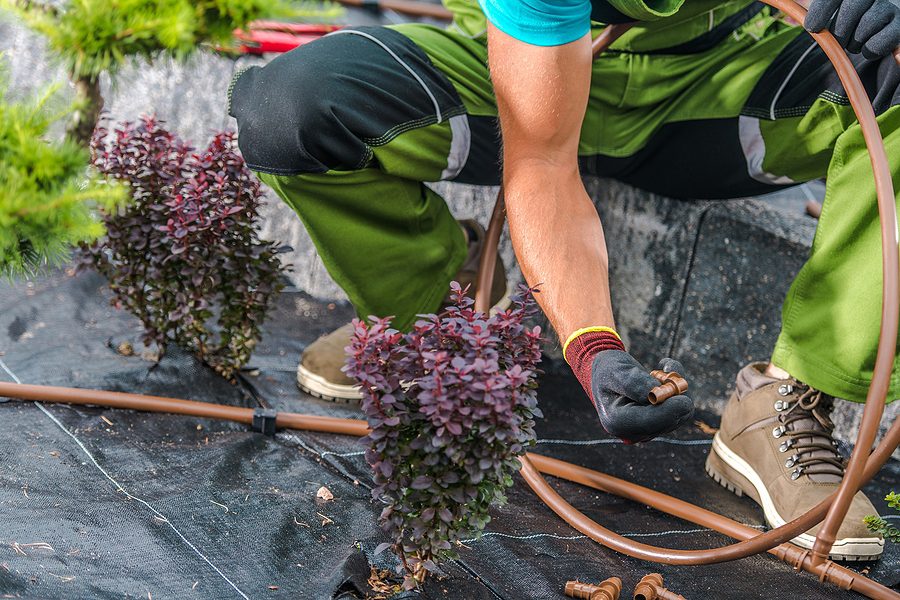
When a drip irrigation system starts performing poorly, it usually doesn’t fail all at once. The most common symptom homeowners notice is simple but frustrating: plants at the beginning of the line look fine, while plants at the far end are barely getting water at all.
This is one of the most common issues seen in drip irrigation systems across Albuquerque and surrounding communities, and it almost always develops gradually. A system that once worked evenly can slowly begin to lose performance as small inefficiencies build up across tubing, fittings, filters, and emitters.
In most cases, low water pressure at the end of a drip line is not caused by a single failure. It is the result of multiple small factors working together—friction loss, system length, partial clogs, pressure regulation issues, or design limitations that only become noticeable over time.
Understanding how those factors interact is the key to diagnosing and fixing the problem correctly instead of simply adding more water or replacing random components.
How Water Pressure Works in a Drip Irrigation System
Drip irrigation works differently than sprinkler systems. Instead of spraying water under high pressure, it delivers water slowly and consistently through emitters placed along tubing. That makes the system extremely efficient, but also more sensitive to pressure loss.
There are two concepts that matter most: pressure and flow.
Pressure is the force pushing water through the system. Flow is the amount of water actually moving through the tubing and out of the emitters. A system can technically have “good pressure” at the source but still deliver poor flow at the end of a long line.
As water travels through tubing, it naturally loses energy due to friction. Every fitting, bend, elevation change, and emitter creates resistance. Over distance, that resistance adds up.
In a properly designed system, pressure is managed so that each emitter receives a consistent amount of water regardless of position. When something is off—whether it’s design, blockage, or wear—that balance breaks down and the far end of the line suffers first.
In Albuquerque’s high-desert conditions, this imbalance tends to show up faster due to evaporation stress, mineral content in water, and longer irrigation run times needed during hot months.
Common Causes of Pressure Loss at the End of a Drip Line
When homeowners notice weak or inconsistent watering at the end of a drip irrigation line, the issue typically traces back to one or more of the following causes.
Friction Loss in Tubing
Friction loss is one of the most common and least understood issues in drip irrigation. As water moves through 1/2-inch tubing, it rubs against the inside walls. The longer the run, the more resistance builds up.
Eventually, pressure at the end of the line becomes too weak to push water evenly through emitters. This is especially common when homeowners extend existing drip lines without redesigning the system.
Excessive Tubing Length
Every drip system has a practical limit for how far a single line can run effectively. Once that limit is exceeded, performance drops noticeably at the far end.
This often happens during landscape expansions when additional plants are added without splitting the irrigation zone or increasing water supply capacity.
Hidden Leaks or Damaged Tubing
Small leaks can reduce pressure throughout the entire system, but the end of the line usually shows the symptoms first. These leaks may come from:
- Pinholes caused by UV exposure
- Rodent or insect damage
- Shovel or edging tool cuts
- Loose fittings
Even minor leaks divert water before it reaches the final emitters.
Clogged Filters
Drip systems rely heavily on filtration. If a filter becomes partially clogged with sediment, mineral buildup, or debris, overall flow is reduced.
This can create uneven watering where early emitters still function, but downstream emitters receive less and less water.
Clogged Emitters
Emitters are small and precise, which makes them efficient—but also vulnerable. Mineral deposits from Albuquerque’s hard water can gradually restrict flow.
When several emitters begin clogging along a line, the end of the system is usually the first area where water becomes noticeably weak.
Pressure Regulator Problems
Pressure regulators are designed to keep water pressure at a consistent level suitable for drip irrigation. If a regulator fails or is not matched correctly to the system, pressure may drop too low to support full distribution across longer runs.
Elevation Changes
Even small changes in slope can affect how water moves through a drip system. Water naturally moves more easily downhill than uphill, which can create uneven distribution across a landscape.
In sloped yards common throughout areas like the foothills of Albuquerque, this becomes an important design consideration.
Common Causes of Low Pressure in Drip Irrigation Systems
| Problem | Symptoms | Possible Solution |
| Friction loss | Weak flow near end of line | Shorten tubing or divide into zones |
| Excessive tubing length | Last emitters barely flowing | Redesign irrigation layout |
| Hidden leak | Wet soil, pressure drop | Locate and repair tubing |
| Clogged filter | Low flow across entire zone | Clean or replace filter |
| Clogged emitters | Individual plants not watering | Clean or replace emitters |
| Pressure regulator failure | Uneven distribution | Inspect or replace regulator |
How to Diagnose the Problem Step by Step
A systematic approach is the best way to identify why a drip line is losing pressure. Jumping straight to replacements often leads to unnecessary work.
Step 1: Check the Entire Line Visually
Walk the full length of the drip line and look for:
- Wet or unusually damp soil
- Visible tubing damage
- Areas where water seems to be escaping
- Plants that are clearly under-watered compared to others
Even small visual clues can point toward leaks or blockages.
Step 2: Inspect the Filter and Regulator
The filter is often the first restriction point in the system. If it is partially clogged, pressure loss will appear throughout the line, but worst at the far end.
The pressure regulator should also be checked for proper function and correct rating for drip irrigation systems.
Step 3: Test Flow at Multiple Points
Disconnect or observe emitters at different distances along the line. If flow decreases progressively, friction loss or tubing length is likely the issue. If flow is inconsistent in random areas, clogging or leaks are more likely.
Step 4: Look for Overextended Runs
If the drip line has been extended multiple times, or if new plantings were added without redesign, the system may simply be operating beyond its intended capacity.
Step 5: Isolate Sections
If possible, test smaller sections of the system individually. This helps determine whether the issue is localized or systemic.
Pressure Loss Behavior Diagram (Conceptual)
A typical drip system includes:
Water Source → Valve → Filter → Pressure Regulator → Main Line → Drip Tubing → Emitters
As water moves through each stage:
- Pressure is reduced slightly at each component
- Friction increases along tubing length
- Emitters at the far end receive the lowest remaining pressure
When the system is balanced, this reduction is minimal. When problems exist, the drop becomes severe enough to affect plant health at the end of the line first.
Common Repair Solutions
Once the cause is identified, most drip irrigation pressure problems can be corrected without replacing the entire system.
Shortening or Splitting Irrigation Runs
One of the most effective fixes is dividing a long drip line into two shorter zones. This immediately reduces friction loss and restores even pressure distribution.
Repairing or Replacing Damaged Tubing
Even small leaks can have a large impact over time. Damaged sections should be cut out and replaced with proper connectors to restore system integrity.
Cleaning or Replacing Filters
Filters should be cleaned regularly, especially in areas with mineral-heavy water. In some cases, replacing the filter is more effective than repeated cleaning.
Replacing Emitters
If clogging is widespread, replacing emitters may be more efficient than trying to clean each one individually.
Adjusting or Replacing Pressure Regulators
A malfunctioning regulator can silently reduce system performance. Matching the correct pressure rating to the system design is critical for consistent watering.
Redesigning the System Layout
In older or heavily modified systems, the best long-term solution may be a partial redesign that improves zoning, reduces run length, and balances water distribution.
Preventing Future Pressure Problems
Drip irrigation systems perform best when they are maintained proactively rather than reactively.
Regular inspections help identify small issues before they become system-wide failures. Seasonal maintenance is especially important in Albuquerque, where temperature extremes and evaporation rates place additional stress on irrigation systems.
System expansion should always be done carefully. Adding too many emitters to an existing line without adjusting flow capacity is one of the most common long-term causes of pressure loss.
Water quality also plays a role. Hard water conditions can accelerate emitter clogging, making filtration and periodic flushing essential.
Smart irrigation controllers can also help by adjusting watering schedules based on seasonal demand, reducing unnecessary strain on the system.
Albuquerque Irrigation Considerations
Drip irrigation systems in Albuquerque face environmental conditions that directly influence performance.
High temperatures and intense sun exposure increase evaporation rates, meaning plants require more consistent watering. At the same time, UV exposure accelerates wear on exposed tubing, especially older systems.
Hard water contributes to mineral buildup inside emitters and filters, gradually restricting flow. Over time, this buildup becomes one of the leading causes of uneven irrigation performance.
Wind is another factor. Strong spring winds can increase plant water demand unexpectedly, revealing weak points in irrigation coverage that were not obvious earlier in the season.
Soil composition also matters. Clay-heavy soils common in parts of central New Mexico can slow absorption, increasing the importance of properly balanced drip output.
Albuquerque Irrigation Tip Box
In high-desert environments like Albuquerque, drip systems perform best when they are:
- Regularly flushed to remove mineral buildup
- Inspected at the start of each season
- Designed with shorter, balanced tubing runs
- Protected from UV exposure where possible
- Adjusted for seasonal evaporation rates
Ignoring these conditions often leads to uneven watering patterns that show up first at the far end of irrigation lines.
Common Homeowner Mistakes
Many drip irrigation problems begin with simple installation or maintenance oversights:
- Extending a single drip line too far without redesign
- Ignoring filters until clogging becomes severe
- Adding emitters without checking system capacity
- Skipping seasonal maintenance checks
- Using incompatible components from different systems
- Assuming pressure loss is “normal” instead of a fixable issue
These mistakes often accumulate slowly until the system becomes noticeably uneven.
Frequently Asked Questions
How long can 1/2-inch drip tubing be?
The effective length depends on flow rate, emitter spacing, and system pressure. In general, longer runs increase friction loss and reduce performance at the far end.
Can clogged emitters reduce pressure?
Yes. When multiple emitters become clogged, overall flow decreases, and the far end of the line is usually affected first.
Do leaks always reduce pressure at the end?
Not always immediately, but even small leaks divert water and gradually reduce performance downstream.
Should every drip system have a filter?
Yes. Filters are essential for preventing sediment and debris from clogging emitters and reducing system efficiency.
How often should pressure regulators be replaced?
Most regulators last several years, but performance should be checked regularly as part of seasonal maintenance.
When should a professional inspect the system?
When pressure loss persists after basic cleaning, or when multiple zones show inconsistent performance, professional diagnosis is recommended.
Final Thoughts
Low water pressure at the end of a drip irrigation line is almost always the result of identifiable system conditions rather than a mysterious failure. In most cases, the issue comes down to friction loss, excessive tubing length, clogged components, or system design limitations that have developed over time.
The key to resolving the problem is a structured diagnosis rather than guesswork. Once the root cause is identified, most systems can be restored to even, efficient performance with targeted repairs or small design adjustments.
Well-designed drip irrigation systems are highly reliable when properly maintained and balanced for the landscape they serve.
For homeowners experiencing ongoing irrigation issues, professional evaluation can help ensure the system is delivering water efficiently across the entire landscape while supporting long-term plant health and water conservation goals.
For expert troubleshooting, repair, or system redesign, R & S Landscaping provides irrigation solutions tailored to Albuquerque’s unique high-desert conditions, helping homeowners restore consistent performance and improve long-term landscape efficiency.