
How to Find and Fix Hidden Drip Irrigation Line Leaks
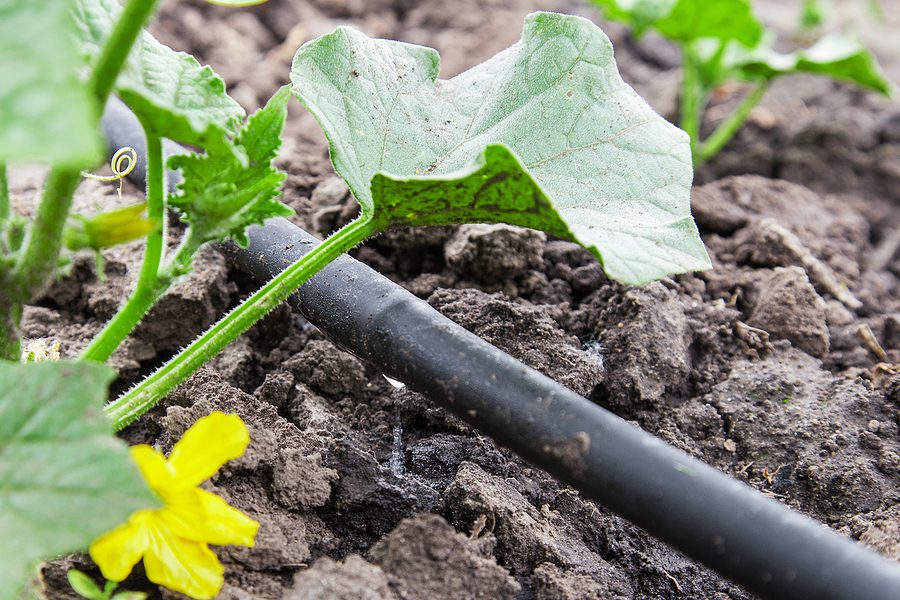
A drip irrigation system is designed to deliver water slowly and evenly across an entire landscape zone, ensuring that every plant receives consistent moisture from start to finish. When everything is working correctly, there should be very little difference in water output between the first emitter on the line and the last one. So when homeowners notice that plants at the end of a drip irrigation line are barely receiving water—or stop receiving water altogether—it usually signals that something in the system is restricting flow.
In Albuquerque and surrounding areas, this issue is especially common because drip systems are often extended over time as landscapes evolve. A homeowner may start with a small planting bed and later add shrubs, trees, or xeriscape areas without redesigning the irrigation layout. Over time, those additions can push the system beyond its intended capacity.
The result is a gradual drop in performance that shows up first at the far end of the line.
In most cases, low water pressure at the end of a drip irrigation system is not caused by one dramatic failure. Instead, it is the result of small, cumulative issues such as friction loss, minor leaks, clogged emitters, or tubing that is simply running too far for the available water pressure to support evenly.
Understanding how the system is supposed to function is the first step in diagnosing why it is no longer performing correctly.
How an Underground Drip Irrigation System Works
Underground drip irrigation systems operate by delivering water through a network of pressurized tubing connected to a water source, control valves, and emitters placed near plant root zones. Unlike sprinkler systems, which spray water across the surface, drip systems apply water slowly and directly into the soil where it can be absorbed more efficiently.
The system begins at the water source, where a valve controls when irrigation begins and ends. Water then moves through a filter, which removes debris that could clog small drip emitters. After filtration, water passes through a pressure regulator, which reduces household water pressure to a level suitable for drip irrigation—typically much lower than what is used for sprinklers.
From there, water enters the main drip tubing, which distributes flow across the landscape zone. Along this tubing are small emitters that release water at a controlled rate, measured in gallons per hour (GPH), directly into the soil near each plant.
Because drip irrigation relies on slow, controlled delivery rather than high-pressure spray, the system is extremely efficient. However, that same design also makes it more sensitive to pressure changes. Even small restrictions in the system can affect how evenly water is distributed across the entire line.
As water moves farther away from the source, it naturally loses pressure due to friction inside the tubing and resistance from fittings and emitters. Under normal conditions, this loss is minimal and evenly distributed. But when the system is extended too far, partially blocked, or damaged, that pressure loss becomes more noticeable at the end of the line.
In a properly designed system, each emitter should receive consistent flow regardless of its position. When the last emitters begin to weaken, it is a clear sign that the system is no longer balanced—and that something within the line is restricting performance.
This imbalance is what leads homeowners to notice dry patches, weak plant growth, or complete failure of irrigation at the far end of a zone.
Common Causes of Hidden Underground Leaks
One of the biggest challenges with underground drip irrigation systems is that leaks often develop out of sight. Unlike a broken sprinkler head that immediately sprays water into the air, an underground drip line can leak for weeks or even months before the problem becomes obvious. During that time, valuable water may be wasted, nearby plants may receive either too much or too little moisture, and utility bills can gradually increase without an obvious explanation.
Understanding the most common causes of underground leaks can help homeowners narrow down the problem and decide whether a repair is something they can safely tackle themselves or whether professional irrigation troubleshooting is the better option.
Aging or Damaged Drip Tubing
Drip irrigation tubing is built to withstand years of use, but it is not indestructible. As irrigation systems age, tubing can become brittle from years of temperature changes, soil movement, and normal wear. Although most tubing is buried or covered with mulch, sections exposed to sunlight before installation or during landscape changes may weaken over time and eventually crack.
Small splits or pinhole leaks often develop slowly and may only become noticeable after pressure within the system begins to decline.
Loose or Failed Fittings
Every connection within a drip irrigation system represents a potential leak point. Couplers, tees, elbows, end caps, and barbed fittings can loosen over time due to ground movement, seasonal expansion and contraction, or accidental disturbance during gardening projects.
Even a slightly loose fitting can release enough water underground to reduce pressure throughout the irrigation zone while remaining completely hidden beneath the soil.
Accidental Damage During Landscape Work
Many underground leaks occur during otherwise routine yard maintenance. Installing a new shrub, edging a flower bed, driving landscape stakes, or digging to install landscape lighting can unintentionally puncture buried drip tubing.
Because drip lines are relatively small, damage is not always immediately obvious. The irrigation system may continue operating while slowly losing water below the surface.
Tree Roots and Rodent Activity
Healthy landscapes naturally attract growing root systems and wildlife, both of which can affect underground irrigation.
Tree and shrub roots occasionally grow around or against irrigation tubing, placing stress on fittings or causing gradual movement of the line. In some situations, rodents or other burrowing animals may chew through polyethylene tubing while tunneling beneath planting beds.
Although these problems are less common than loose fittings or accidental punctures, they are well-known causes of underground leaks.
Soil Movement and Seasonal Changes
Albuquerque’s climate presents unique challenges for buried irrigation systems. Clay soils can expand when wet and shrink as they dry, placing repeated stress on underground tubing and fittings. Areas containing caliche may also shift differently than surrounding soil, creating additional pressure on buried irrigation components.
Over many seasons, this natural soil movement can loosen fittings, stress tubing connections, or create small separations that allow water to escape underground.
Poor Installation Practices
Some leaks can be traced back to the original installation. Tubing stretched too tightly, improperly secured fittings, inadequate burial depth, or excessive strain at connection points may not cause immediate problems but can shorten the life of the system.
Professionally designed drip irrigation systems account for expansion, contraction, pressure regulation, and proper routing to minimize these risks. Careful installation not only improves irrigation performance but also helps reduce the likelihood of hidden leaks developing years later.
Warning Signs of an Underground Leak
Hidden underground leaks rarely appear suddenly. Instead, they develop slowly and reveal themselves through subtle but consistent changes in the landscape. For homeowners in Albuquerque and surrounding areas, these warning signs are often the first clue that something is wrong beneath the surface of a drip irrigation system.
One of the most common indicators is unexplained wet or muddy soil in areas that should be relatively dry. Even when the irrigation system is only running briefly, a leaking line can continuously release water underground, saturating a localized area.
Another major warning sign is uneven plant health. Plants near the beginning of a drip line may look healthy and vibrant, while those farther down begin to wilt, yellow, or show signs of drought stress. This often happens when water is escaping before it reaches the end of the line.
Homeowners may also notice increased water bills without a corresponding increase in irrigation usage. Because underground leaks are hidden, they often go unnoticed until usage data or billing patterns reveal the issue.
Finally, low pressure or weak emitter performance across the system can signal that water is being lost somewhere underground before it reaches its intended destination.
How to Locate a Hidden Leak
Locating an underground drip irrigation leak requires a systematic approach rather than guesswork. Because the tubing is buried, visual confirmation alone is rarely enough.
The first step is to isolate irrigation zones. Running one zone at a time helps determine whether the issue is localized or affects the entire system. If only one zone shows symptoms, the problem is likely within that specific line.
Next, homeowners can perform a visual soil inspection while the system is running. Wet patches, unusually green growth, or soft ground areas often point to underground leakage. In some cases, water may rise slightly to the surface if the leak is severe enough.
A more advanced method involves pressure testing the system. By attaching a pressure gauge at the irrigation valve or test point, homeowners can observe whether the system is holding steady pressure. A slow drop in pressure can indicate a hidden leak somewhere in the line.
For more difficult cases, section-by-section isolation testing is often required. This involves dividing the irrigation zone into smaller segments and testing each portion independently until the leak area is narrowed down.
In professional settings, technicians may use specialized acoustic or flow-detection tools, but many residential leaks can still be identified using careful observation and basic pressure testing techniques.
Hidden Leak Symptoms Comparison Table
| Symptom | Likely Cause | Severity Level |
| Wet or muddy soil patch | Underground tubing leak | High |
| Rising water bill | Continuous hidden leak | High |
| Weak emitter flow at end of line | Pressure loss from leak | Medium–High |
| Uneven plant health | Partial water loss underground | Medium |
| Air in irrigation lines | System breach or leak | Medium |
| Soft or sinking soil | Long-term underground leakage | High |
Albuquerque Irrigation Tip Box
In Albuquerque’s high-desert environment, underground irrigation leaks often develop faster or become more noticeable due to local conditions.
- Clay-heavy soils expand when wet and contract when dry, slowly stressing buried tubing connections.
- Caliche layers can redirect water flow and concentrate leakage in unexpected areas.
- High UV exposure, even on shallow or partially exposed lines, can weaken tubing over time.
- Hard water mineral content contributes to buildup that increases pressure stress within the system.
- Freeze-thaw cycles during colder months can loosen fittings or create micro-cracks in older irrigation lines.
Because of these environmental factors, even small underground leaks in Albuquerque landscapes can escalate more quickly than in milder climates.
Common Homeowner Mistakes
When trying to locate or repair underground leaks, homeowners often make a few predictable mistakes that can make the problem harder to diagnose or more expensive to fix.
One of the most common mistakes is digging too early without isolating the problem zone. This often leads to unnecessary landscape disruption without actually locating the leak.
Another frequent issue is assuming all wet soil is caused by overwatering. While irrigation schedules can certainly contribute to excess moisture, persistent wet spots in localized areas are far more likely to indicate a physical leak.
Homeowners also sometimes ignore small changes in system performance, such as slightly weaker emitters or slower watering. These early warning signs are often the first indicators of a developing underground issue.
Other mistakes include:
- Failing to check filters and emitters before assuming a leak
- Overlooking pressure testing as a diagnostic tool
- Using incompatible repair fittings that do not match system specifications
- Not re-testing the system after making a repair
A structured approach to diagnosis is always more effective than trial-and-error repairs, especially in buried irrigation systems where visibility is limited.
By recognizing the warning signs early and following a logical troubleshooting process, homeowners can significantly reduce water waste, protect plant health, and avoid unnecessary excavation. In many cases, what appears to be a major underground failure is actually a localized issue that can be identified and corrected with careful inspection and proper irrigation knowledge.
Repairing Underground Drip Irrigation Lines
Once a hidden underground leak has been located, the repair process becomes much more straightforward—but only if it’s handled carefully. Drip irrigation systems are simple in concept, but they rely on tight connections, proper pressure balance, and intact tubing to function correctly. A rushed or incomplete repair can lead to repeat leaks in the same area or new problems elsewhere in the system.
The first step in any repair is controlled exposure of the damaged section. Rather than digging broadly, it’s best to carefully open the soil only where testing has confirmed the leak is located. This helps preserve surrounding landscaping and reduces unnecessary disturbance to plant roots.
Once the damaged tubing is exposed, the next step is to assess the type of failure. Small punctures can often be repaired with simple couplers or repair plugs, while larger cracks or crushed sections typically require the damaged portion of tubing to be removed entirely.
For most standard polyethylene drip lines, the repair process involves:
- Cutting out the damaged section cleanly
- Installing a barbed coupling or compression fitting
- Ensuring both ends are securely seated and fully aligned
- Testing the connection under normal operating pressure
It is essential that fittings match the tubing size and pressure rating. Using mismatched components is one of the most common reasons repairs fail over time.
After the repair is complete, the system should always be pressure-tested before backfilling soil. This ensures the leak has been fully resolved and that no additional weak points exist nearby.
Preventing Future Leaks
Preventing underground drip irrigation leaks is often easier—and far less expensive—than repairing them after they occur. Most long-term failures are tied to system design, installation quality, or lack of routine maintenance.
One of the most effective prevention strategies is proper system zoning and layout design. Drip lines that are too long or overloaded with emitters are more likely to experience stress, pressure loss, and eventual failure. Dividing irrigation into balanced zones helps distribute water more evenly and reduces strain on individual lines.
Routine filter maintenance is also critical. Filters prevent sediment, mineral buildup, and debris from entering emitters and tubing. When filters are ignored, pressure irregularities and blockages often develop, which can increase stress on the entire system.
Homeowners should also perform seasonal inspections, especially in Albuquerque’s climate where temperature swings, UV exposure, and hard water conditions accelerate wear. Checking visible tubing, fittings, and emitter performance at the start of each irrigation season can catch early warning signs before they become underground failures.
Another important factor is pressure regulation. Systems that operate at incorrect pressure levels are more likely to develop leaks over time. Consistent, properly regulated pressure helps extend the life of tubing and fittings.
Finally, landscaping changes should always be considered when modifying irrigation systems. Adding new plants, extending lines, or altering grade levels without adjusting irrigation design can create long-term stress points in the system.
FAQ
Can underground drip irrigation leaks fix themselves?
No. Once a leak develops in buried tubing, it will typically worsen over time unless repaired. Soil movement and water pressure will usually expand the damaged area.
How deep are drip irrigation lines usually installed?
Most residential drip irrigation lines are installed just below the soil surface or under mulch, typically between 2–6 inches deep, depending on landscape design and protection needs.
Will a small leak always increase my water bill?
Not immediately, but even small leaks can significantly increase water usage over time. Many homeowners first notice leaks through gradual billing increases.
Can tree roots damage drip irrigation tubing?
Yes. In some cases, tree and shrub roots can grow around tubing or press against it, eventually causing deformation or punctures.
Should I replace the entire line if I find one leak?
Not necessarily. Most localized leaks can be repaired by replacing only the damaged section of tubing. Full replacement is only needed when systems are old or have multiple failure points.
When should I call a professional?
If the leak cannot be located after basic isolation testing, or if multiple zones show symptoms at the same time, professional leak detection tools may be required.
Final Thoughts
Hidden underground leaks in drip irrigation systems are frustrating, but they are rarely random or untraceable. In most cases, they develop from identifiable causes such as physical damage, pressure imbalance, aging materials, or environmental stress.
The key to managing these issues is a structured approach: identify the symptoms, isolate the irrigation zone, inspect systematically, and confirm findings before making repairs. This method not only saves time but also prevents unnecessary digging and landscape disruption.
In climates like Albuquerque’s, where heat, hard water, and soil conditions place additional stress on irrigation systems, proactive maintenance becomes even more important. Small issues that might go unnoticed elsewhere can escalate more quickly if left unchecked.
When properly installed, maintained, and monitored, drip irrigation systems are highly efficient and long-lasting. Most underground leak issues are preventable with the right design and seasonal care.
Contact R & S Landscaping

If you’re dealing with unexplained wet spots, rising water bills, or suspected underground irrigation leaks, professional diagnosis can save time, water, and landscape damage.
At R & S Landscaping, we specialize in identifying and repairing underground drip irrigation issues throughout Albuquerque and surrounding Central New Mexico communities. Our team understands the local soil conditions, climate stress factors, and irrigation challenges that affect system performance over time.
Whether you need leak detection, irrigation repair, system upgrades, or a full redesign for better efficiency, we can help restore proper water flow and ensure your landscape receives the consistent, efficient irrigation it needs to thrive.
Contact R & S Landscaping to schedule professional irrigation troubleshooting and keep your landscape healthy, efficient, and water-wise year-round.