
Should You Choose Sod or Grass Seed for a Healthier Lawn?
When it comes to pride in ownership of your new home, your lawn is just as important as what’s inside the walls. From curb appeal to your property lines, your new lawn is a reflection of your investment and the statement you want it to make. If you’ve been left with a lackluster lawn or open dirt after new construction, don’t worry. There’s no better time than now to get your lawn back on track. By knowing the differences between sod versus seed you can set your lawn up for the healthy, lush yard you’ve always wanted.
Know Your Lawn Start Point
If you currently have a lawn, you need to decide if you want to work with it or start from scratch. Look closely at your lawn and identify weeds, grasses you don’t want and spots that appear thin or diseased. If 30 to 40 percent of your lawn is comprised of weeds, you may be able to work with what you have. With a little effort you can overseed your existing lawn with new grass seed and eliminate weeds to revive your marginal lawn. If more than 40 to 50 percent of your lawn is weeds or there are large patches of dead or dying grass, you’ll have better luck starting from scratch and renovating your lawn.
Before you decide between sod or grass seed, take the time to understand your soil and the challenges you may face. Follow the lead of lawn professionals and have your soil tested. Soil tests remove the guesswork by giving you a detailed analysis of soil pH, organic matter content and the availability of vital nutrients. Once you know exactly what you’re starting with you can fertilize and amend your soil with confidence, giving your new lawn the best possible foundation.
Sod Versus Grass Seed
Once you’ve evaluated your property, you’re ready to choose between starting a lawn from sod or grass seed. While there are many benefits that come from having a natural lawn, deciding which option is best for your situation can be difficult. Both sod and grass seed lead to healthy, beautiful lawns. But the way you get there can be very different.
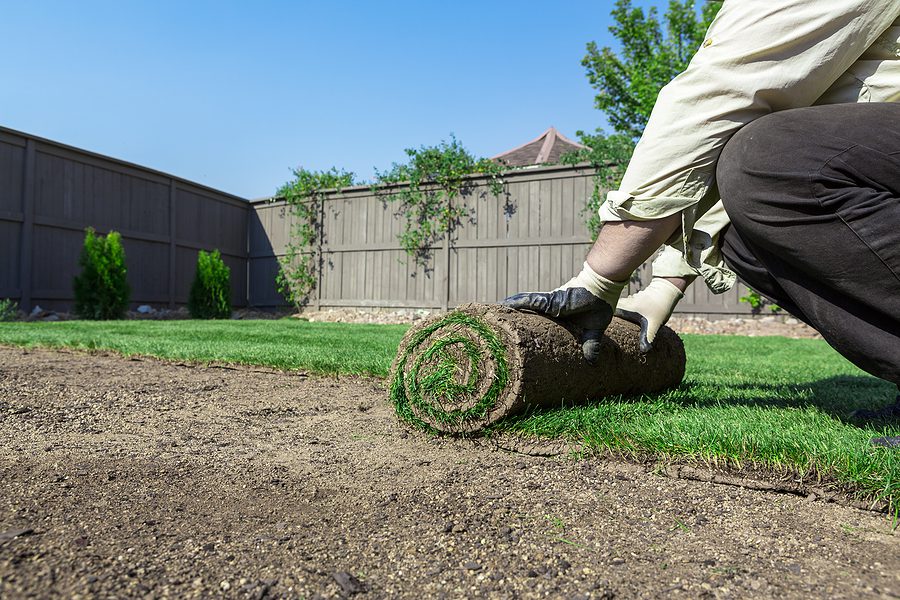
Sod has been started for you by a sod farmer. Harvested sod is living grass that’s root system includes an attached layer of soil. Sod is held in place on a roll by netting or cut grass roots. The roll is laid down on your lawn like a rug and unrolled. Before you install it, sod has some unique advantages and disadvantages.
Pluses of Sod
Quick Results: There’s nothing like rolling out sod to get an instant lawn. Don’t expect to run barefoot across your new lawn just yet, but you’ll have the appearance of a carpet of grass immediately.
Easy Installation: When properly rolled and installed, new sod should take about two to three weeks to root down into your soil. Watering frequency and proper watering techniques will ensure your sod roots.
Fast Erosion Control: If you have problems with areas with erosion or you live on a slope, sod gives you an erosion control benefit. Until your grass roots reach deep enough into the soil, sod acts as a barrier to hold soil in place.
Plant Sod Anytime: While certain seasons are always preferable for planting grass seed, sod can be installed at almost any time. Avoid planting sod in the height of summer when temperatures are highest. Sod will root fastest when installed during the peak growing season of the grass variety you select.
Fewer Weeds: Quality sod that’s certified by your state will have minimal weeds. Since sod is mature grass, it easily crowds out weed seeds that may invade your lawn early on.
Minimal Time Before Lawn Use: After sod has rooted into your soil, it’s ready for normal lawn use. You can entertain, play and enjoy your pets on your new lawn with little delay.
Minuses of Sod
Higher Install Cost: Since sod is essentially instant grass, it will always cost more per square foot than grass seed.
Installation Costs: While installing sod is a fairly simple process, if done incorrectly your lawn will show visible seams where the sod rolls met. The sod may also fail to root completely, creating an uneven and unattractive lawn. Depending on your skills and available equipment, you may need to pay for professional installation.
Limited Grass Variety: Sod limits you to the grass varieties chosen by your sod farmer. This may mean fewer choices for grass types that are ideally suited for your lawn’s unique conditions. Take the time to find a farmer that grows premium grass varieties like Water Star grasses.
Varied Growing Conditions: The yard where you live may receive different amounts of sunlight or have different soil conditions than where your sod was grown. Seed grows best in the environment it becomes accustomed to, so your lawn may experience difficulty adapting to different light levels and soil conditions. Most sod farms grow grass in full sun exposures, so if you have heavy shade, you may have limited sod options.
Timing is Everything: Sod starts dying as soon as it’s harvested. While newly laid sod can survive for a short period of time, it’s ideal to have your lawn prepared before you roll out the first square. Ideally, sod should be laid within minutes to one day of being harvested.
When starting a lawn from grass seed, you become the grower. You can control every stage of your lawn’s development starting with grass seed germination. By planting a lawn from seed, you gain a unique set of advantages and disadvantages.
Pluses of Grass Seed
Lower Cost: Premium grass seed is much cheaper than sod. The price difference to start a lawn from seed verses laying sod is substantial.
Easy to Seed: Planting grass seed is a simple process that requires very little time. By knowing how to properly plant grass seed, you can avoid some of the most common do-it-yourself lawn mistakes – even if it’s your first time!
More Grass Choices: Choosing grass seed gives you a wide variety of grass options. Look for grass that matches your growing conditions and fulfill your outdoor needs. Do you live in an arid climate and want a lawn that conserves water? Certain grass varieties can help you achieve your vision while maintaining a lush lawn. Try grass seeds that typically require less water than conventional grass varieties and have improved resistance to diseases and pests. Choosing grass that’s optimized for your area also means your lawn will require less watering and mowing. You can spend less time on maintenance and more time enjoying your lawn. Take the time to select the right grass seed for your region and soil type to ensure a healthy lawn.
Grow Where it Lands: Grass seed doesn’t require the transport and adjustment to new growing conditions that sod does. Seed is planted in the location where it will grow. This gives grass seed the advantage of expanding deep, healthy roots without disturbance.
Minuses of Grass Seed
Best Planting Times: To get the best establishment, grass seed should only be planted during certain months for maximum growth. Cool-season grasses need cooler environments to germinate, so early fall is the best time to plant your grass seed. Planting at the wrong time could mean dead grass seed or weak grass that struggles to stay healthy and grows thin.
Not Instant: Even if your grass seed germinates quickly, it’ll take time to grow in. You shouldn’t expect to be regularly using your lawn for at least eight weeks after seeding. Your grass may take even longer to establish depending on the weather and grass variety.
Maintenance Effort: Growing grass from seed means you’ll have extra work at first. Newly seeded lawns must be watered frequently, sometimes multiple times a day.
Erosion and Washaway: Since seed needs time to establish roots, it can easily be washed away by heavy rain or pooled in areas of your lawn. All your seeding efforts could be wasted if you don’t pay attention to your lawn during this stage.
Weeds: Like most plants, weed seeds don’t take kindly to being shaded by other plants. Grass seeds need to fight for sunlight, water and nutrients against any other plants that decide to grow along with them. Seedling grass also doesn’t hold ground very well against more mature weeds. One way to prevent weeds is to plant grass seed in the early fall when weed growth is minimal.
Time to Mature: Even after your lawn has been established, a lawn grown from seed will take an entire growing season to reach full potential. Your lawn won’t be ready for intense use, such as kids and pets, for some time.
While both sod and grass seed have their advantages and disadvantages, once you’ve established your lawn you can play kick the can with your kids or host a barbeque. Take pride in your lawn by giving it the continued care it needs to stay beautiful. Water appropriately, fertilize regularly and mow wisely to ensure a healthy lawn season after season.