Ready To Give Xeriscaping A Try? Avoid These Common Mistakes
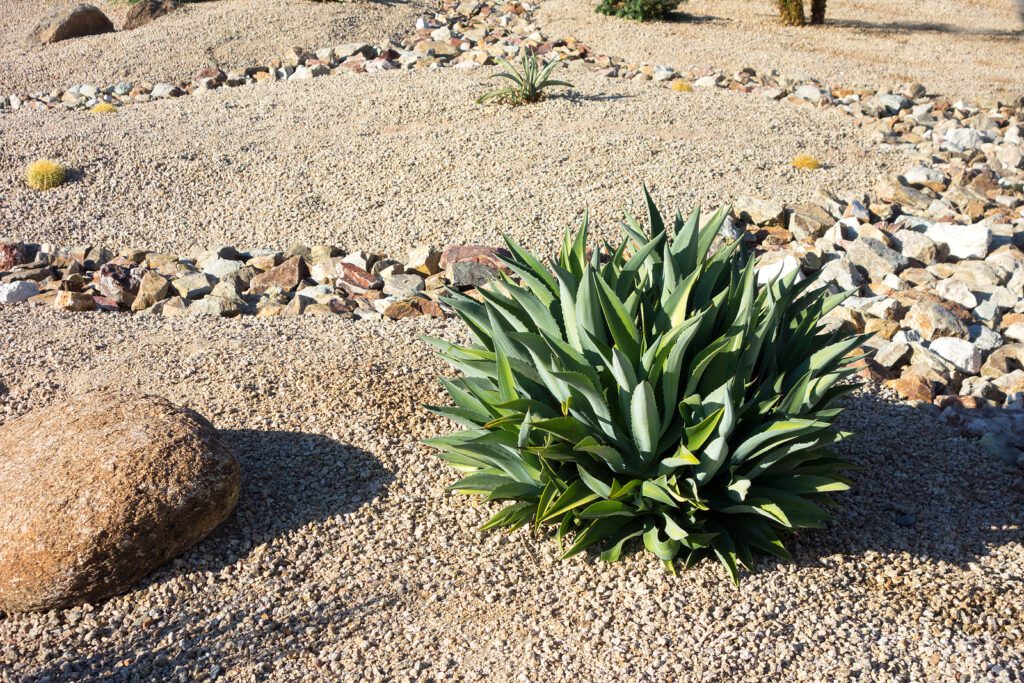
Xeriscaping is a landscaping trend that’s been steadily growing in popularity in dry regions thanks to its obvious environmental benefits. If you’re thinking about installing your own water-wise garden, then watch out for these common xeriscaping mistakes.
Whether you’re looking to save water, create a stunning yard that stands out from the rest, or both, xeriscaping can help you achieve your gardening goals. Xeriscaping doesn’t have to be difficult, but like any DIY project there are pitfalls to watch out for.
From failing to plan ahead properly to neglecting to take your yards current water-usage into account, don’t let these xeriscaping mistakes turn your dream garden into a nightmare.
Common Xeriscaping Mistakes
Making the switch to Xeriscaping is a huge commitment and while there are many small xeriscaping mistakes that are easily fixable, making big errors like miscalculating your needed materials or not selecting the correct plants for your design can be costly or even impossible to correct once everything is set in place.
Avoid any xeriscaping mistakes by following our professional tips so you can kick-start your water-wise garden project and watch it flourish.
Not spending enough time on design or aesthetics
Before you start ripping out existing landscaping and planting native you’ll need a solid plan. Whether you plan to redesign your current landscape or start from scratch, come up with a fun and creative design that works with the space you have.
Look at national parks like those in the Sonoran Desert for inspiration when creating your design. Xeriscaping doesn’t mean your garden has to be boring and lifeless.
There are hundreds of native plants that will add color, texture, uniqueness and contrast to your garden. Favoring drought tolerant plants over native varieties
One huge movement that’s currently taking place in the gardening world is filling our yards with native plants. By planting species native to your region, you can help improve biodiversity and give native insects and birds a helping hand.
But one of the biggest xeriscaping mistakes is neglecting your yard’s native wildlife. By focusing too much on water preservation and only selecting plants based on how little water they need you could miss out on attracting bees, butterflies and hummingbirds.
Yes, xeriscaping means choosing plants that don’t need tons of water but by selecting plants that are native to your region you’ll not only preserve water but give wildlife a helping hand. Some non-native plants can even be invasive so it’s important to do your research.
Plus, native plants are already accustomed to growing in your climate and soil conditions so they will require less intervention on your behalf.
Taking out all the soil and replacing it with gravel
One of the first things most homeowners do when xeriscaping is removing all the top soil in their yard and replace it with gravel. Another of those common xeriscaping mistakes.
While having areas of gravel and crushed stone chips is great for that dry garden landscaping look we adore nothing in your yard has to be made up of gravel.
Many native plants have flourished for centuries without the aid of topsoil but that doesn’t mean you should eradicate it from your yard completely. Poor soil prep and installation is another common xeriscaping mistake.
Have your soil tested to determine the PH balance as well as potential contaminants. Before you start planting use the resources below to determine your yards soil composition.
Depending on your findings you may need to amend your soil. Amending your soil simply means improving it’s condition by adding organic material like mulch or compost.
Eliminating all leafy bushes and trees
Xeriscaped gardens naturally gravitate toward unforgiving looking plants like cacti, succulents, silver foliage and shrubs that have adopted certain characteristics that allow them to thrive in hot dry climates.
These adaptations include: Replacement of leaves with spines which lose less water (think cacti), thick waxy cuticles that cover the plants to help prevent water loss through transpiration (think succulents), silver foliage and small leaves which lose less water due to their small surface area (think creeping sedum).
Your garden won’t feel like much of a retreat if you rip out all of the lush bushes and beautiful tree varieties you currently have. Yes you will need to do your research first and determine which plants will thrive but that doesn’t mean you have to say goodbye to everything.
Think of trees like sagos and bismark palm trees or bushy plants like euphorbia and bougainvillea which boasts beautiful flowers as well.
Neglecting to plan your xeriscape layout and replant in phases
Xeriscaping your yard will take some time, and like any renovation or DIY project you don’t want to overwhelm yourself. Evaluate rainfall amounts, temperatures as well as lighting and soil conditions.
Once you know which plants will thrive you can start planning your landscape. One of the common xeriscaping mistakes that people make is ripping out all of their grass, plants and bushes and starting from scratch.
Start small and work you way around your yard instead of trying to xeriscape it all at once. You may even discover that certain areas of your yard don’t need to be touched. If your yard already has plants and trees that you love and are native to your region keep them.
Not accounting for maintenance
xeriscapes require less maintenance than the average lawn but that doesn’t mean you can completely neglect your garden. Just because you don’t need to mow your lawn every week doesn’t mean that xeriscaped areas in your yard won’t need upkeep.
You’ll still need to weed, mulch, occasionally water (droughts happen) and prune any plants or bushes that need it.
Not mulching your plants
Mulching is your friend and especially if you live in an area that doesn’t get a lot of rain. By mulching your plants you’re adding a protective layer that will provide your plants with plenty of benefits like keeping moisture in the soil, decreasing water usage and preventing water runoff.
There are different types of mulch out there that come in organic and inorganic forms. From shredded bark to pine needles, adding mulch to your garden is essential to creating a healthy xeriscape.