
How Do I Get My Garden Soil Ready for this Spring
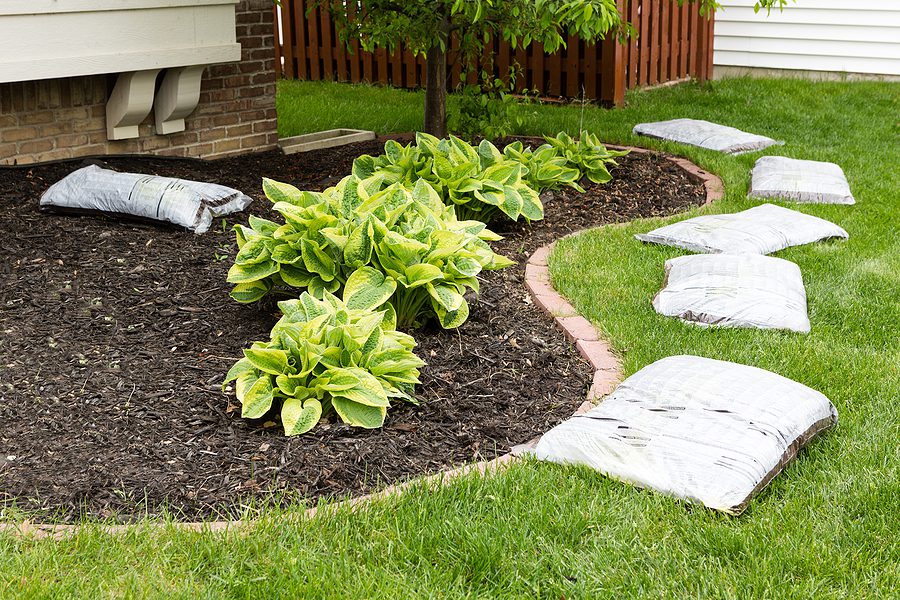
Once you’ve said goodbye to your summer garden and hello to fall colors, pull out your calendar and circle February through April. These are the months when you’ll harvest the fruits (and vegetables) of these simple soil-building techniques. Start getting your garden ready for spring by trying some (or all!) of these easy techniques to improve your soil before spring planting.
1. Take a Test
Take a trip to your local county Extension office and ask for a soil testing kit. Follow the directions to find out if your soil needs amendment with pH-raising ingredients like lime or acidifying ingredients like elemental sulfur. The kit will also tell you if your soil is lacking in nutrients like nitrogen, phosphorus and potassium.
2. Leave the Roots
Rather than get down on your hands and knees and dig out every last bit of remaining root, just rip those plants out and leave the roots behind. Those roots will decay, feeding helpful microbes, which in turn produce humus. Humus helps soil retain moisture while aerating it at the same time. It also helps plants access nutrients they need to thrive.
Needless to say, if the roots of those plants are infected with disease, you definitely want to remove every bit of root matter to prevent spreading disease next season.
3. Add Compost
Spread several inches of compost over your garden area, then gently turn it into the soil with a digging fork or broad fork. This will allow worms and other organisms to get to work on breaking down the compost while soil temperatures are still warm.
4. Spread Some Manure
Compost manure in the spring so that by the time you’re ready to till it under in the spring, it’s ready to go. But if you apply it to your garden in fall before next year’s garden is even started, you can apply fresh manure directly to the soil (if you can stand the smell, that is). The ammonia will escape over winter, leaving behind rich organic matter come spring.
Cow and horse manure are the best choices for gardens, though sheep manure works well too. Avoid poultry manure because it’s too high in nitrogen, which will burn plants. Spread manure 1 inch thick over your garden.
Sprinkle blood meal over the manure, then add water to help it soak in. Cover the whole thing with a tarp or layer of leaves and straw, then let nature take its course. Organic farmers call this type of quick compost a “six-month winter compost.”
5. Sprinkle with Fertilizer
If manure isn’t your thing, sprinkle lightly with an organic fertilizer such as greensand, rock phosphate, kelp meal, bonemeal or bloodmeal. Most organic fertilizers take time to break down, releasing their nutrients over a period of months. By applying them to the soil in fall, you’ll give them time to compost down into forms your spring plantings can use.
6. Pile on the Leaves
Whether you choose to add compost, manure or both, pile chopped-up fall leaves over everything. Run your lawn mower over the leaves before you add them to the garden to help your soil insulate better and to encourage worms to stay active later into the season.
7. Plant Cover Crops
Clover, red wheat, cereal or annual rye, agricultural mustard, fava beans, alfalfa, sorghum and wooly pod vetch are all cover crops you can plant now that will grow over winter, then be tilled under in the spring. These crops will draw nutrients up from below while eliminating excess water, then give back nitrogen and organic matter to the soil when they’re turned under. The downside is that you must get seeds into the soil while it’s still warm enough for them to sprout.
That means planting your cover crop seeds in late summer (if you live in a colder climate) or early fall (if you don’t). If you missed your window this year, just make a note on next year’s calendar.