
Spring Startup Tips & Tricks for Albuquerque Irrigation Systems
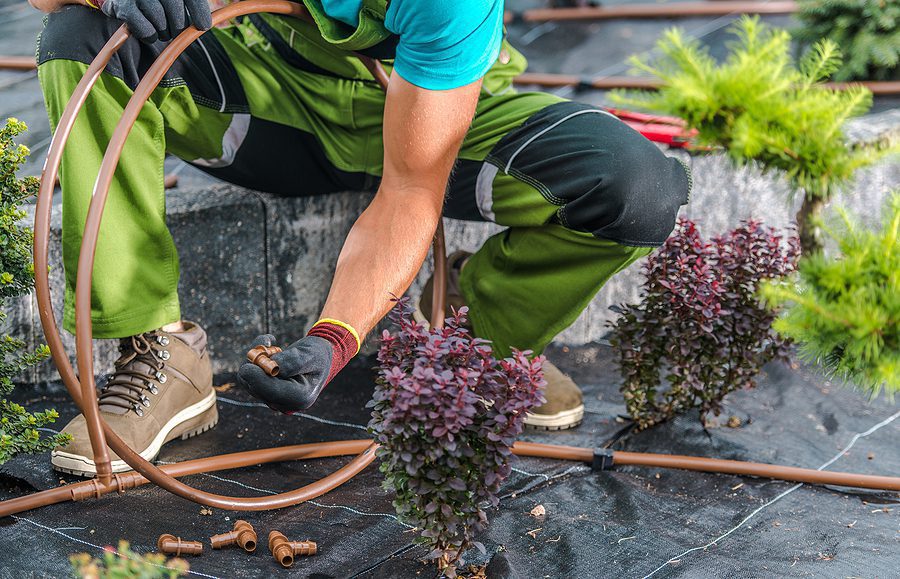
Now that winter is coming to an end here in Albuquerque, March 21, 2026 to be precise, and the temperatures of our soil are beginning to rise, most homeowners are starting to think about turning their sprinkler systems back on. However, starting up your irrigation system in the spring requires more than just flipping a switch. Taking the time to winterize your irrigation system can prevent costly leaks and damage while promoting healthy, consistent coverage as your turf and landscape plantings come out of dormancy. Below are some tips for identifying potential issues and preventative sprinkler repairs you can do before spring startup begins.
Winter Freeze Damage
Water left inside of irrigation system components over winter can freeze, expand, and crack fittings, valves, and/or pipes. Even if your system was professionally winterized, there can still be small cracks due to freeze damage from changing temperatures, shifting soil, and unseen pockets of water that were missed. As soon as you turn your system on for the spring, these cracks can lead to leaks, loss of water pressure, or complete pipe failure. Freeze damage can go unnoticed until the system is turned on, so it’s important to examine your system for these issues first.
Maintenance Tips:
- Check all above-ground valves, pipes, and fittings for visible cracks.
- Turn water on slowly to reveal hidden leaks.
- Check your backflow preventer for damage due to freeze expansion.
- Call a professional for repairs if you think you may have broken pipes.
Removing Dirt from Heads & Nozzles
Sprinkler heads are notorious for collecting excess debris like silt, mulch, leaves, and more during the winter months. This debris builds up in the nozzles and reduces water flow. Snow melt and raised soil can also push debris into sprinkler heads which limit how far your spray will reach or change the direction water will spray. If not attended to before turning your system on, clogged nozzles create brown spots in your lawn and spray water onto sidewalks, driveways, streets, and building exteriors. Debris in your sprinkler heads can cause weak water pressure throughout your entire irrigation system.
Maintenance Tips:
- Take the nozzle off each sprinkler head and rinse with water.
- Use your finger, brush, or toothpick to clean out any additional debris from inside the nozzle.
- Move sprinkler heads back and forth to ensure they are not stuck in one position.
- Replace each nozzle tightly to ensure there are no leaks when you turn your system on.
Backflow Preventer Maintenance
The backflow preventer is what keeps chemicals and other contaminants from getting into your drinking water. If left unprotected against freezing temperatures, many components inside the backflow preventer can be damaged without you even knowing it. You may not see anything wrong on the outside, but damage to the interior of the preventer can cause it to leak or not function properly at stopping water from flowing backward. Since this piece of equipment is your last line of defense against dirty water getting into your plumbing, it’s important to thoroughly check the backflow preventer each spring season.
Maintenance Tips:
- Inspect around the device for any drips, cracks, or rust.
- Ensure test ports and shut-off valves can easily move throughout their range.
- Have your backflow preventer professionally tested by a certified technician.
- Cover your backflow preventer to prevent future freeze damage.
Flushing Out Sediment
Silts and debris can collect inside the main line of your irrigation system throughout the winter. Systems that source water from wells or have a high mineral content are most susceptible to sediment collection. Flushing your irrigation system helps push this sediment out of the pipes through the end of the line. Sediment can cause emitters to clog and shorten the life span of your nozzles.
Maintenance Tips:
- Take the end caps off each zone and let water run for a few minutes to flush out debris.
- Make sure your filters and screen are clean before screwing the end caps back on.
- If you notice a large amount of sediment, consider flushing your system 2-3 times.
- Install an inline filter to help reduce future sedimentation problems.
Checking Water Pressure and Watering Coverage
Seasonal changes can affect water pressure, so it is important to check your water pressure in the beginning of spring. Too much water pressure will cause misting and cause water to evaporate from the air instead of feeding your lawn. Not enough water pressure can cause dry spots in your yard and an uneven sprinkling of water. Uneven water pressure in your zones can also be an indicator of leaks, damaged lines, or faulty valves. Proper water pressure is important to maintain a balanced irrigation system.
Maintenance Tips:
- Hook a pressure gauge to your main water source to measure PSI.
- Adjust pressure if you have pressure-regulated sprinkler heads or valves.
- Visually look for misting or forceful water spray patterns.
- Fix leaks to help increase water pressure if it is too low.
Programming Controller Settings
Believe it or not, most people forget that the programming and clock on their controller from the previous year will not work this spring. Every year we experience different weather conditions, plants mature, and the amount of daylight changes. All these changes require you to update your watering schedule each spring. Watering too often in the beginning of the season will promote weak root growth and wastewater. Watering too little can cause your lawn to suffer from winter damage.
Maintenance Tips:
- Change your watering times to adapt to spring rainfall and soil conditions.
- Reduce the amount of time you run your system in early spring to promote deeper rooting.
- Update your controller with the current date, time, and change seasonal adjustment features.
- Replace batteries on your controller if they are older than two years.
Inspecting Your Drip System
Don’t forget that if you have drip irrigation components, these lines will need a little extra attention this spring as well. Drip tubing can move around throughout winter and collect excess minerals or debris that clog emitters. Small holes may have developed from rodents or lawn maintenance equipment causing long-term leaks. These leaks wastewater and promote weed growth near your drip tubing.
Maintenance Tips:
- Inspect emitters to ensure they are not clogged and working properly. Replace any emitters that drip irregularly.
- Connect each section of drip line to a garden hose to flush out excess sediment.
- Use drip repair couplers to fix any holes or leaks.
- Make sure tubing is secure and off the ground to prevent damage from insects or rodents.
Call a Professional for Spring Startup Assistance
There’s no need to stress if your irrigation system still needs help coming out of winter. The technicians at R & S Landscaping can provide full-service spring startup that includes irrigation pressure checks, backflow prevention testing, controller wiring inspection, leak detection, and spray coverage analysis by zone.
Give us a call or schedule an appointment online to get started with your spring sprinkler maintenance in Albuquerque, NM.