
Why Should I Prune My Trees During the Winter?
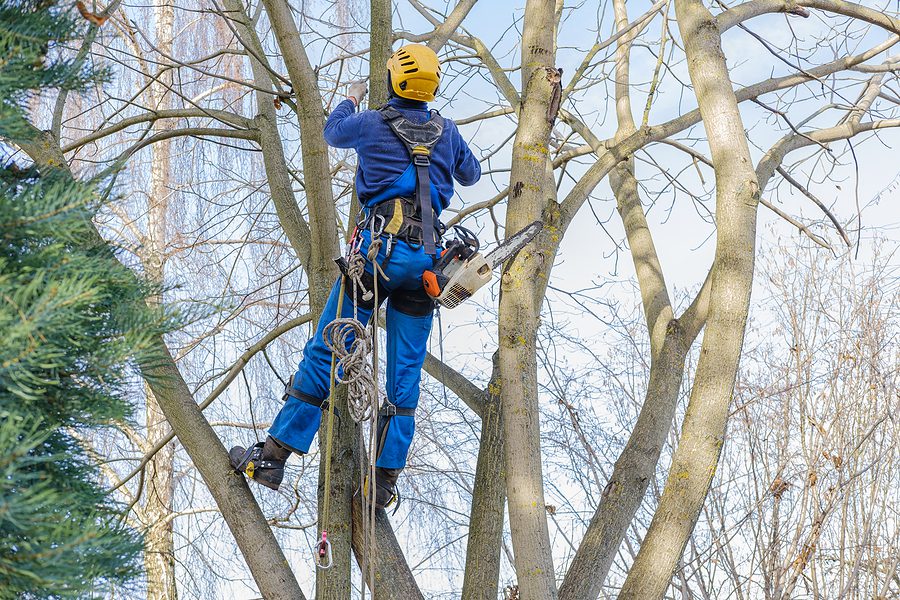
It may still be snowing, but your trees need constant care at all times. Pruning during the dormant season of the spring, when buds are forming and while trees are still in hibernation, is a great benefit.
To maintain urban forests, prudence tree pruning is crucial at the right time of the year. Being proactive and pruning trees during the late winter can help residents preserve their trees for life and maintain a long-term health, appearance, and safety.
In fact, good-maintained trees are something that can add to a property and actually increase its value by up to 20%. Being healthy, clean, and strong can sell for up to $10,000 and tells us that keeping the landscape is an investment that’s worth it.
The Benefits of Pruning in Late Winter and Early Spring
Better Visibility
In this low-lying season, the foliage isn’t a problem. You or your arborist will be better prepared to know what branches need to be removed and which areas are diseased or difficult to cut. Trees may look cleaner during the dormant season as branches are easier to see and work more quickly than when they are not, but arborists also can safely and accurately trim structurally more easily.
Less Intrusive
In winter when outdoors is relatively inaccessible, an arborist won’t have to worry about disturbing people on the property, garden beds aren’t blooming and all the effect of gardening outside on the property is quite minimal.
Help Control Disease
The warmer season, but, is more vulnerable to insects that are infected with tree-killing bacteria and fungi. In dormant time, harvesting helps protect your trees from the spread of disease and lessens their vulnerability to attack with increasing temperature or insect activity.
Some oak trees, like oaks, should be pruned during the dormant season because they are particularly vulnerable to oak wilt disease, the disease that spreads extremely quickly in spring and summer.
Faster Healing Process
When you prune a tree, you are wounding it. Trees need time to heal, heal and return to life, as people. It is most optimal during this time in which trees are already resting during the dormant season, which is the best time to heal. Pruning trees before new growth begins provides more stress and a stronger spring-up growth to make.
Protection from Harsh Weather
Because dense foliage is absent, arborists can better understand the tree’s storm readiness, e.g., how it will weather unusual circumstances. The weaker and vulnerable branches, stripped off, can provide strength to bear even harsh weather, especially wet spring snow and high winds.
Benefits the Existing Landscape
A pruning program ensures the tree’s canopy can open with better sunlight, allowing more sunlight to reach grass and other plants at a time when light is low.
Saves Time and Money
Dormant season pruning tends to be more efficient than pruning other seasons. Bare limbs allow trees to have more access to trees and it’s easier to trim down. Bare branches are also much lighter than foliage packed branches; they are easier to handle, and more likely to be damaged.
In order to do a job with large branches, chainsaw, or even full tree or tree removal, it is best to ask an insured, certified arborist.
Your trees have cared for you and your property, giving shade, oxygen, and aesthetic beauty – now is the time to say “thanks” and give them care that needs to be paid for. Proper pruning gives your trees the best chance of success to thrive.