
How Do I Prevent Evergreen Brown Needles and Winter Burn in the Winter?
Evergreen trees and shrubs can help fill your yard with color, texture, and structure. They’re also often low maintenance landscaping choices that don’t require much pruning or watering. But they have to be nourished and healthy throughout the seasons for they to flourish and be in good condition.
For evergreens prone to cold-season neglect, there are some healthy ways you can protect them from the harsh winter winds, sun, and the fluctuating temperature.
These all-natural winter care tips will protect your spruces, pines, and other plants against frosty wind gusts.
Why Winter Care for Evergreens Matters
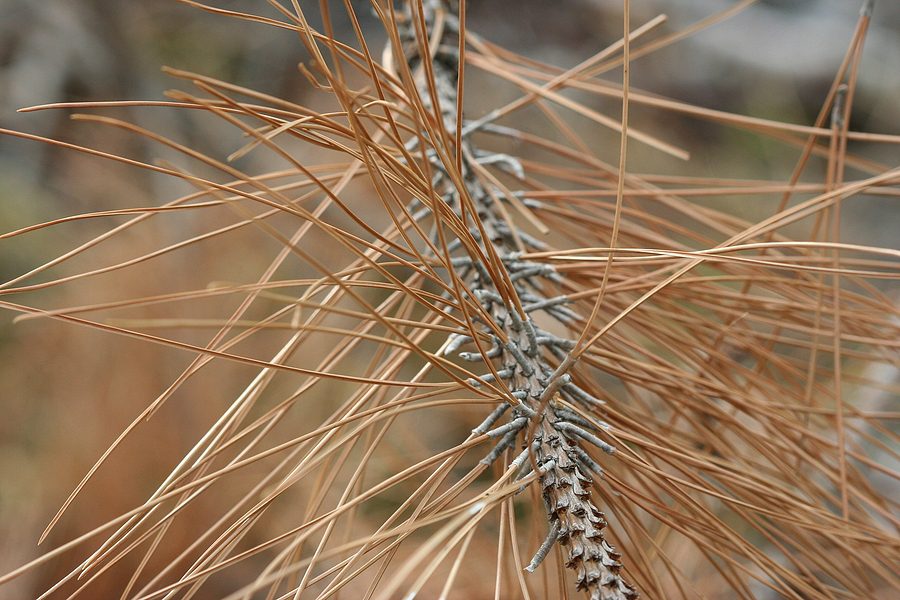
Evergreens, like deciduous plants that shed leaves and dormant in winter, are active even during winter, and over a shortage of water can cause winter burn, where needle tips become an erratic yellow, bronze, or brown. This increases with heavy winds, dry winters and bright sun.
Evergreens carry their needles through the winter, and… lose moisture by a process known as transpiration. But when soil freezes, the roots cannot absorb water that it lost by needles.
Browning is usually on the side of the evergreen with cold weather. It’s particularly problematic for young or newly planted species that are not yet roots deep and that are particularly exposed to those species.
It’s a problem most evergreens experience: a broad leaf, if not broad, including boxwoods and rhododendrons, needles, firs, pines, yews and spruce. a stiff, scale-like leaf, if not scale-like, stem leaves.
Key Winter Care Tips for Evergreens
Evergreens tend not to fully recover from winter burn until late spring and in some cases severe burn can lead to a completely new plant completely replaced. But there are a couple easy ways you can protect your evergreens during the winter to keep it from becoming harmed.
Winter Wind Protection
Burlap is an effective physical barrier when your evergreens are exposed directly to wind and direct sun, particularly when new to the landscape.
If upright, narrow plants such as arborvitae are small enough you can wrap windscreens loosely around them. For evergreens with deep root systems, you should choose windscreen slightly out of the drip line, or the widest border on the tree.
You want to leave the top open in order to circulate and to keep out wind that absorbs moisture.
Wood stakes or metal posts are also used to provide the frame for larger windscreens. Avoid plastic, which can trap heat and cause broad temperature changes. Instead use breathable, but insulate alternatives such as burlap, canvas or snow fencing.
Water Deeply Until Ground Freezes
One of the best and easiest ways to protect your evergreens from winter burn is deep watering throughout late fall until hard freeze. It’s especially important in a dry season.
In the winter months when ground is solid and frozen, late-season watering allows the roots to absorb and store as much moisture as possible to compensate for the loss of moisture from the needles which occur when soil is hard and frozen.
But, remember the future forecast. Because winter temperatures vary in degrees, over-saturating soil may cause root rot.
Mulch Protective to Keep Moisture Loss and Frost Heave
Alternatively, you can add a little mulch during late fall to keep from running off moisture.
Place a layer of mulch below your trees and shrubs.
Shredded bark, pine needles, or leaf mold can also help reduce the risk of freeze-thaw cycles in your soil that may sometimes bring an evergreen away from the ground in a hard-to-control situation.
Take advantage of Anti-Desiccant Spray.
For broadleaf evergreens, applying a spray of anti-desiccant directly to the foliage may provide some additional protection. These natural, resin-based coatings quickly soften leaf and stem surfaces.
They should be applied during late fall or early winter before the harshest weather hits and the ground completely freezes.
Be aware that they cannot be applied when exposed to strong rain or melting snow.
Avoid Heavy Pruning.
Blazer recommends that evergreens be cut down at the beginning of the summer, fall, and early-to-mid-winter if possible. He says never let your evergreens get into winter “naked,” he.
This can cause discolored, brown foliage long before new growth appears, as it can in May.
Shaggy growth in winter as a buffer or protective layer, may be removed if discoloration and winter desiccation are present in it, although these can be cut in the early spring. The untrimmed growth will still be quite dark green, but the boxwood, yews, and arborvitae will retain a nice dark green.
Watch out for Rock Salt!
If the sidewalk salt falls into the soil underneath the roots, it can cause severe damage to evergreens.
Excess salt, such as sodium chloride, can enter the soil and dehydrate the roots and can turn foliage orange or burnt.
We advise that you only use calcium chloride or magnesium chloride for evergreens, but he recommends the alternative, either calcium chloride or magnesium chloride, since these are less harmful to plants.
Also note how you plant your evergreens when planting and avoid spreading salt on grass or in depressions where water is collected.