
Does Late Fall Perennial Planting Work?
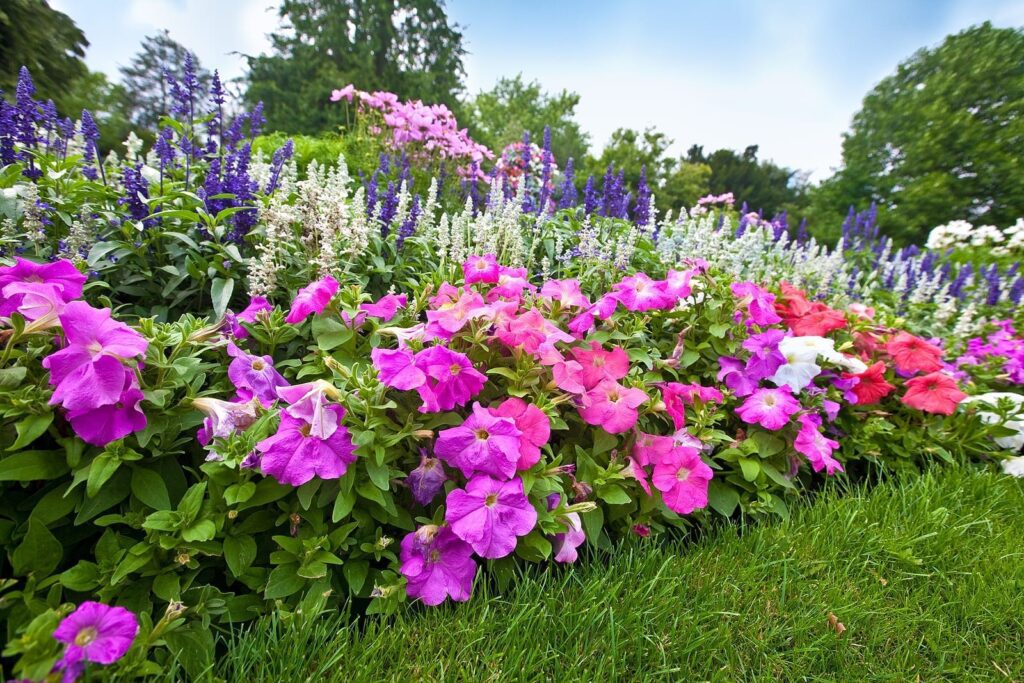
Learn the basics of gardening and discover that planting perennials in fall is actually the best time of year to garden.
Fall Perennial Planting
Spring isn’t the only season for planting perennials. There’s a good reason they have those sales in late fall at your local garden centers. For one thing, the plants are likely to be heavily discounted. But it’s not just the money that makes perennial planting in the fall a golden opportunity. The ground is moist and still warm, perfect for encouraging new roots to grow. Read on for more about plants and learn to identify your plant hardiness zone.
Dig in During Autumn
Autumn is, after all, when you are most likely to still remember, in vivid detail, your garden layout. You remember where that sad little spot could use a little something. And don’t forget that empty spot you discovered a month or two ago. Or that garden bed that could use some yellow somewhere. It’s time to do something about it.
How to Plant Perennials
Which Ones to Plant?
Fall, when it comes to planting your perennials, is very time-specific. In Zones 6 and 7, the weather begins to cool down towards the end of September, and there are still about six weeks before first fall frost. Now’s the time to get started on your fall plants. Plant earlier, if you can, in Zones 3 to 5. (Find out how plant zones work and what zone you are in).
You can, of course, plant perennials in Zones 8 to 11 all year around with no problems. (Yeah you, in South Carolina!) Early is always better, to give roots time to get settled, but any time is a fine time to plant perennials in Zones 8 to 11. Check for plant gardening mistakes to avoid.
At the tail end of the season, you may even be able to find drastic markdowns on plants past their prime. Most vendors will cut the price the moment their perennials quit blooming, and slash it even more after their plants begin looking weather-beaten. Look for perennials that are 50 percent off, or even 75 percent off. Remember: The longer you wait for bargains, the smaller the selection and less time you have to get plants established. Get more fall gardening tips here.
Transplanting Perennials from Containers
Snag a Bargain
And then there’s that part of the bargain area at the back, the really cheap part, the one that’s obviously cheap for a reason? Yep, the bargain bin. This is where you might, just might be able to score the ultimate bargain. The plants are often gross-looking. A lot of them are more dead than alive. But among them are the occasional plant that looks good, or at least not hopeless. If it’s bone stiff, generally speaking it’s dead, or at least has yellow leaves or dying leaves or foliage. But for a good price, why not grab it? If it has some green left on it and you’re pretty sure there’s no disease present, grab away. Perennials don’t need to be green to survive being put in the ground. Just a few green leaves are all that’s needed. Even the parts that are brown or yellow may still be alive, so when the roots wake up, the plants can.
Wait for frost
Frost is bad, isn’t it? Well, yeah, for the tops of your plants. The roots are another matter. Once your plants are in the ground, roots will continue to grow until the soil is as frozen as it’s likely to get, often weeks if not months after the first frost of the season. In most areas outside the far north or high altitudes, the ground doesn’t generally freeze until sometime after Thanksgiving.
Healthy roots for perennials
The soil in spring, when new perennial plants get put into the ground, is cold and not very friendly to little root systems. The soil in fall, however, is warm and roots grow quickly. Miracle-Gro also has those on their Mix with something called Moisture Control The fact that the plants won’t be expending energy to produce flowers means they’ll have extra to put into sending more of their root system out into the soil from their new plant home.
Take your fresh perennials home, plant them, tend the soil and water deeply. By the time growing season rolls around again, they’ll be in happy residence. Read more information about plant care.
Refresh New Plants
Once you’ve brought your bargain plants home for a long, thirst-quenching drink of water, set them in a tray or saucer to catch the water that runs through and give them some time to soak it all up. Then, from here on out, treat them like they were the healthiest plants in the world. As the weather cools and days shorten, the soil doesn’t have as much direct sun to heat it, and the plants won’t need as much water. They need good deep waterings to start, and you can cut back on how much you water as the weather cools. (Except if it’s not raining at all, in which case, give them a good drink every week or so until the ground freezes. We want those roots still growing down there.) Read how to winterize plants.
Get the Ground Ready for Winter
Wait until the ground freezes hard, then cover your perennials with a couple of inches of mulch — not to keep it from freezing (yeah, right) but to help it stay frozen. Roots that aren’t yet firmly in the soil can be “frost heaved” out of the ground with each freeze and thaw cycle, putting them at risk for being killed by the cold. Read more on winterizing gardens. Now that your garden mulch is in place, you’re done for the season. Even if one or two of your new perennials don’t make it, you’re probably still ahead of the game. Planting in the fall gives you a big head start on spring gardening and more free time when it’s time to work in the garden.